¿TE HA GUSTADO?
Suscríbete para no perderte ninguno de nuestros artículos aquí
by Ander Izagirre
The Leap into Cycling
Paco became friends with Mikel, who worked for Orquesta Mondragón’s record label and rode with the Zikuñagako Ama cycling club in Hernani. Paco bought himself a bike so he could join them—and to get a feel for this new world.
He paid close attention to what the club riders wore, but also their habits, what they needed from their kit, the fabrics and colours of those thick woollen jerseys that were stifling in summer and became like sponges in the rain. Cycling clothing, he realised, was stuck in the dark ages.

“In cycling we saw an opportunity to innovate,” Paco explains. “But that wasn’t the only reason we chose it. We’ve been weaned on Basque culture, and here cycling is something special. It has deep roots. We were interested in sport, health, environment. In the early ’80s environmental issues were becoming a hot topic—we even made anti-nuclear T-shirts,” he smiles. “We always saw cycling and bikes as part of the whole freedom movement of that time. We felt at home in that space.”
What does a bicycle have to do with freedom?
“Everything! You’re propelled by your own body, without damaging the environment. You can go wherever you like, even as a kid. For me it’s a wonderful feeling. You ride through the mountains, pass through villages, you see everything—and at the same time you’re in your own bubble. You’re free, alone, at one with the landscape, taking it all in in a very pure way. You can be as relaxed or focused as you like…”
“Paco always says you get to know people by how they behave on a bike,” María Jesús adds.
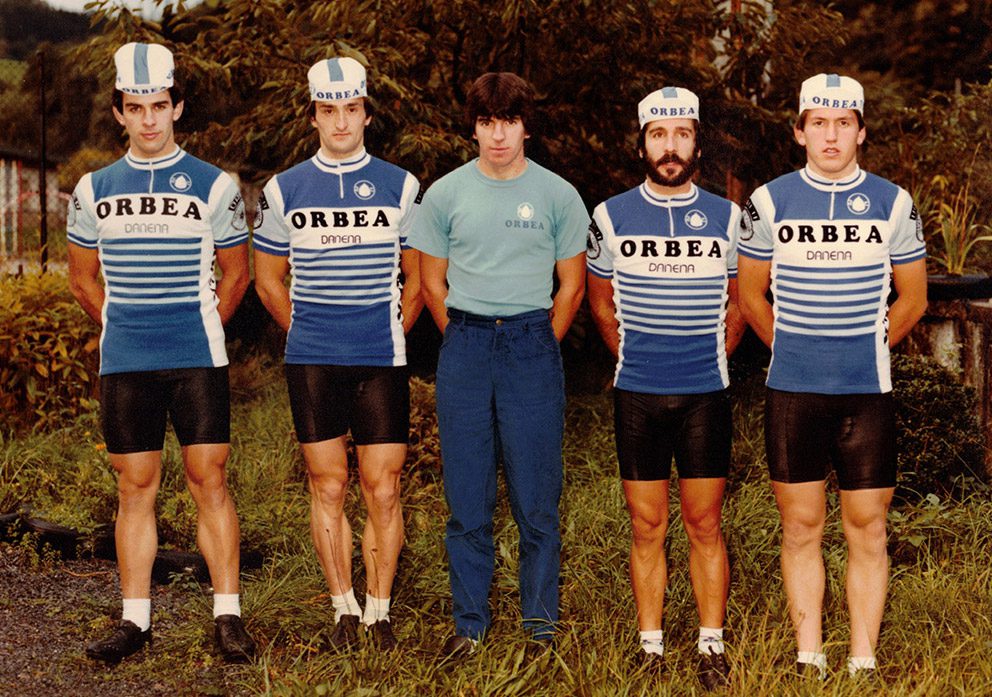
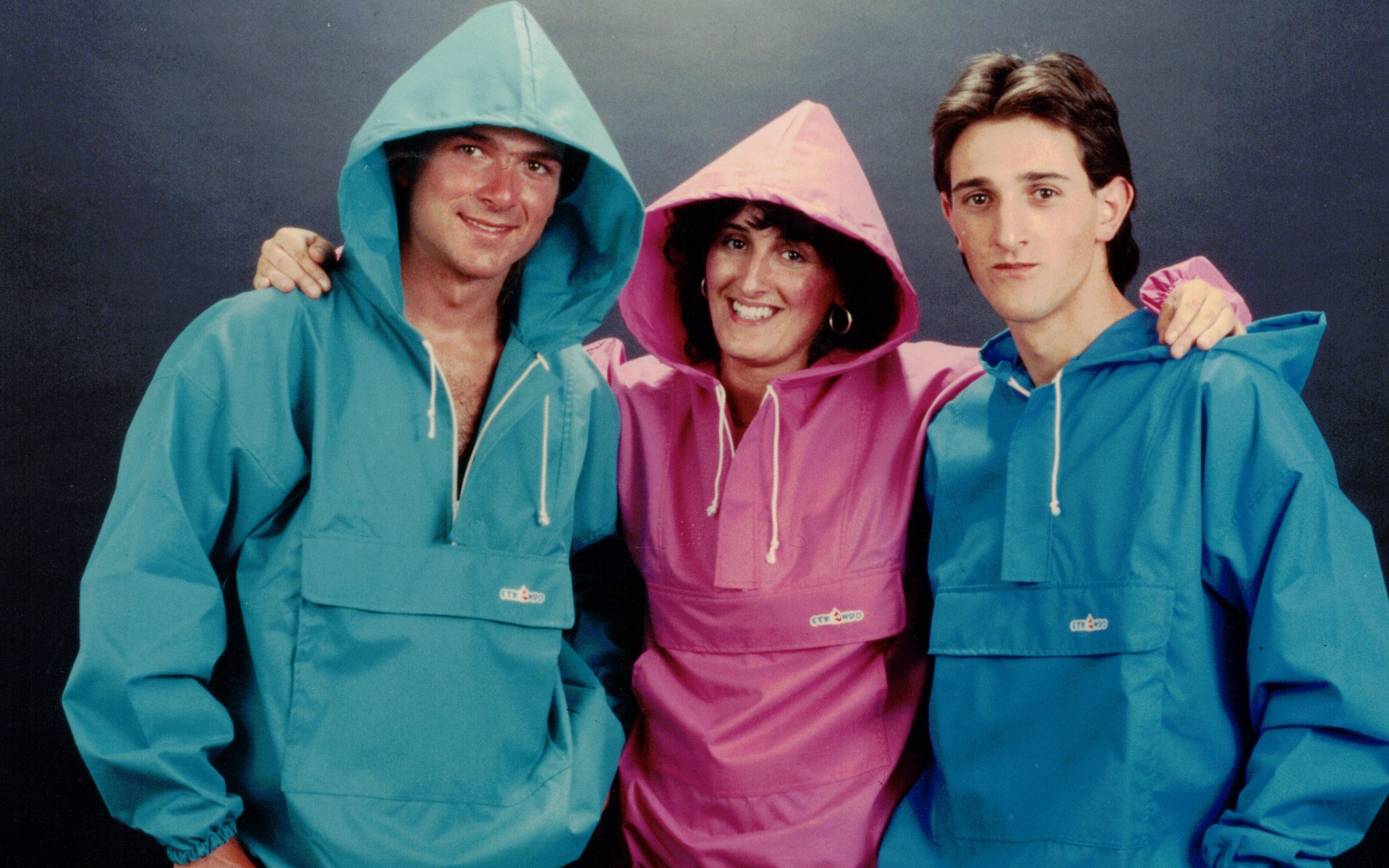
Their first, concerted step into cycling was the purchase of a knitting machine to make the woollen shorts and jerseys that were the uniform of that era. In 1979 they began supplying kit for Danena, an amateur team from nearby Zizurkil, and innovations and improvements soon followed.
“Jerseys back then were heavy, uncomfortable, they soaked through,” Paco says. “We knew about new materials—elastomers, polyamides, polyesters—and printing techniques that hadn’t yet made it into cycling.”


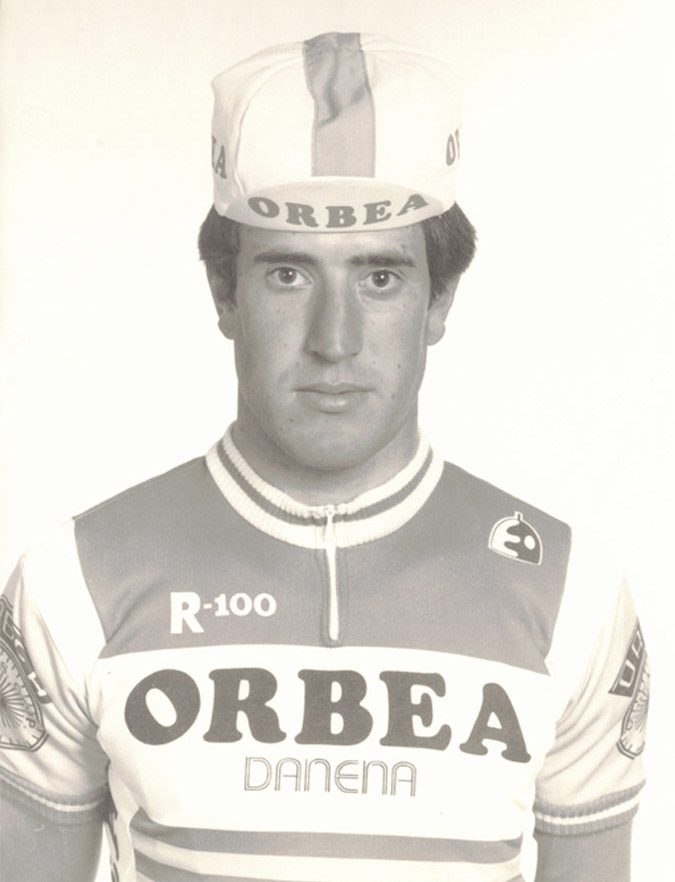
With Orbea-Danena, an amateur team that would eventually move up to the pro ranks, they tested lighter, stretchier, more aerodynamic jerseys and shorts.
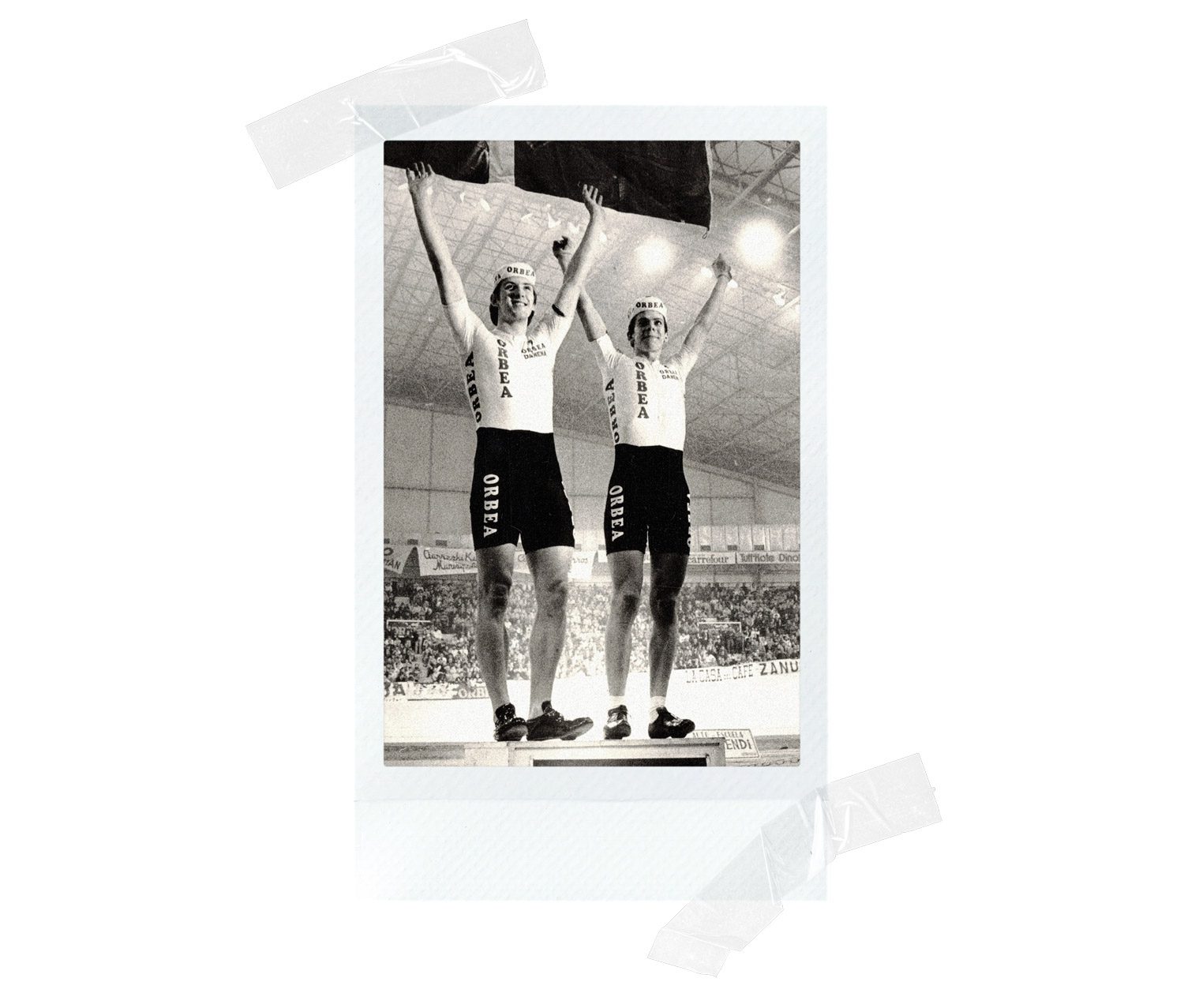
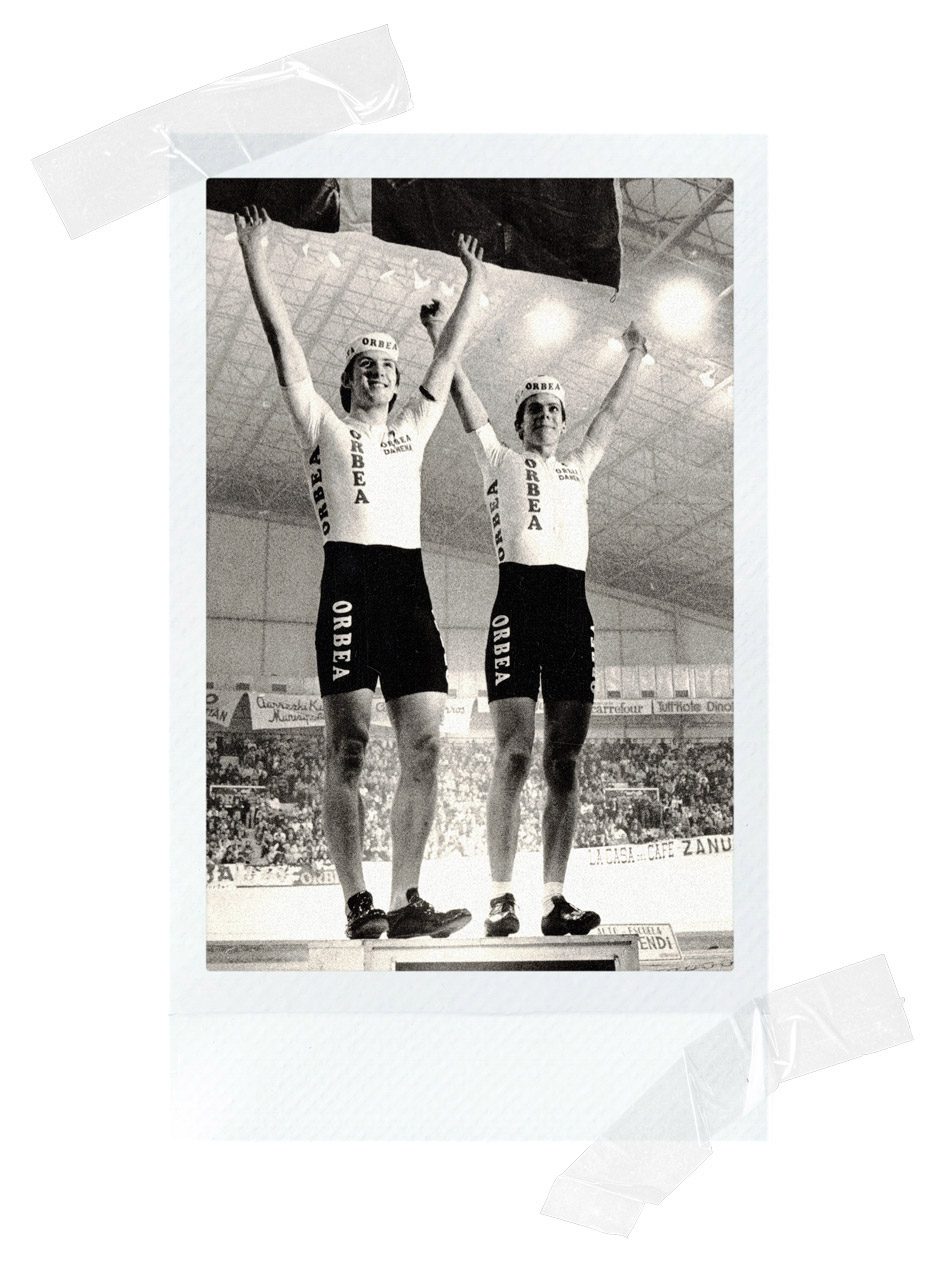
“We made skinsuits for Cabestany and Lekuona for track racing, and they won the Six Hours of Euskadi against professional pairs from several countries. That was a huge moment for us.”
“We were one of the few pairs riding in skinsuits,” recalls Peio Ruiz Cabestany—a stage winner at the Tour and Vuelta, winner of the Tour of the Basque Country, and riding for Orbea-Danena at the time. “We were still amateurs, but Etxeondo dressed us in kit the pros weren’t even using yet. Paco was always experimenting with fabrics, creating new pieces, using trial and error. Sometimes it was error,” he laughs. “But he’d convince you. He’d put a cap on you because it improved aerodynamics, because it had tested well in the wind tunnel—and you’d head out with a technical edge and, above all, a psychological one. You believed you had the best kit, that you were going to be faster than everyone else.”
“I grew up with Etxeondo and constant innovation. I signed up for every new idea. The older riders couldn’t believe it. We’d roll onto the track in a full black skinsuit that covered even our hands, with our names in yellow on the back and a black Lycra cover over the helmet… Paco did whatever he wanted—and I was always up for it.”


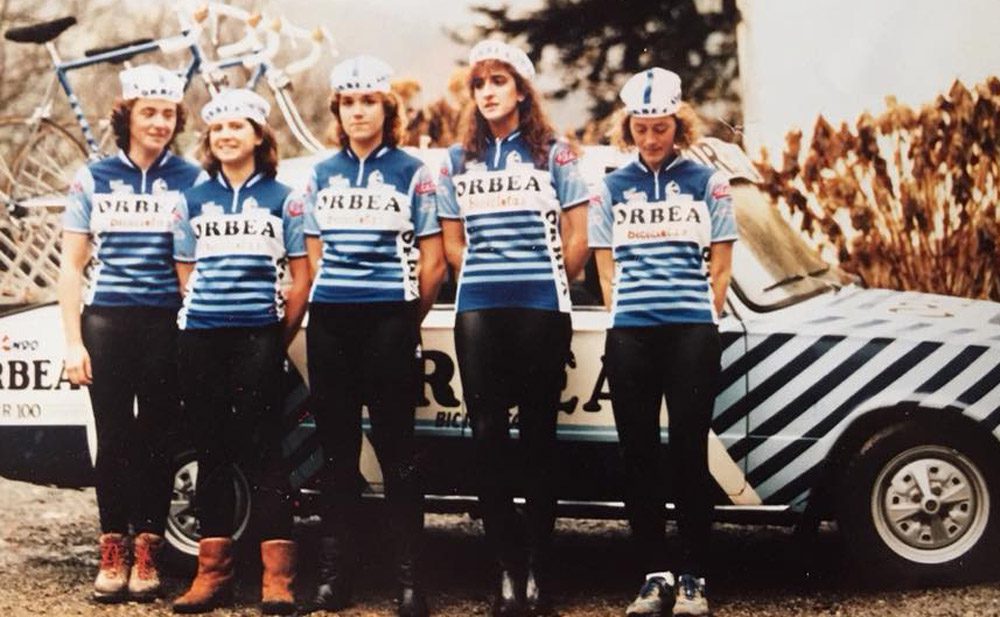
Etxeondo also played a role in Spain’s first women’s professional cycling team, Orbea, in 1985.
“Up until then we rode around in tracksuits—can you imagine?” says Arantxa Orbegozo from Tolosa, one of the five pioneers alongside Amaia Elosegi, Josune Gorostidi, Carolina Sagarmendi and Dina Bilbao, all between 17 and 24 at the time. “One day we were told to come to the Etxeondo factory to pick up our kit. We were amazed to see ourselves dressed like proper cyclists, in the same clothing as the professionals. But we were also embarrassed to pull on those tight shorts, with a thick chamois that made a very noticeable bulge. The jerseys were tight across the chest and loose around the waist. There was no women’s kit—just men’s. And we had no idea journalists would be there. They took photos of us dressed as cyclists—one in hiking boots, another in sheepskin boots, another in street shoes. We looked a right state when we saw ourselves in the paper.”
Ainhoa Artolazabal, one of the next generation—a two-time Spanish champion and member of the Spanish national team in World Championships and the Olympics in Barcelona—remembers her first cycling shorts.

“There were three of us sisters who raced. When we were kids, our father would take us from Tolosa to Hondarribia for the day by bike. Proper cycling shorts were expensive, so we made do with athletics shorts. All the way to Hondarribia in those little things… brutal. One day our father took us to Villabona, to the Etxeondo farmhouse, and we bought our first real cycling shorts. They were still wool in those days.”
When she travelled to races, Artolazabal says, one item was never missing from her luggage.
“A tin of Nivea. The chamois pads were natural leather—hard and rough. We had to soften them with cream, because the chafing was torture.”
“We used to call Paco ‘Paco Chamois’,” Cabestany laughs, “because he was obsessed with them. Always testing them, always improving them. He made the first synthetic chamois, and things improved drastically after that.”
Much of the suffering endured by those pioneering women came not from the brutal gradients of the Basque climbs but spending hours sat on bikes designed for men, on saddles designed for men, wearing clothing designed for men.
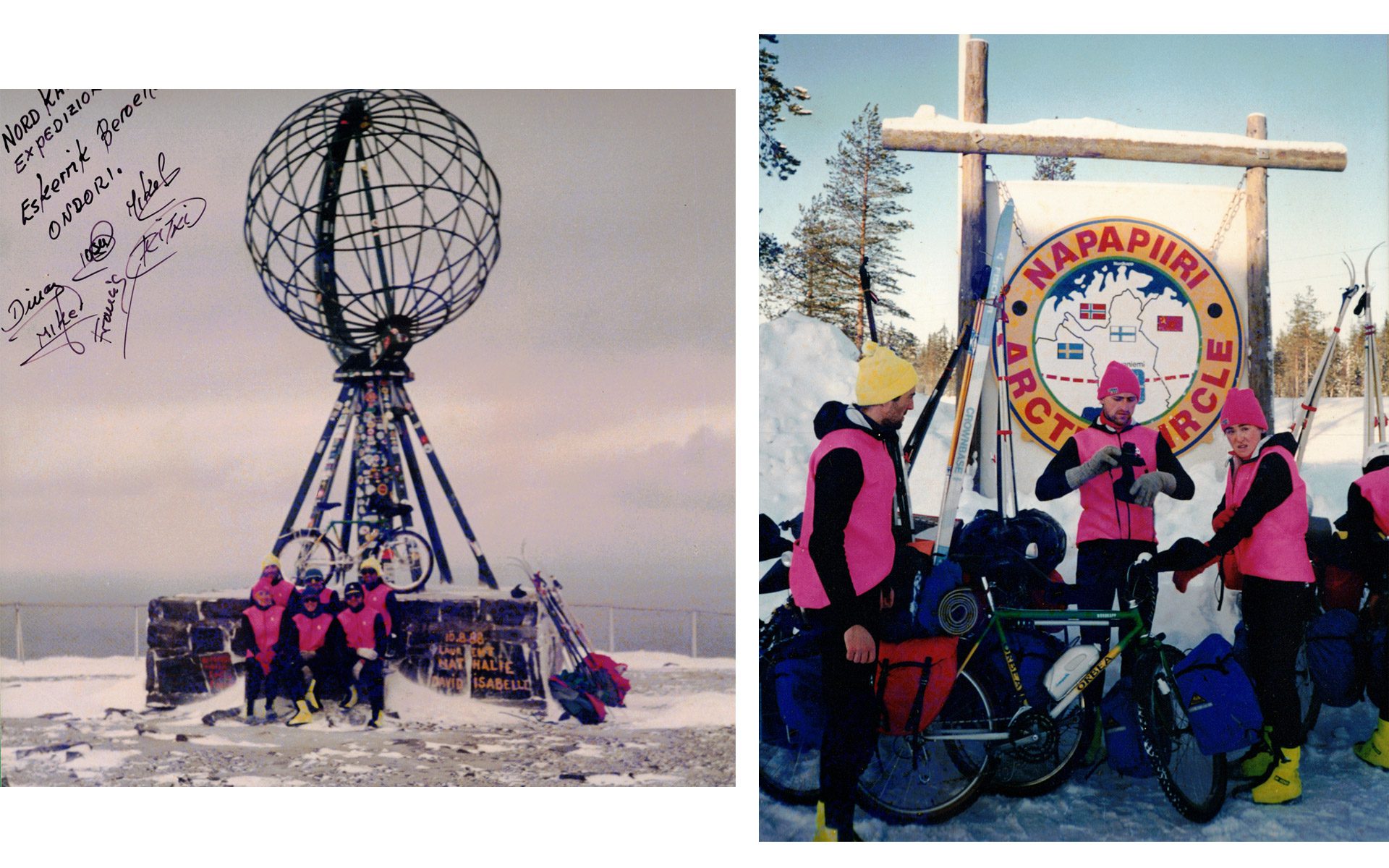
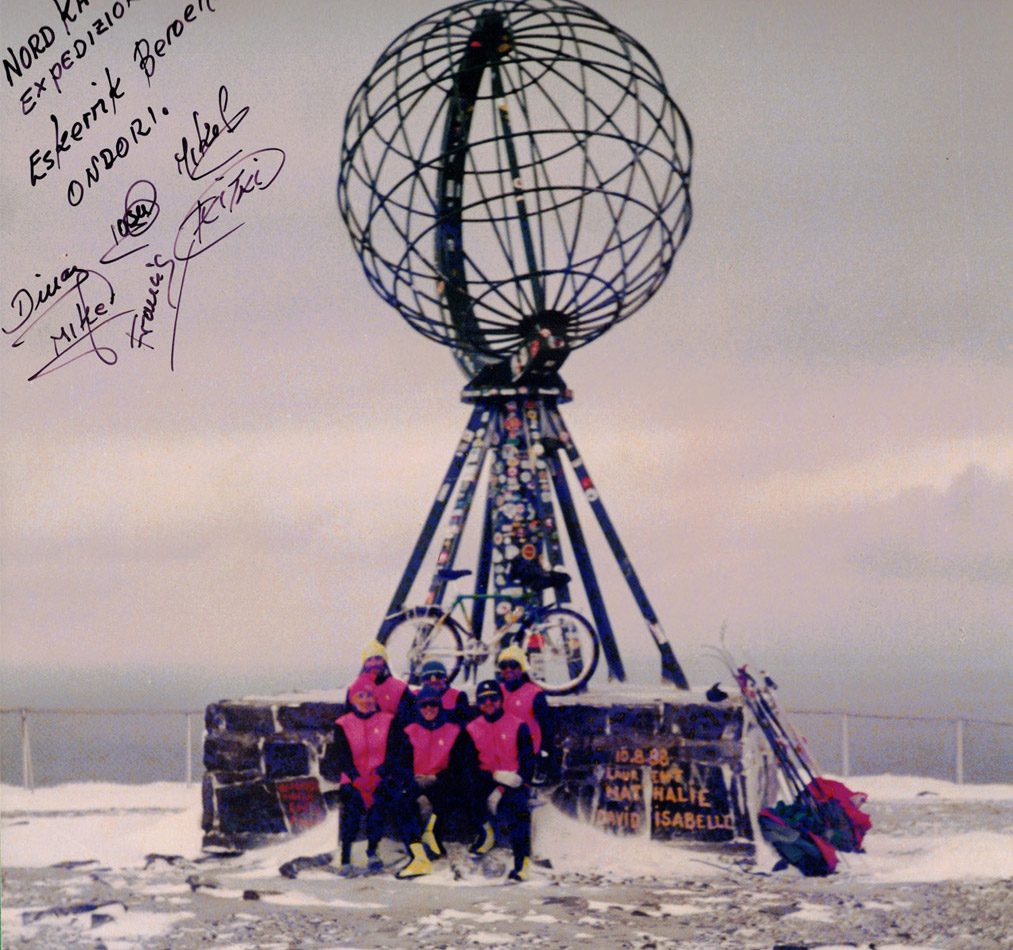
“You can’t imagine how many problems we had with boils and sores,” Orbegozo says. Four decades later she still rides, happily with saddles and shorts finally designed for women. “The clothing has improved enormously. Paco always helped us—during the Orbea years and later too, when he supplied kit for our winter expeditions by kayak or bike in Lapland. Back then, for the cold, we’d wear five layers of shirts and jerseys, two pairs of shorts over long tights—we looked like onions. Now you put on one thermal base layer under your jersey and you’re warm. It’s incredible.”
In recent years those Orbea pioneers have been honoured at events like the Clásica de San Sebastián and major sportive rides in Segovia and Ordizia.
“It really surprised me,” Orbegozo says. “We spent our whole youth hearing, ‘Shouldn’t you be working? Shouldn’t you be having children?’ People looked at us like we were mad. And then, thirty years later, we’re being paraded everywhere as role models. It moved me deeply when Leire Olaberria said that without us as role models she wouldn’t have become a cyclist.”


Onto the Tour Podium
In 1982, fired by his obsession with constantly refining and improving his kit, Paco bought what he calls “the best camera available” and travelled with Javier Mínguez’s Zor team to the Giro d’Italia to spy on the Italian, French, Swiss and Dutch teams—and more importantly on what they were wearing.
He returned home with a clear and comforting conclusion: “We weren’t behind the rest of Europe.”
As Etxeondo began expanding into new markets, certain buyers and distributors were sometimes diffident, or at least circumspect.


“In those years, with the political climate so tense, any Basque name sounded vaguely suspicious,” Paco recalls. “And what a name—Etxeondo! Some even thought the finish-line logo looked a bit provincial. ‘Why are you putting this turd here?’ someone asked me once. But I always thought: why not? That’s always been my catchphrase—why not? Things that seem inappropriate to others can make perfect sense to us. From a marketing standpoint, it might have been smarter to choose an English name and a little bird as a logo. But Etxeondo was us. It was the farmhouse where we had worked and created so much. It was our passion. We believed in it—so we went ahead.”
“There was no marketing plan, nothing like that,” María Jesús smiles. “It was our life. And life felt much more beautiful that way.”

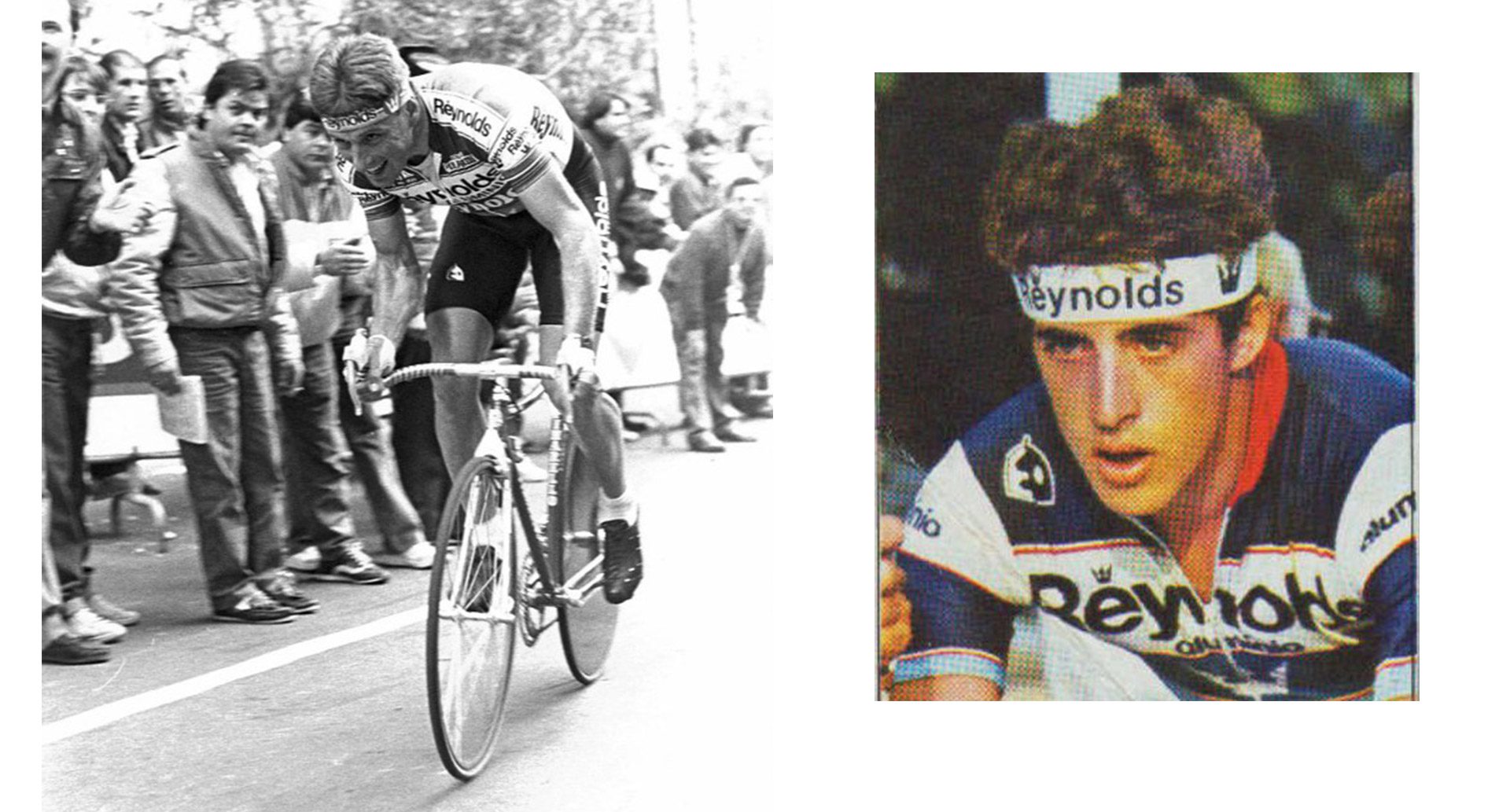
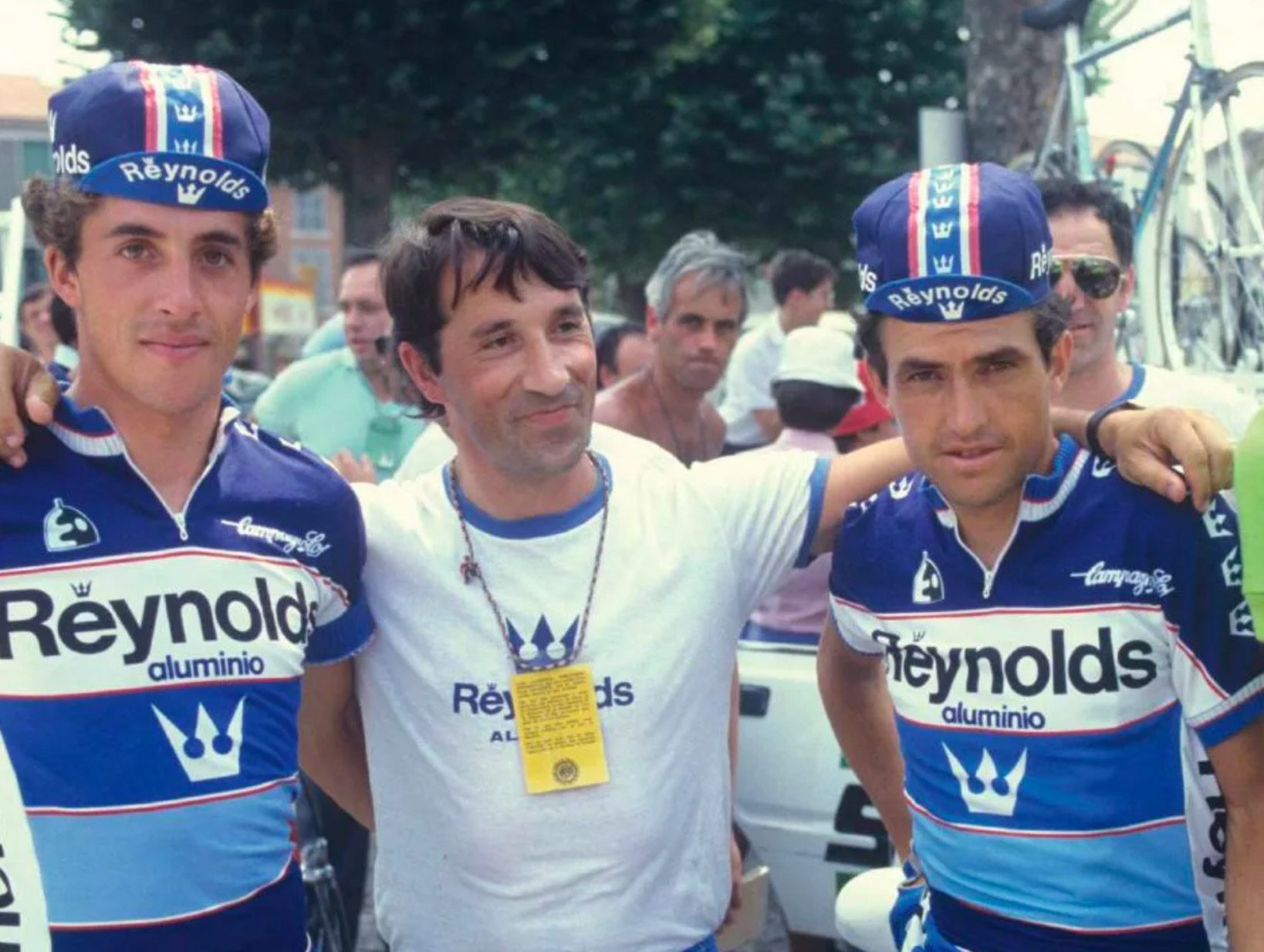
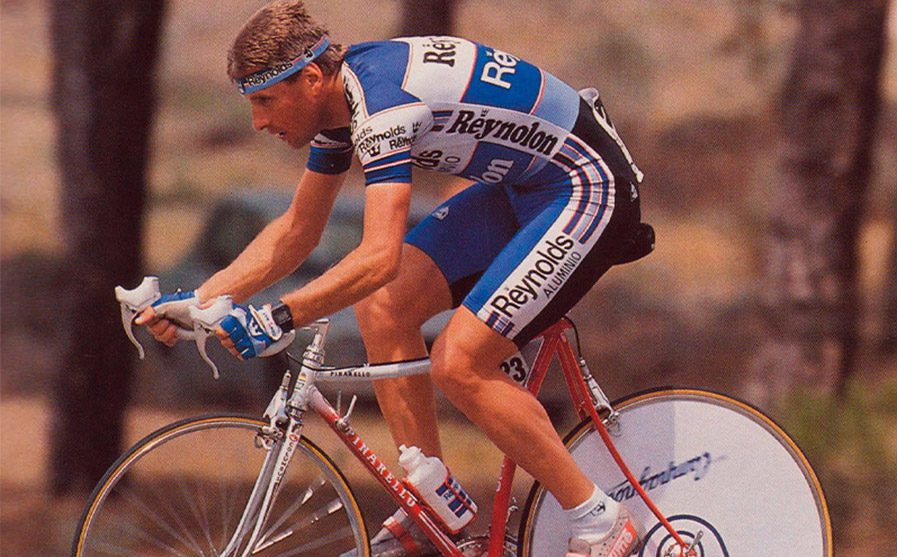
The big international leap came in 1983, when Etxeondo first supplied two professional teams: Zor and Reynolds.
“Spanish cycling had come through a bad drought,” Paco says. “Since the days of Kas and Fagor, no real stars had emerged. It was a grey era. There was very little ambition and a general inferiority complex. Teams rarely raced outside Spain. And their clothing had stagnated too.”
In 1983, everything changed. For the first time, the Vuelta a España was broadcast live on television, with huge success. Sponsors arrived, budgets grew, salaries increased, investment in equipment surged—and above all, mentalities shifted.
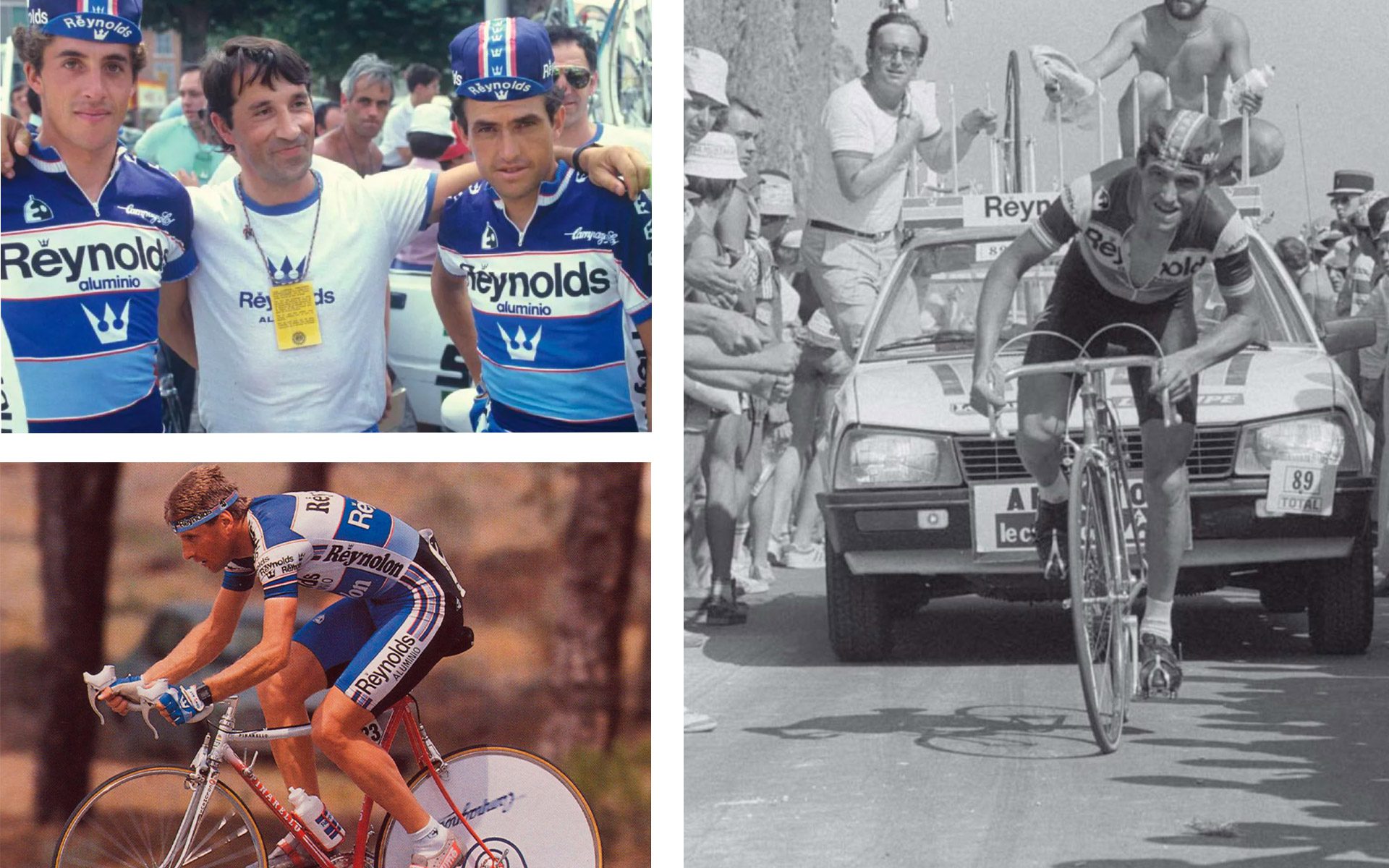
Reynolds was a young team led by Paco’s friend José Miguel Echávarri and captained by Ángel Arroyo, Pedro Delgado, Julián Gorospe and José Luis Laguía. They blazed fearlessly into the Tour de France.
“They had ambition and open minds,” Paco says. “We changed their clothing—moving from wool to Lycra. We developed the fabrics, ran endless tests, convinced the directors and the riders. It wasn’t easy. Some of the older guys resisted; they felt protected in wool. Lycra felt strange—tight, light, almost naked. They thought they’d be cold.”

Paco remembers the day they tested lightweight shorts with a thinner chamois, for which some riders didn’t hide their distaste. Fortunately Paco had found an ally and supporter in Arroyo.
“Paco, don’t listen to them. These shorts are bloody brilliant. Keep going.”
Arroyo, Paco says, never backed down on or off the bike—he was hard, clear-minded and fearless. Younger riders would generally take more risks in races and were more open to experimenting with clothing and equipment, even when older team-mates sniggered and sneered. Sweat-absorbent headbands were one accessory that clearly divided young and old.
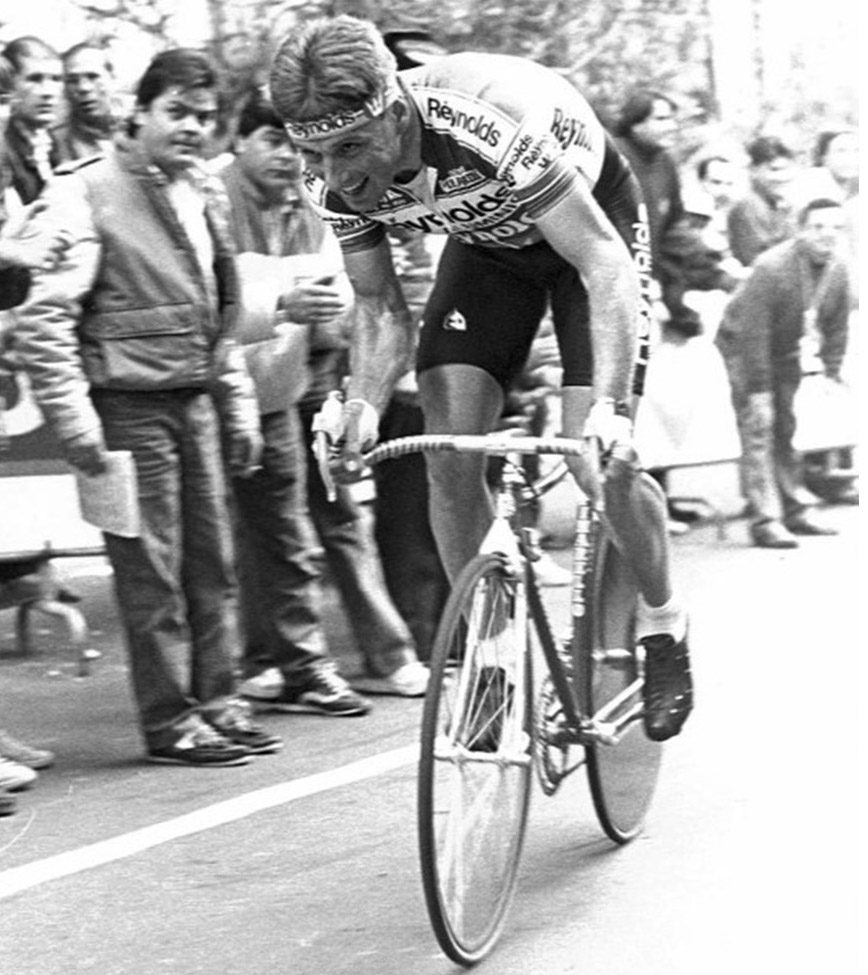
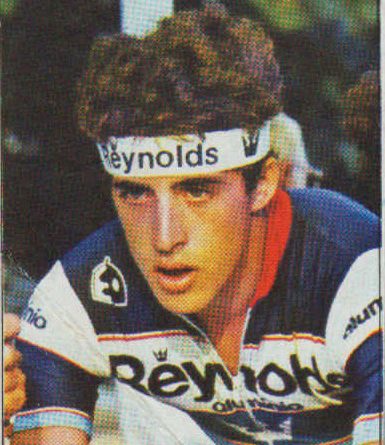
“Gorospe liked to look sharp. He loved the headband—it was modern, practical, and it also looked good. Gorospe wore it, Delgado wore it, they showed up wearing them on TV… and suddenly every amateur rider wanted one. We sold headbands by the thousands. I added a strip we could print on, to personalise them with our logo and the team’s.”
Or the aerodynamic time-trial cap—borrowed from swimming—which in later years would be worn by riders such as Cabestany and Miguel Induráin.


“I lived for cycling,” Cabestany says. “Training well, eating well, sleeping well. And I realised Paco operated the same way in his world. He lived for Etxeondo—finding the best materials, making the best garments. He behaved like an elite athlete, just focused on clothing. He was obsessed with perfection. He wouldn’t allow a jersey to crease or wrinkle.”
“Staying true to his own principles mattered enormously to him. One of the world’s biggest sportswear brands made him an incredible offer to manufacture for them. It would have set him up for life. But he chose to stick with his own project. I remember him telling me: ‘If one day things go badly and I have to make a living collecting snails, I’ll collect snails. But I’m keeping my project.’”


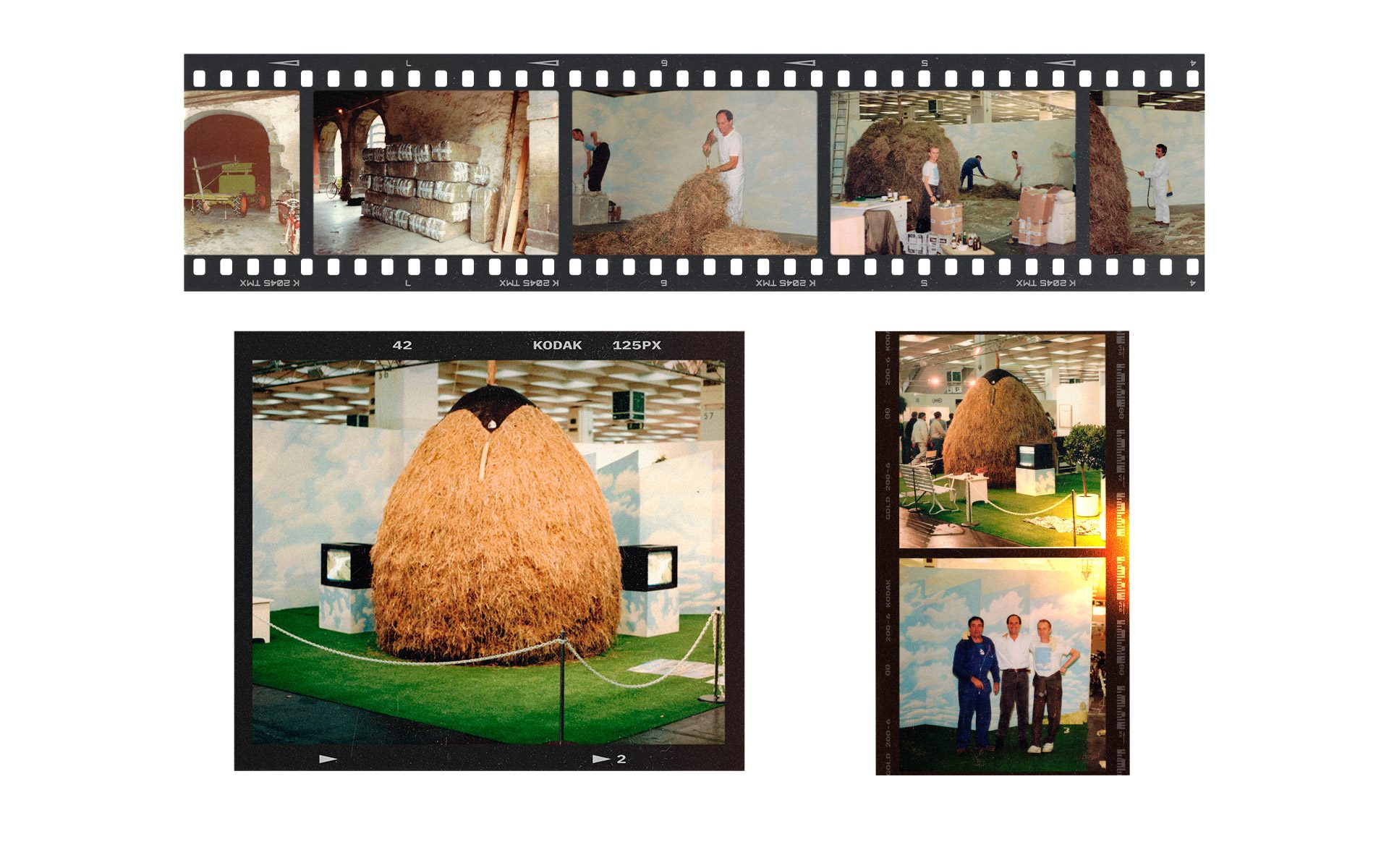
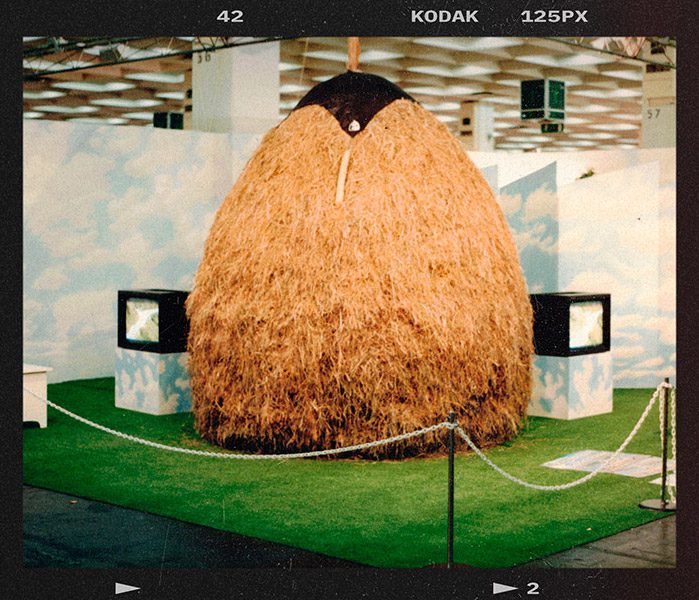
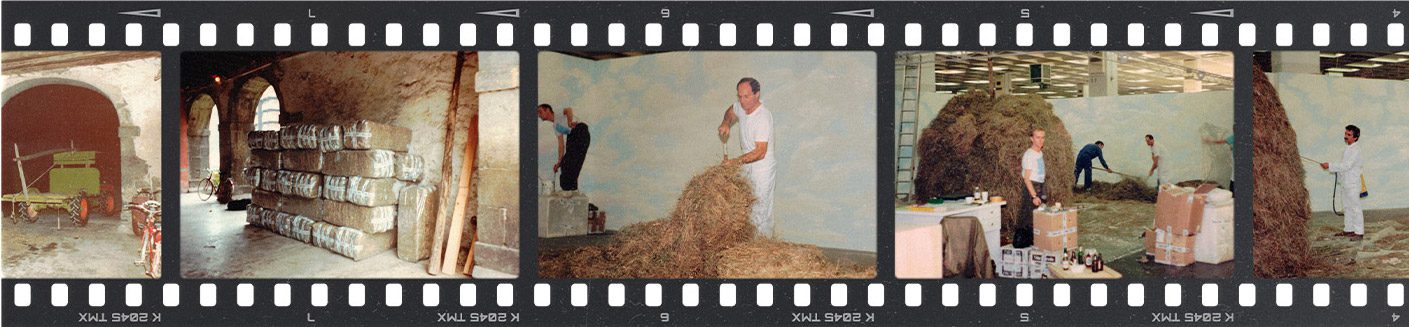
Cabestany laughs recalling how Etxeondo once set up a giant haystack as a finish line at the Frankfurt trade fair. The brand was expanding worldwide—yet always proudly displaying its farmhouse roots.
The Etxeondo logo premiered at the Tour in 1983—and Reynolds ensured it wouldn’t pass unnoticed. Arroyo won the Puy de Dôme time trial and finished second in Paris behind Fignon. Delgado stunned the world with his fearless descents and three second places in mountain stages. Some of the company’s innovations—on clothing and even footwear—raised eyebrows. Reynolds riders wore white shoes in certain mountain stages because they absorbed less heat than black ones, and were fined repeatedly by the Tour’s traditionally conservative organisers, who even regulated shoe colour.
Years later, Etxeondo would fight other battles—such as defending Kas team’s right to wear yellow when the Tour effectively claimed the colour belonged to them and their leader’s jersey alone.

The Zor team had been no slouches at the 1983 Giro either: they won the team classification, with Alberto Fernández taking two stage victories and finishing third overall, behind Beppe Saronni and Roberto Visentini.
“All of a sudden we were up there with the best teams in the world,” says Paco.
And from this realization came his next challenge: “To give them the best clothing in the world, of course.”
Suscríbete para no perderte ninguno de nuestros artículos aquí
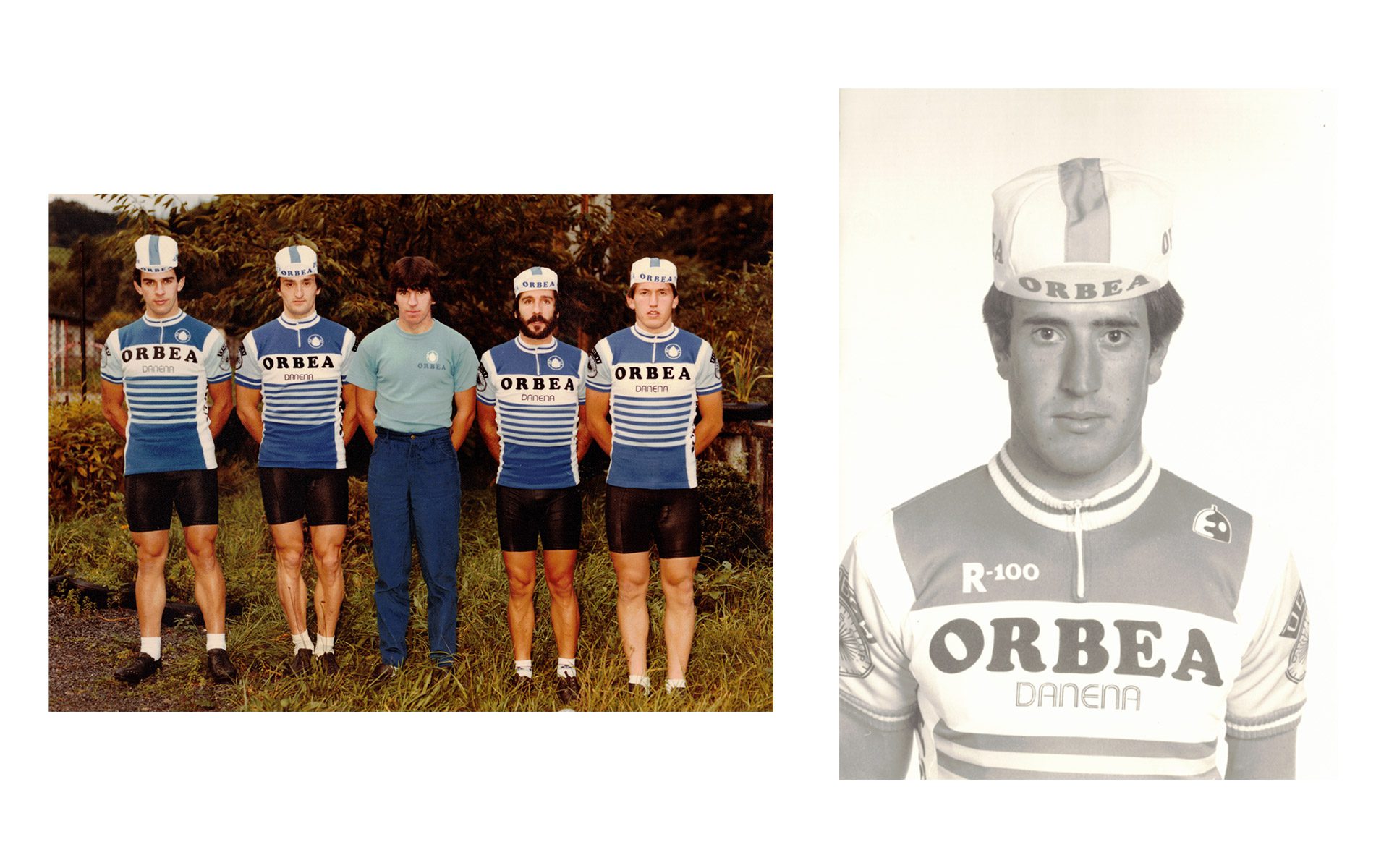
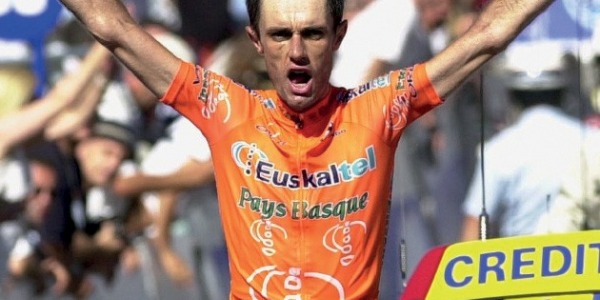
While expanding internationally, Etxeondo also took care to maintain and nourish its deep roots in its home region, supporting the growth of teams such as Kern Pharma and the new Euskaltel-Euskadi. In 2026 the company celebrates its fiftieth anniversary while ushering in a new phase in the company’s history and renewing its commitment to sustainable growth, a strong historical identity and the enduring quality of its cycling kit.
New garments, technical innovations and a renewed vision in the year we celebrate our 50th anniversary
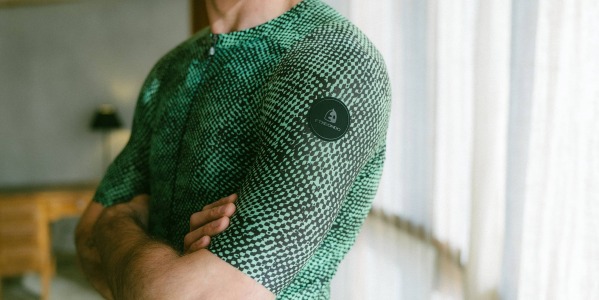
Inspired by a handmade print created more than 40 years ago
Unprecedented innovation, performance and comfort
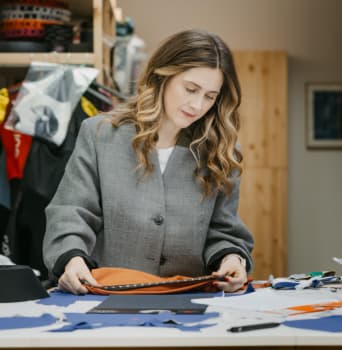
Every new Etxeondo collection is the result of a meticulous process, where tradition and innovation converge in perfect harmony.
Every line, every curve, blends seamlessly with the urban landscape, becoming an integral part of the environment that technology and design have helped to redefine.
Comments (0)