Inloggen

The 2000s: From the pro peloton to cycling couture

by Ander Izagirre. 

Los 2000: De vestir equipos a crear una moda de autor

por Ander Izagirre. 

“We didn’t want to end up like the blacksmith of Quintanapalla,” says Paco Rodrigo.

“The blacksmith of Quintanapalla? What happened to him?”

“Well, he hammered and hammered and hammered — until he couldn’t even remember what he was supposed to be forging,” he laughs.

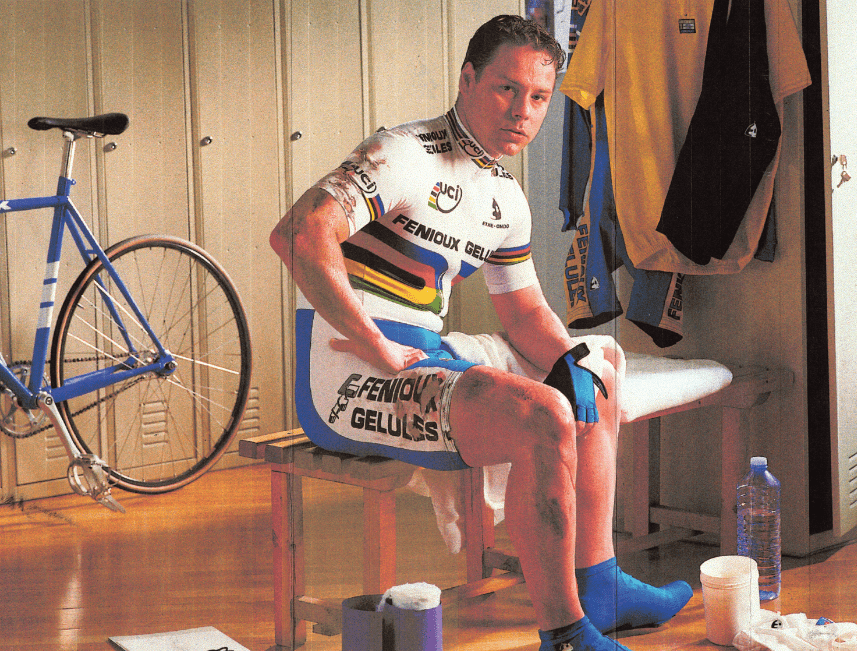
Paco Rodrigo and María Jesús Uranga, the founders of Etxeondo, had already spent twenty years immersed in cycling. Through the 1980s and 90s they had devoted their lives to providing kit for some of the leading professional teams — Reynolds, Zor, Orbea, ONCE — earning a reputation for the elegance and technical excellence of their jerseys, bib shorts, base layers and winter kit. But by the end of the 1990s, when they stopped putting their name on ONCE’s jerseys, a new urge took them. It was time to design jerseys not for ONCE or some other pro team sponsor but for themselves, the Etxeondo brand.

“There wasn’t really a cycling fashion culture here,” says María Jesús. “In other European countries that existed, but in Spain no one had taken that step. Until then we sold team kit and some of our own basics — plain jerseys, plain bib shorts, capes, essentials. I’ve always been interested in design. And it felt like the right moment to create proper collections, our own cycling line.”

Finding inspiration, being creative were the easy parts. The difficult bit was selling. The company lived or died by what it sold.

“That was the challenge at the beginning,” she continues. “We worked hard on the designs, we created genuinely high-end garments — and that pushed the prices up. Because it’s not just aesthetics. This is cycling clothing: it has to be technically excellent, comfortable, light, durable, protective against cold, rain, heat… It’s not enough to look good. We were designing at a higher level, both aesthetically and technically. We were almost designing “signature” products. We had examples from European brands with recognisable, prestigious in-house designs — they were more expensive, yes, but they sold because people could see the value. So we made the leap.”

What followed was a commercial battle. Etxeondo had to persuade retailers that these slightly more expensive garments would sell — because they were better.

“It worked brilliantly from the start,” María Jesús recalls. “A lot of buyers changed their mindset as soon as we offered something different. Until then they were content with basic jerseys or team kit. Shops were used to selling that without much thought. But customers immediately appreciated garments with superior design and quality. Breathable, thermoregulating, comfortable, durable — they realised it was worth spending a little more.”

Spain itself was changing. More people were taking up sport — cycling in particular — and they wanted better equipment.

“We were in a strong position to respond,” says Paco. “We’d spent years supplying the best professional teams. That gave us a certain prestige and reputation. We understood the market, the suppliers, the latest developments in fabrics. We adapted our production structure to make what we wanted. We had the capacity — what we needed was the time to think clearly. In other words, not to become like the blacksmith of Quintanapalla.”

New cycling, new garments

Those first collections were unfussy, almost austere. 

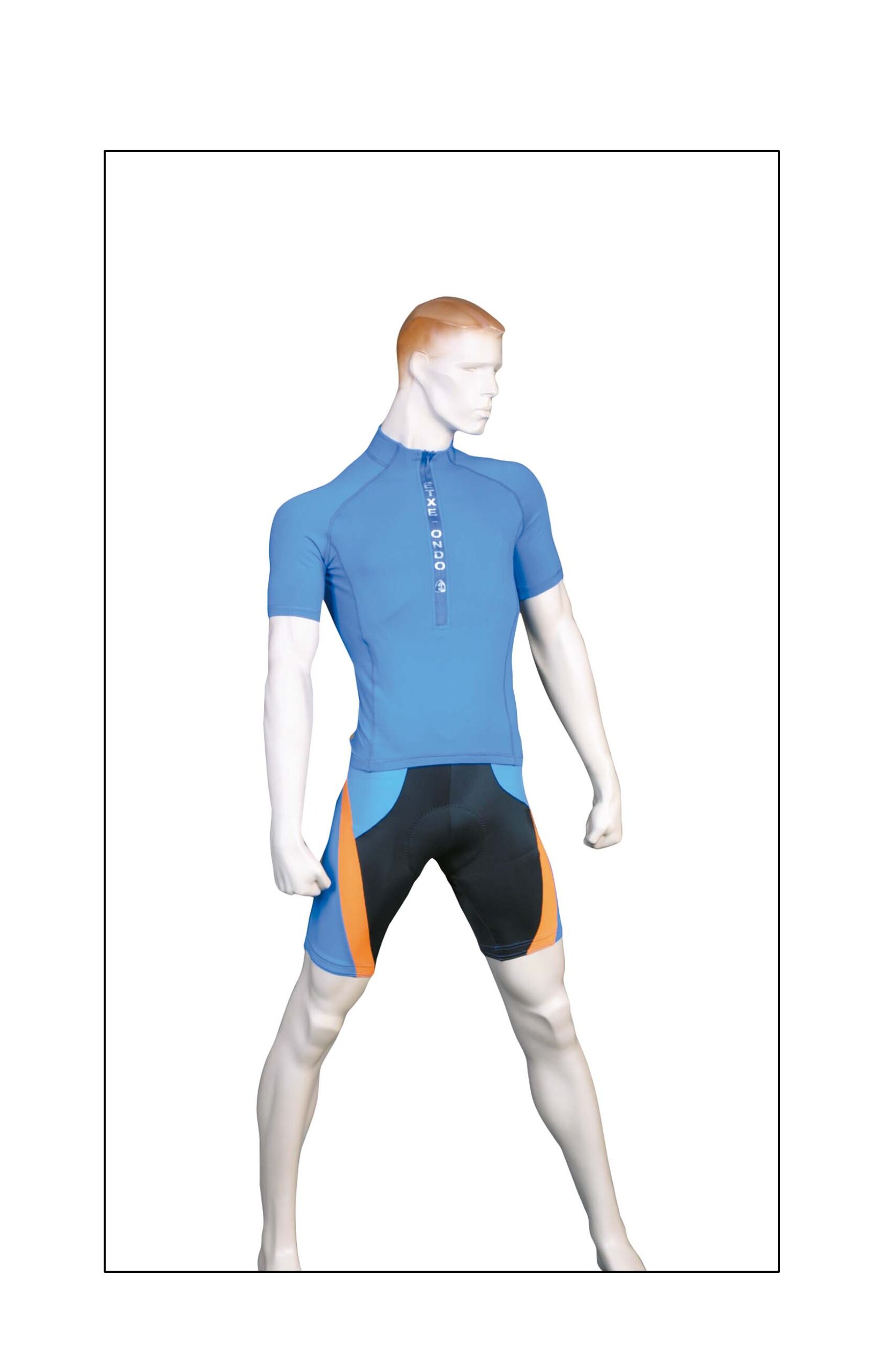
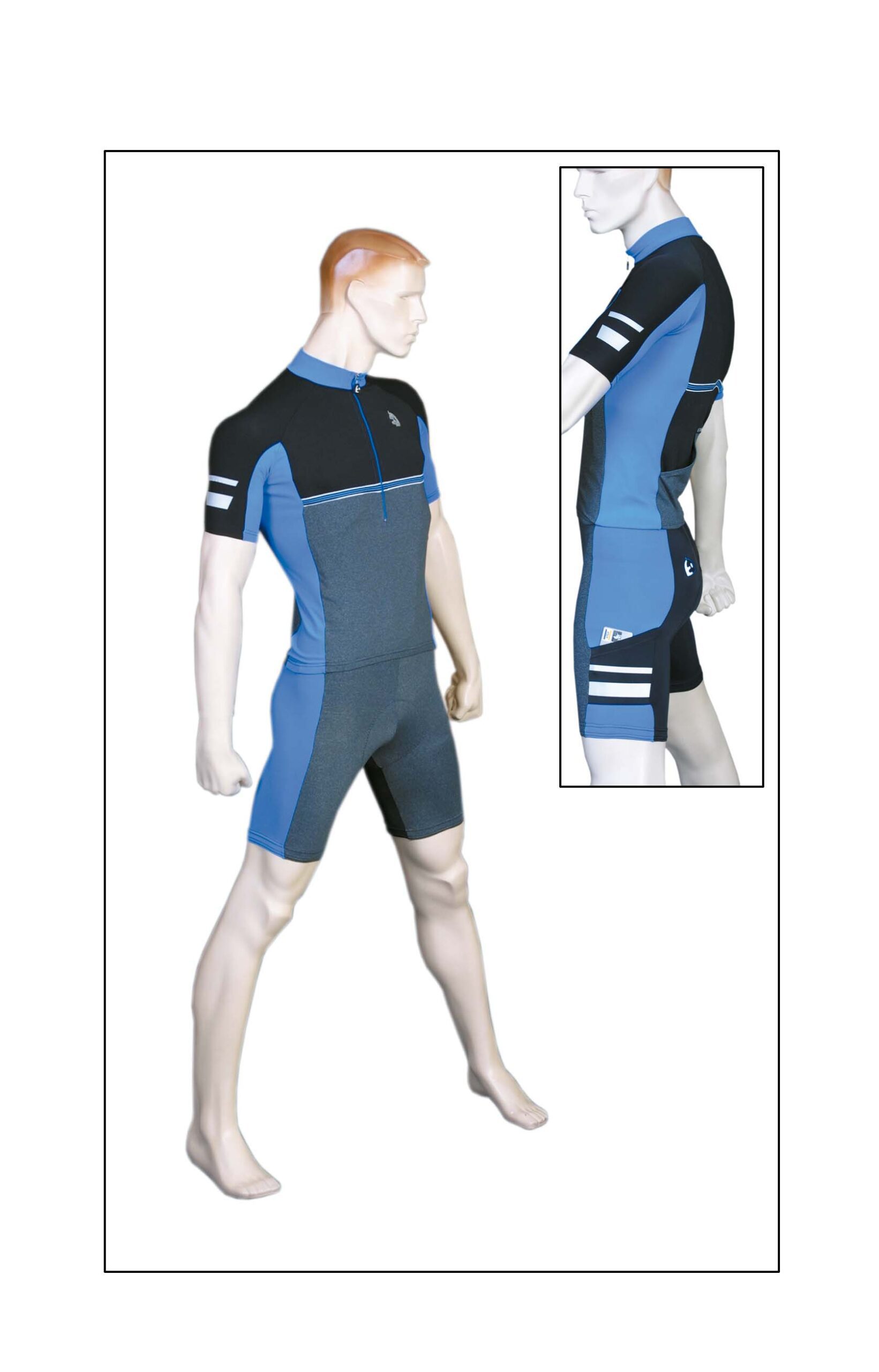
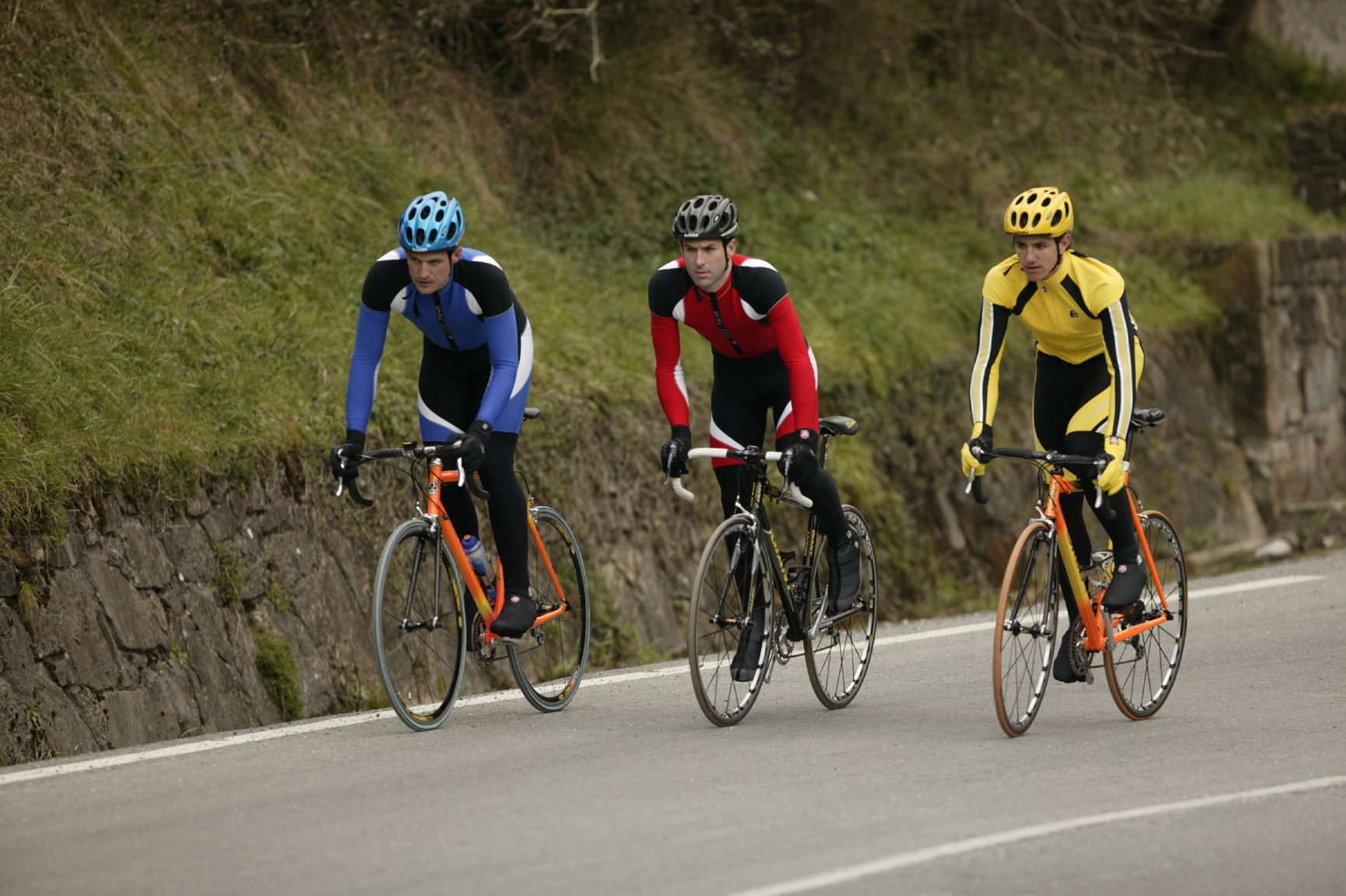
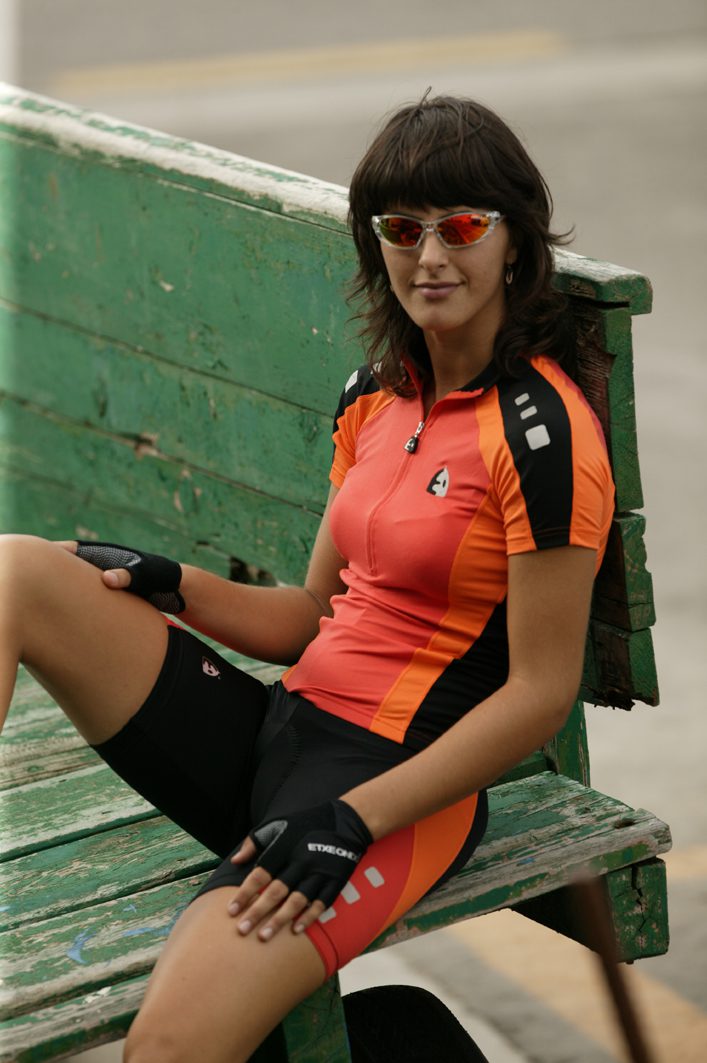
“We designed solid-colour jerseys, with small details — zigzags, subtle overlays,” says María Jesús. “I remember a black jersey with a red panel at the collar. No one had ever seen a black jersey! Our sales reps were nervous: ‘How on earth are we going to sell this?’ It was a huge success. We started with a minimalist approach.”

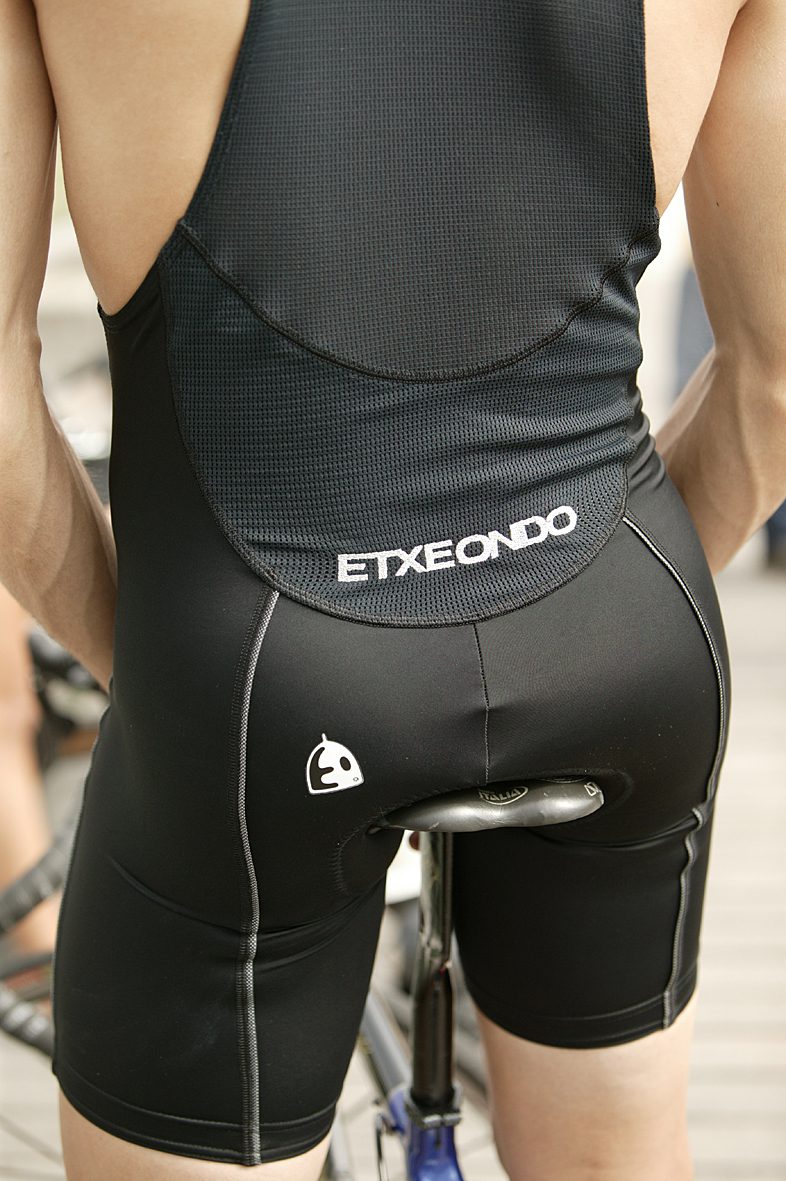
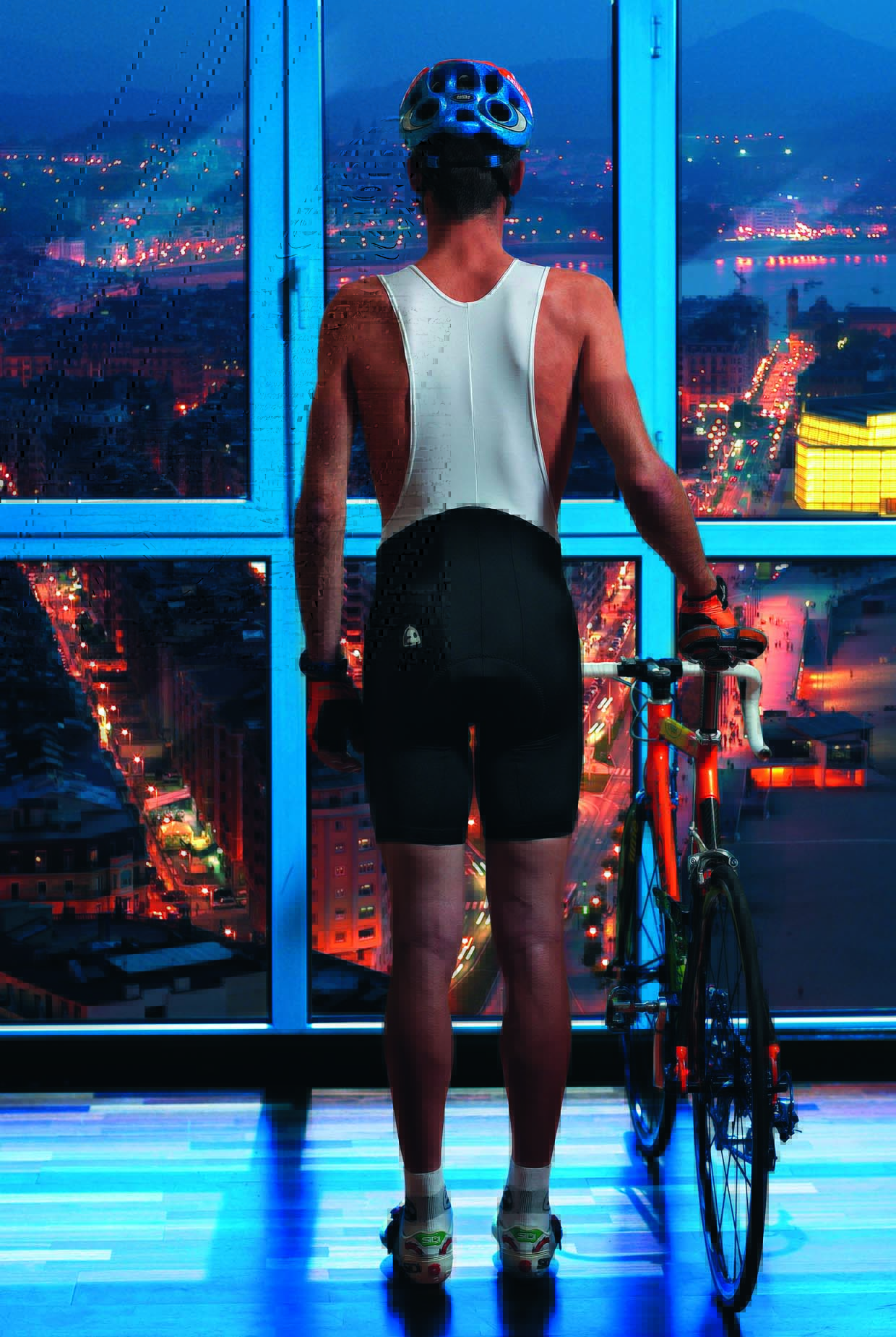
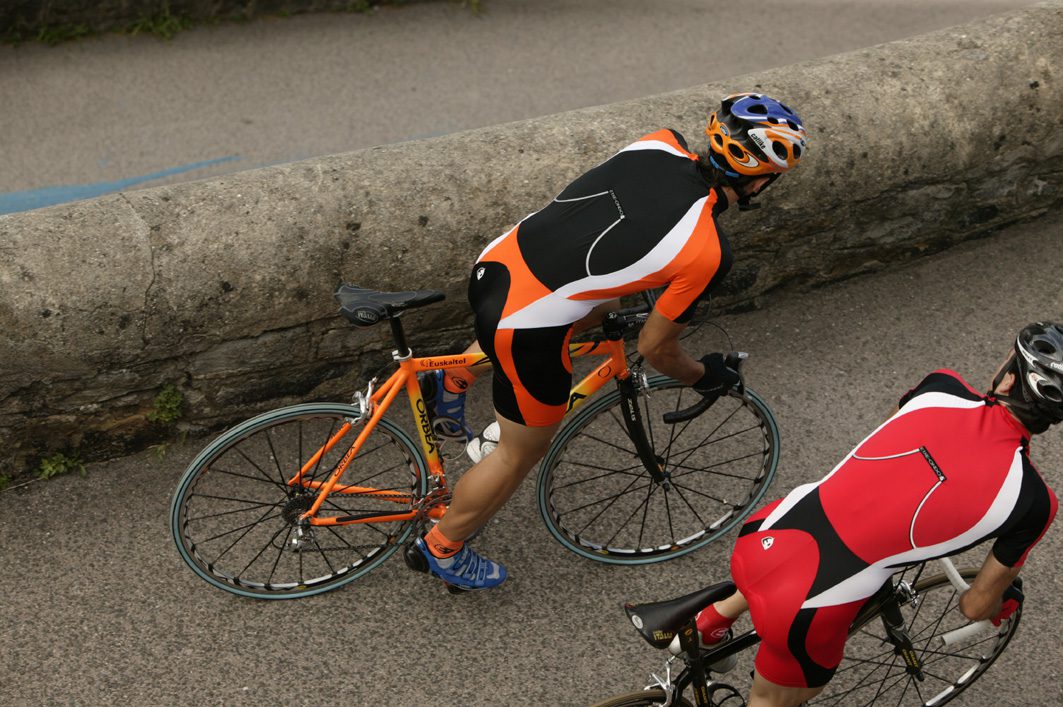
They took classic Etxeondo pieces and adapted them. The Olímpico bib short — glossy black Lycra, multiple panels, highly anatomical — had sold steadily since the 1980s. Its successor, the Dinámico, reduced the construction to just two panels to eliminate seams. Then came the colour: white bibs, red, blue, printed designs.

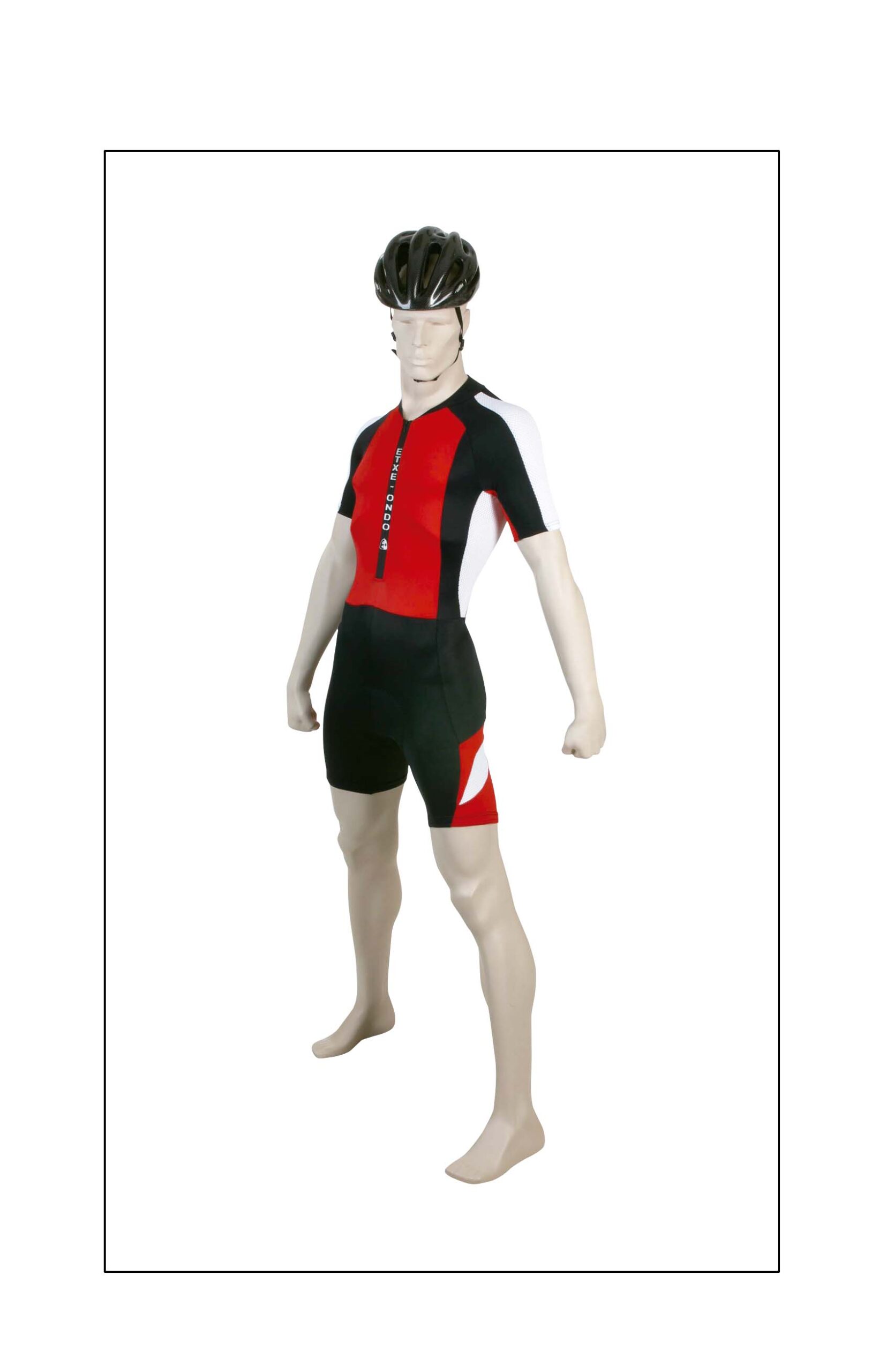
“Coloured and printed bib shorts were a major shift,” says María Jesús. “The Italians were doing them too — with reflective elements and everything. Not often has there been so much experimentation in cycling fashion.”

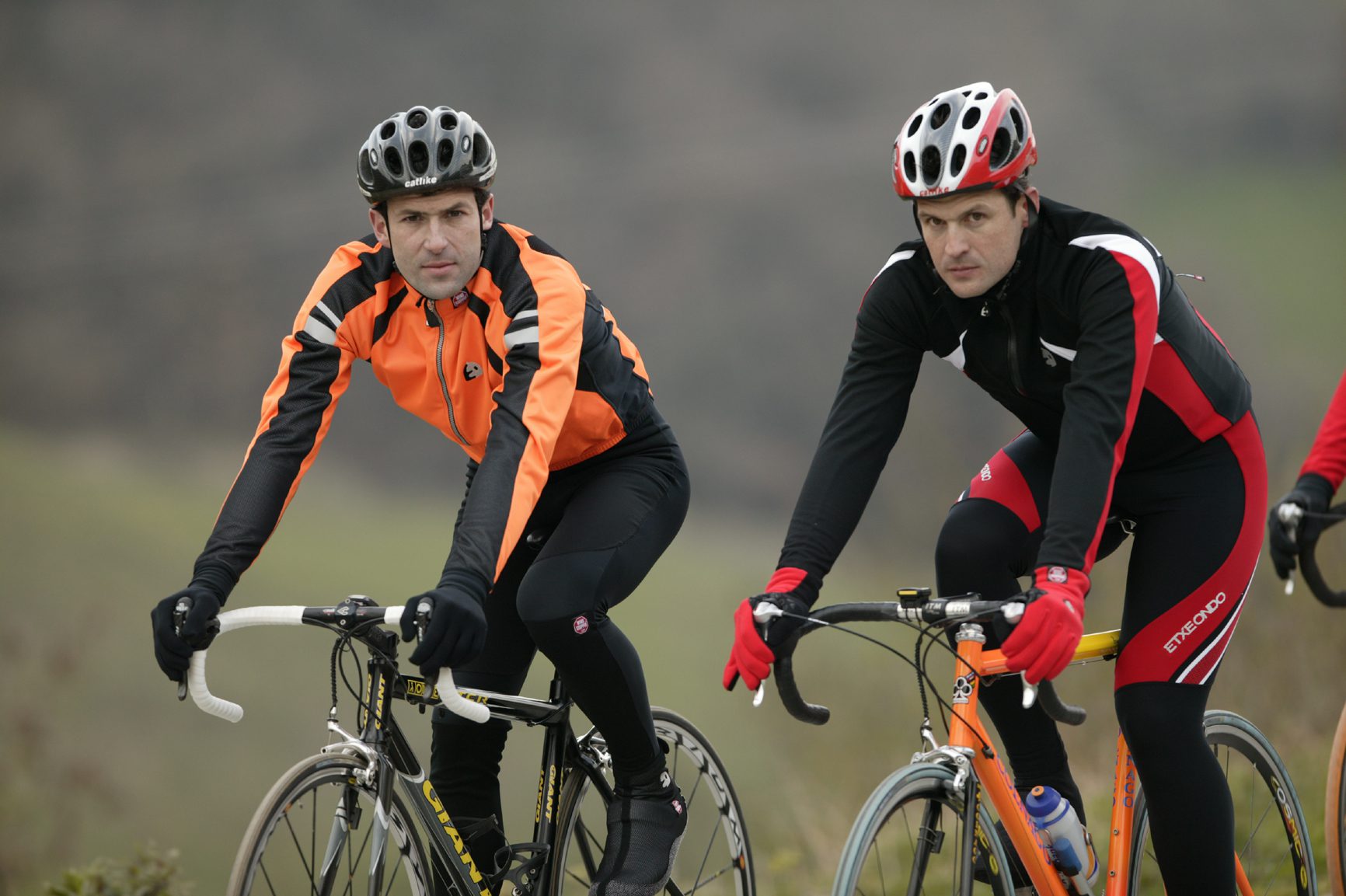
The real breakthroughs, though, came in winter collections. The Epel bib short introduced a softer, almost cotton-like fabric. But the quantum leap was Gore-Tex. Etxeondo brought the waterproof, breathable, lightweight membrane into Spain, first for professional teams and then for their own lines. Later came Windstopper, which offered a lightweight barrier against biting headwinds. Etxeondo’s sales staff would demonstrate it in shops: one glove with Windstopper, one without, then a blast of cold air so retailers could feel the difference instantly.

All the while, they observed shifts in society and cycling culture — new disciplines, new tastes — and were determined to respond without losing their own centre of gravity.

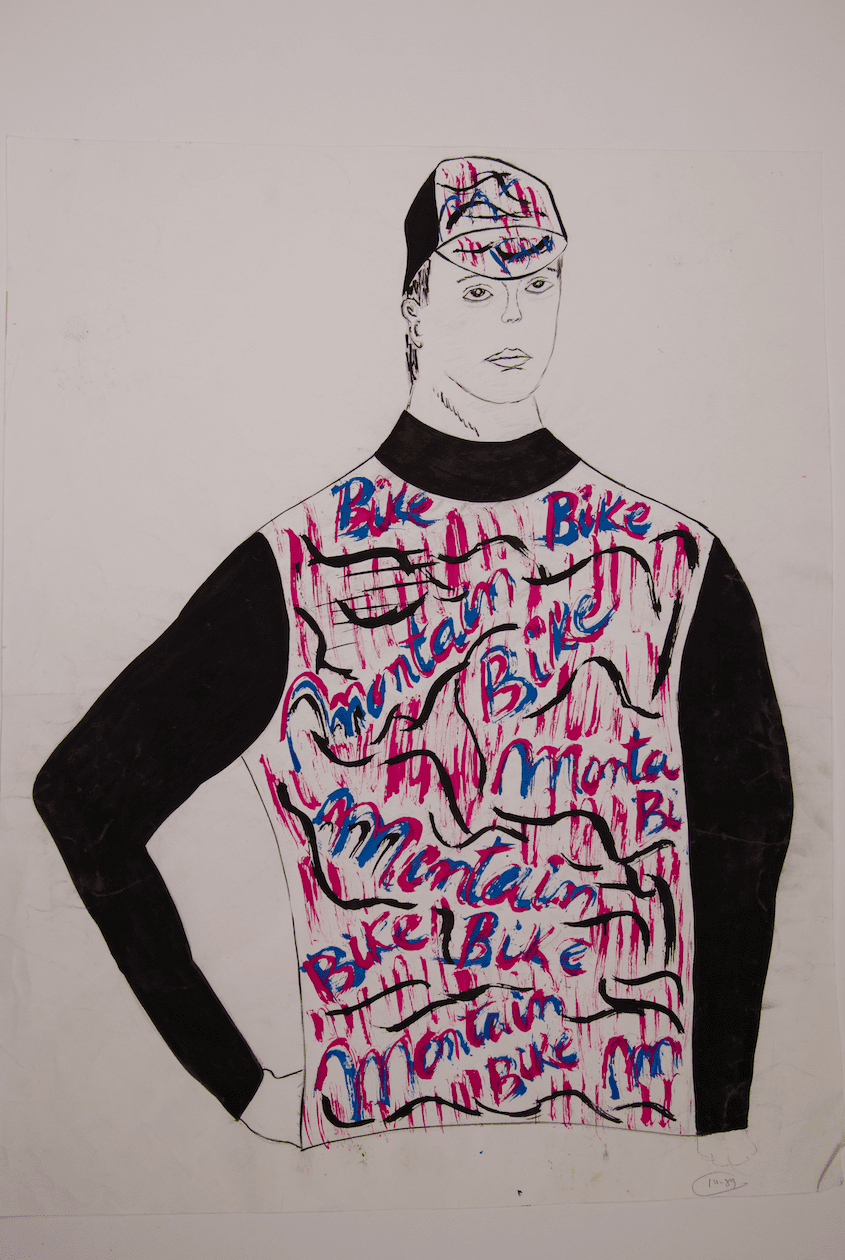
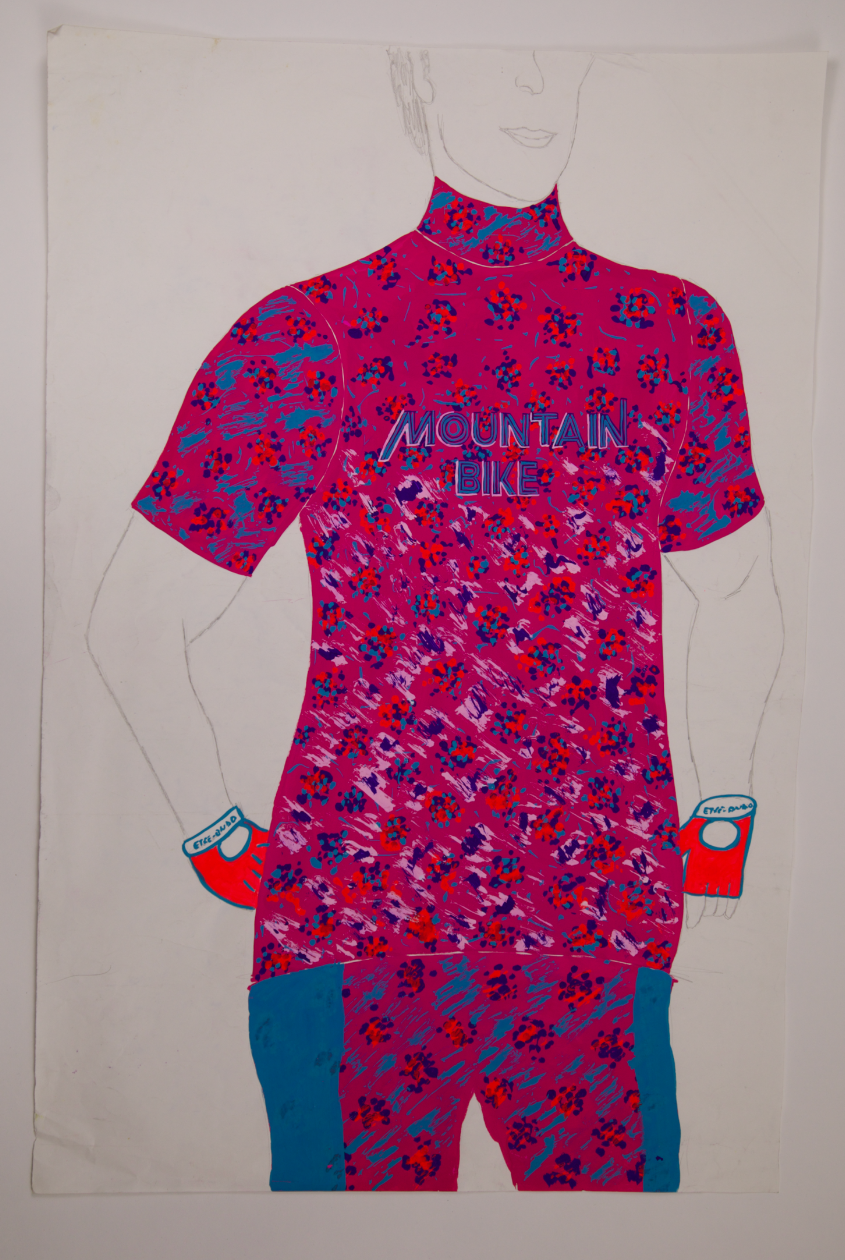
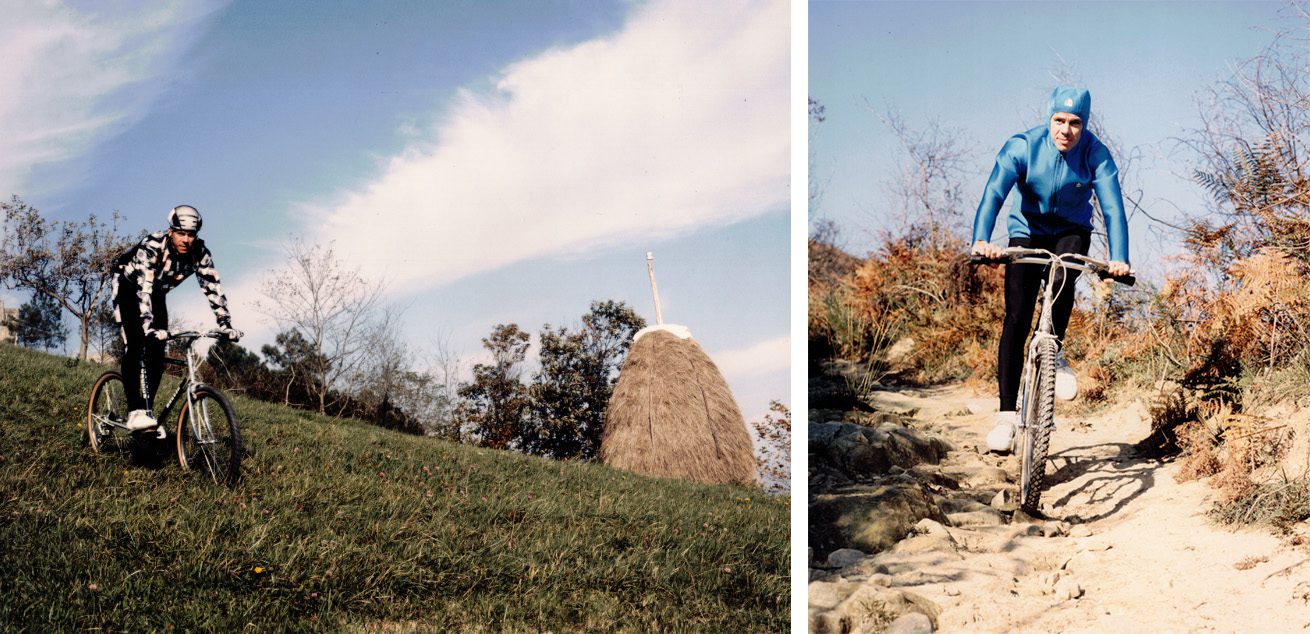
“Mountain biking was a small revolution,” Paco remembers. “It arrived from the United States with a more modern, more rebellious spirit than traditional road cycling. Mountain bikers wanted to look different. Bib shorts were supposed to be different too — loud, multicoloured…”

“Some brands produced bibs that looked like gerrikos — the belts worn in rural Basque sports like tug of war and ox dragging. They were horrendous,” says María Jesús.

“It was a bit circus-like,” Paco smiles. “The first mountain bikers looked as though they were dressed for carnival. They were searching for a new aesthetic, and of course we paid attention — we introduced some colour…”

“With mountain biking we nearly lost our heads,” María Jesús laughs. “But I’ve always cared deeply about understanding the customer. You can be the boldest, most avant-garde brand in fashion — but if no one buys the garments, what’s the point? Those extravagant bibs might sell five units. Ours sold fifty. We designed pieces that didn’t wear out after one season. There was another key factor: quality. We offered standards others couldn’t match. Every season we improved the technical fabrics — Gore-Tex, Windstopper — refined the pattern-cutting, made garments lighter, more comfortable, more reliable.”

“We design fashion collections,” María Jesús insists, “but in cycling clothing aesthetics alone are not enough. Every year we have to improve both design and technical performance. That’s what we continue to do.”

More cyclists than ever

As cycling expanded beyond its competitive perimeter fence and into the mainstream, the demographic shifted.

“With that came greater diversity in body types,” Paco explains. “You weren’t just catering for young racing cyclists — people of all shapes and sizes were riding. Fortunately we worked with elastic fabrics that adapt to different forms. What’s interesting now is that a lot of amateurs train and eat with almost professional dedication, and you see a lot of very lean bodies again. But all kinds of people are still discovering the sport. Electric bikes have pulled in older riders, heavier riders — people who wouldn’t have dared before. Cycling is more inclusive than ever, and we have to stay alive to that.”

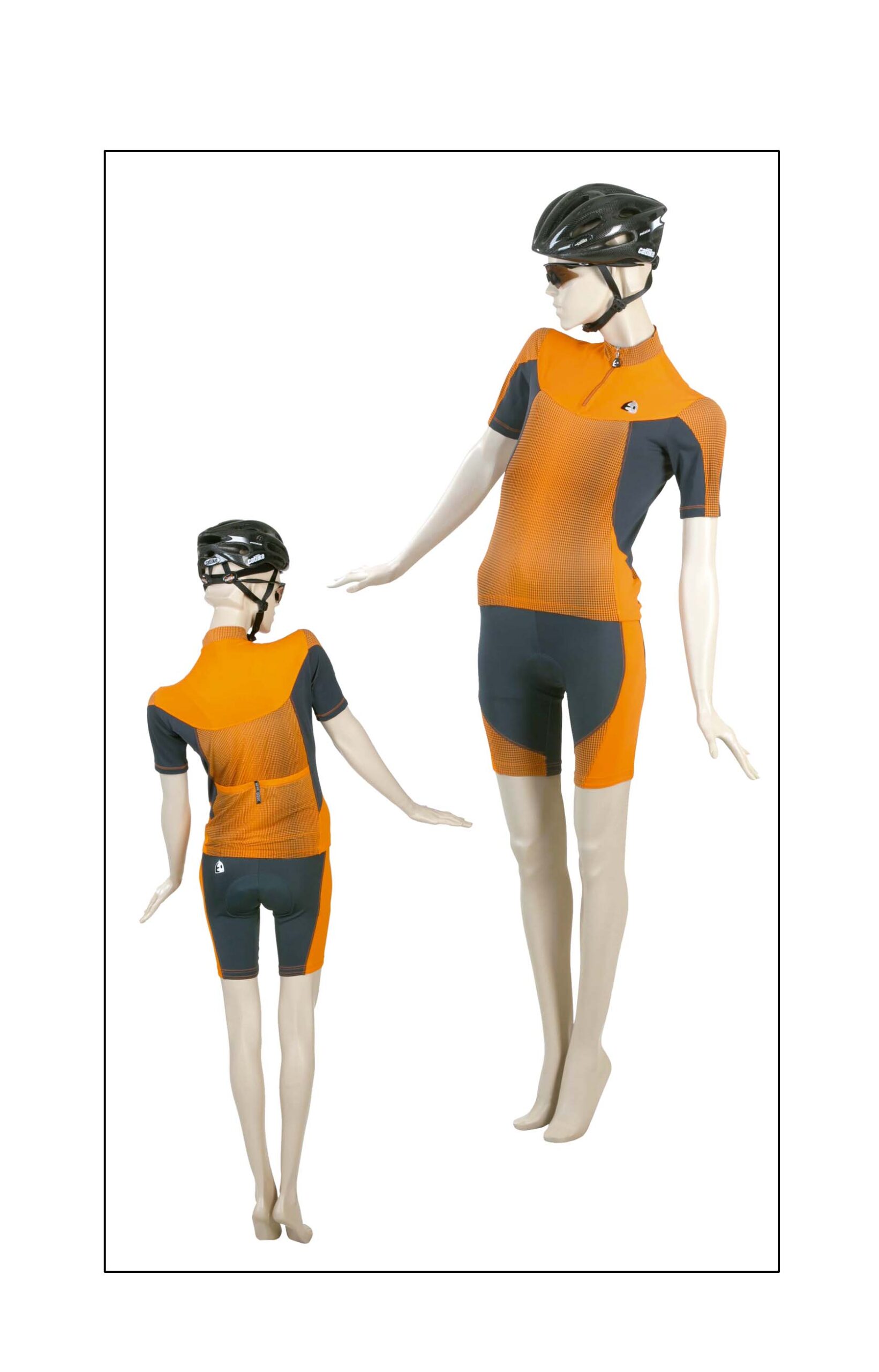
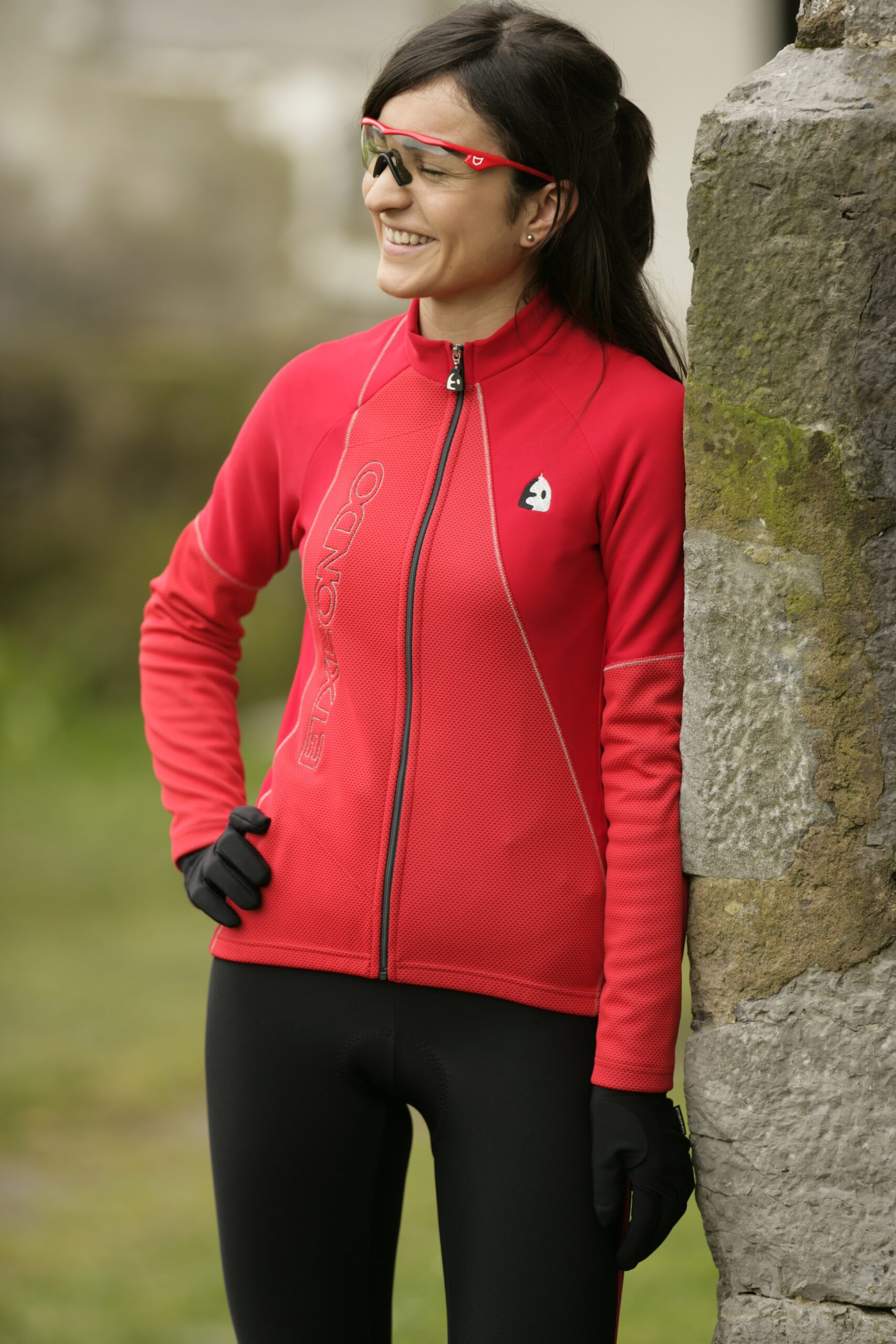
One of the most significant evolutions has been women’s collections.

“There were very few female cyclists back in the day,” says María Jesús. “We released some collections, but they barely sold. There were only a handful of women racing — no broader leisure market. A lot of women had to make do with men’s clothing. And men’s bikes. Men’s saddles…”

“Female cyclists suffered a great deal physically because nothing was designed for them — neither clothing, nor equipment. I’m talking about women racing the Tour,” Paco adds.

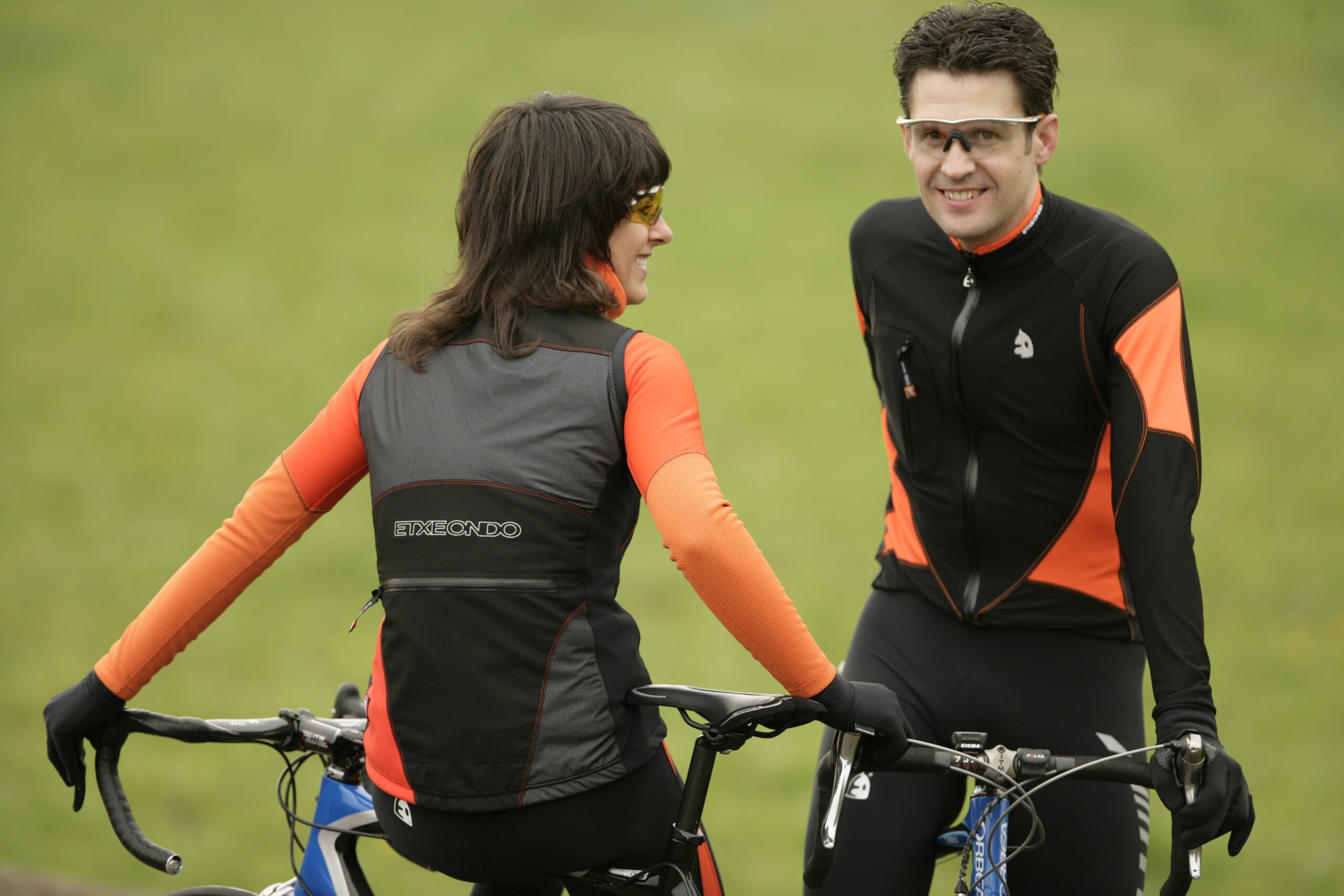
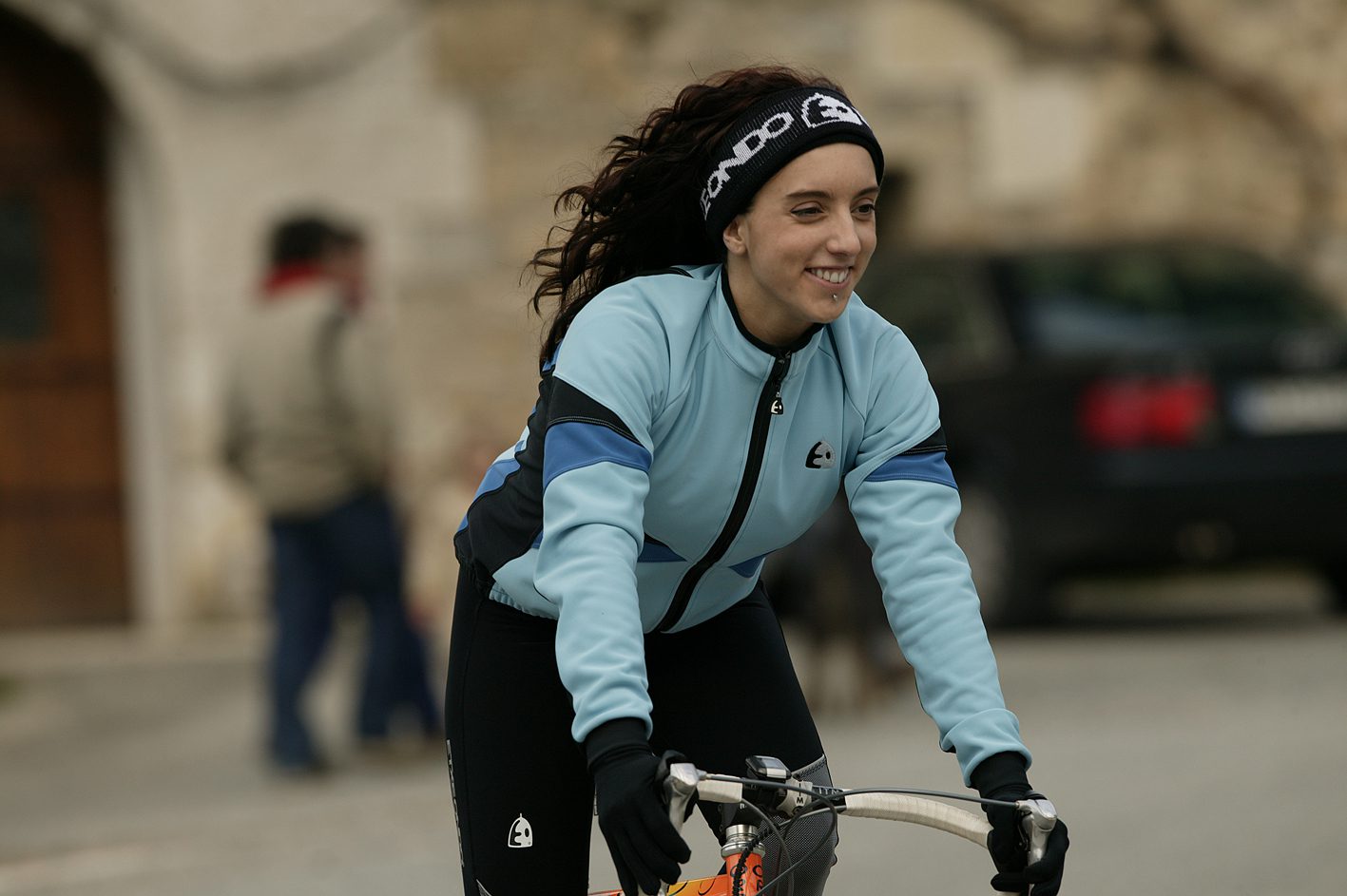
In recent years that landscape has transformed. More women are riding, and they have access to bicycles and apparel tailored to them — the full range of Etxeondo bib shorts, jerseys, jackets and beyond.

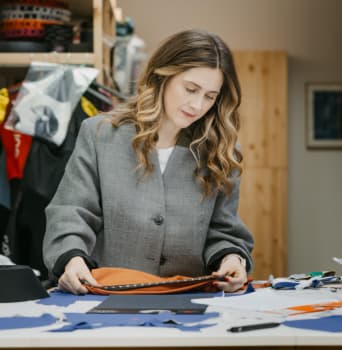
Etxeondo continues to monitor social trends, changes in fashion and advances in textile engineering. But the end result — comfort, lightness, protection, durability — depends on what happens in-house: the design, the pattern-cutting, the precision of the machinery.

“It’s like cooking,” Paco says. “You can have the finest ingredients in the world. What matters is knowing how to prepare them.”

¿TE HA GUSTADO?

Suscríbete para no perderte ninguno de nuestros artículos aquí
TAMBIÉN TE PUEDE INTERESAR

Guía de cómo vestir este Otoño-Invierno 24/25 ROOTS AT HOME, BRANCHES OPEN TO THE WORLD

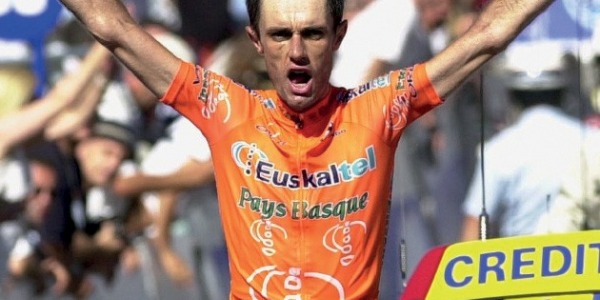
While expanding internationally, Etxeondo also took care to maintain and nourish its deep roots in its home region, supporting the growth of teams such as Kern Pharma and the new Euskaltel-Euskadi. In 2026 the company celebrates its fiftieth anniversary while ushering in a new phase in the company’s history and renewing its commitment to sustainable growth, a strong historical identity and the enduring quality of its cycling kit.  

Lees verder
Guía de cómo vestir este Otoño-Invierno 24/25 De evolutie gaat verder: de Voorjaar/Zomer 2026 collectie

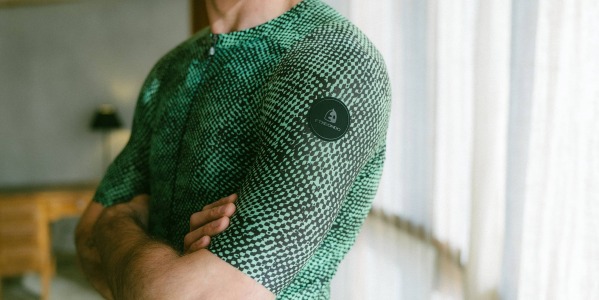
Nieuwe kledingstukken, technische verbeteringen en een vernieuwde visie in het jaar waarin Etxeondo zijn 50-jarig jubileum viert
Lees verder
Guía de cómo vestir este Otoño-Invierno 24/25 TRAMA JERSEY: EEN ONTWERP MET EEN ZIEL, THUIS GEBOREN

Geïnspireerd door een handgemaakte print die meer dan 40 jaar geleden is gemaakt

Lees verder
Guía de cómo vestir este Otoño-Invierno 24/25 De evolutie van excellentie: de nieuwe lente/zomercollectie van Etxeondo

Elke nieuwe collectie van Etxeondo is het resultaat van een zorgvuldig proces waarin traditie en innovatie hand in hand gaan.

Lees verder
Guía de cómo vestir este Otoño-Invierno 24/25 Alde Metalic, ontwerp en prestaties verenigd in een jersey.

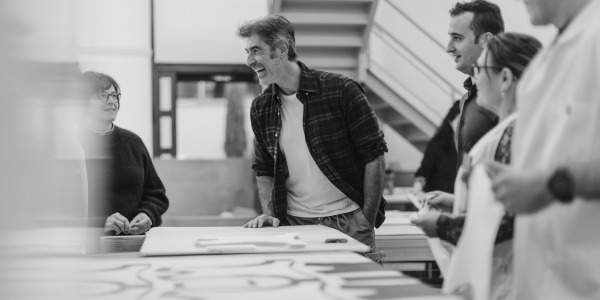
Elke lijn, elke curve, versmelt naadloos met het stedelijke landschap en wordt een integraal onderdeel van de omgeving die technologie en ontwerp hebben helpen herdefiniëren.
Lees verder
VOLVER A LA MAGAZINE

Comments (0)

No comments at this moment
Toegevoegd aan de comparator
Er kunnen geen producten meer worden vergeleken.