Sign in

DECEMBER 2025

The Definitive Winter Cycling Guide: The Art of Layering

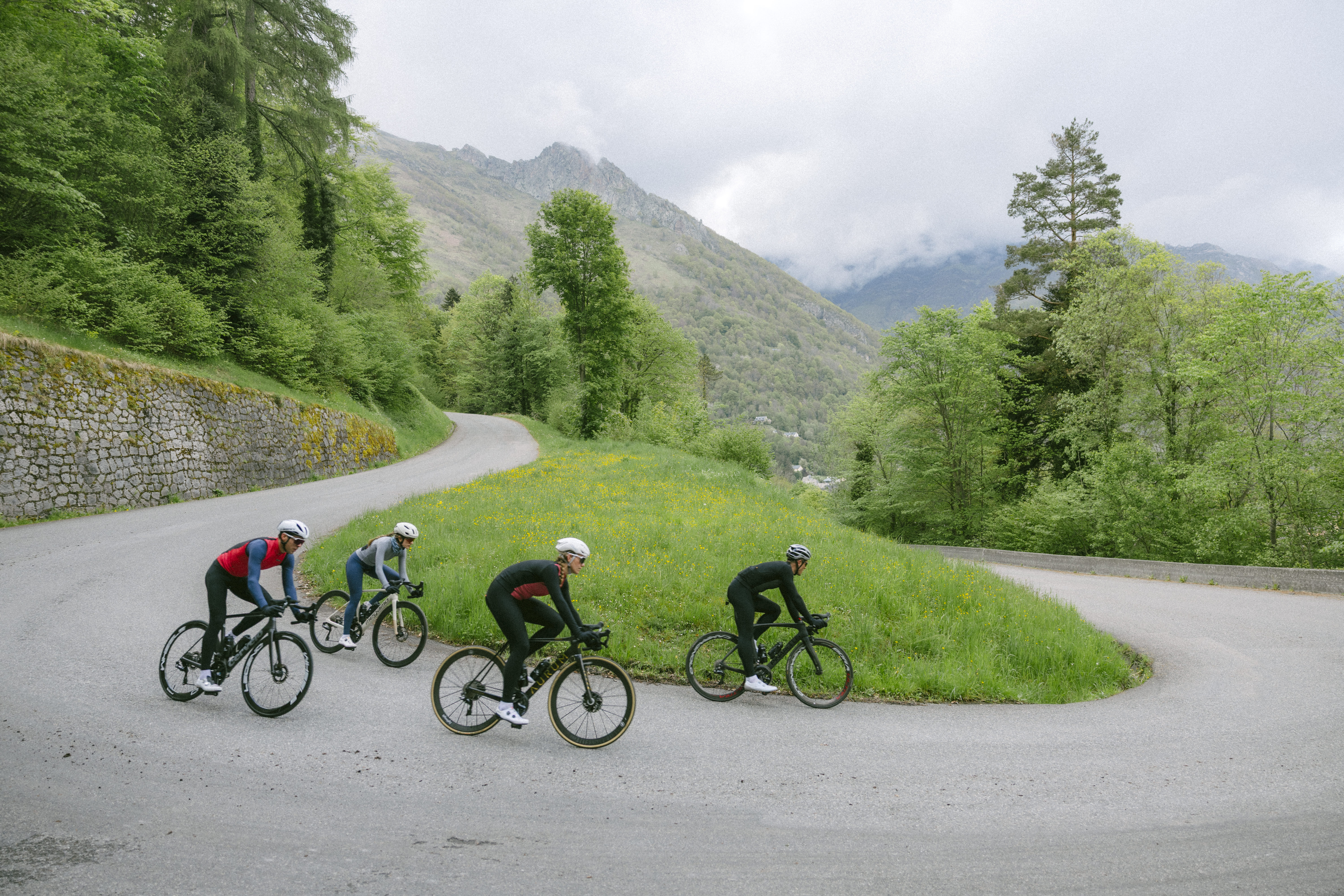
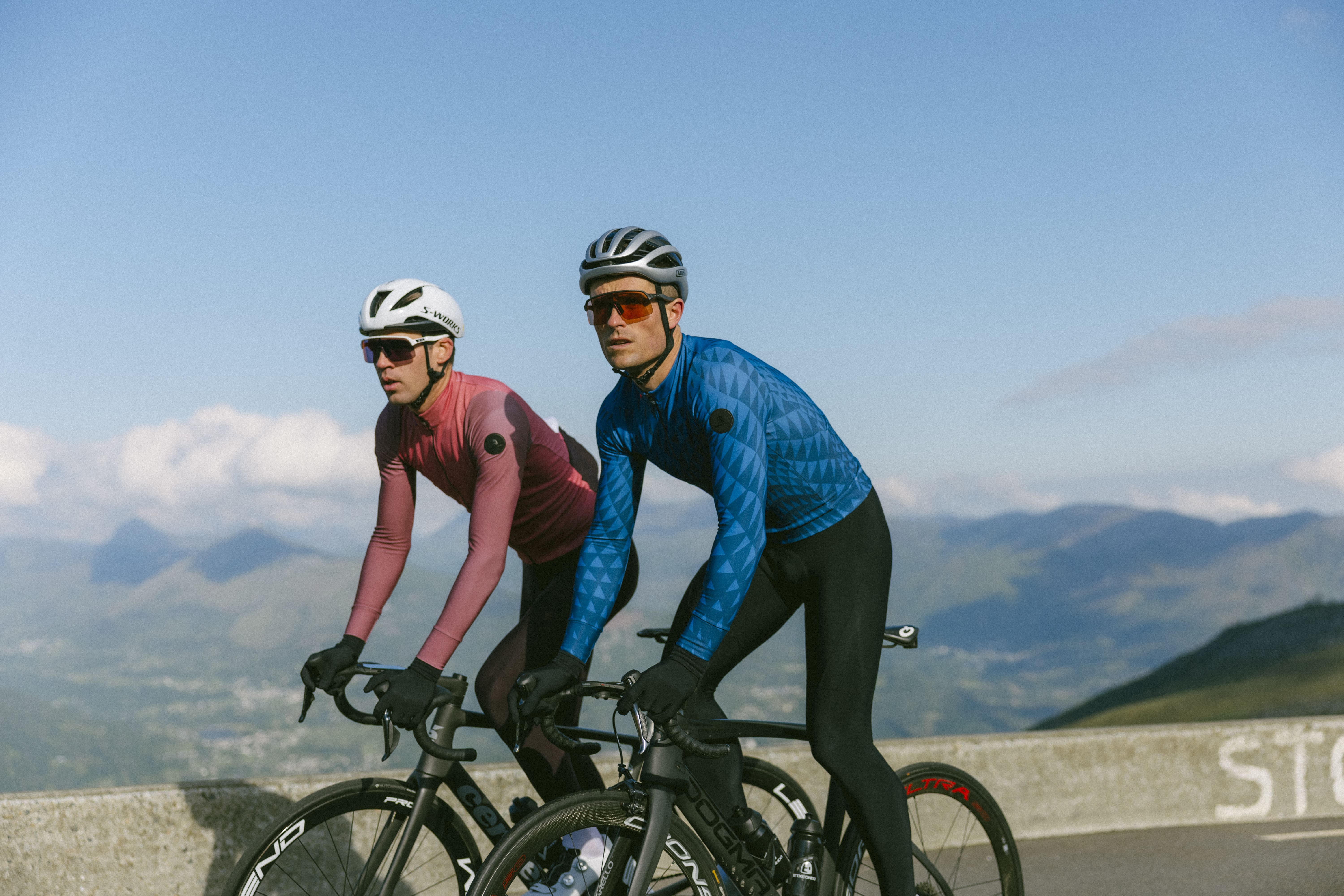
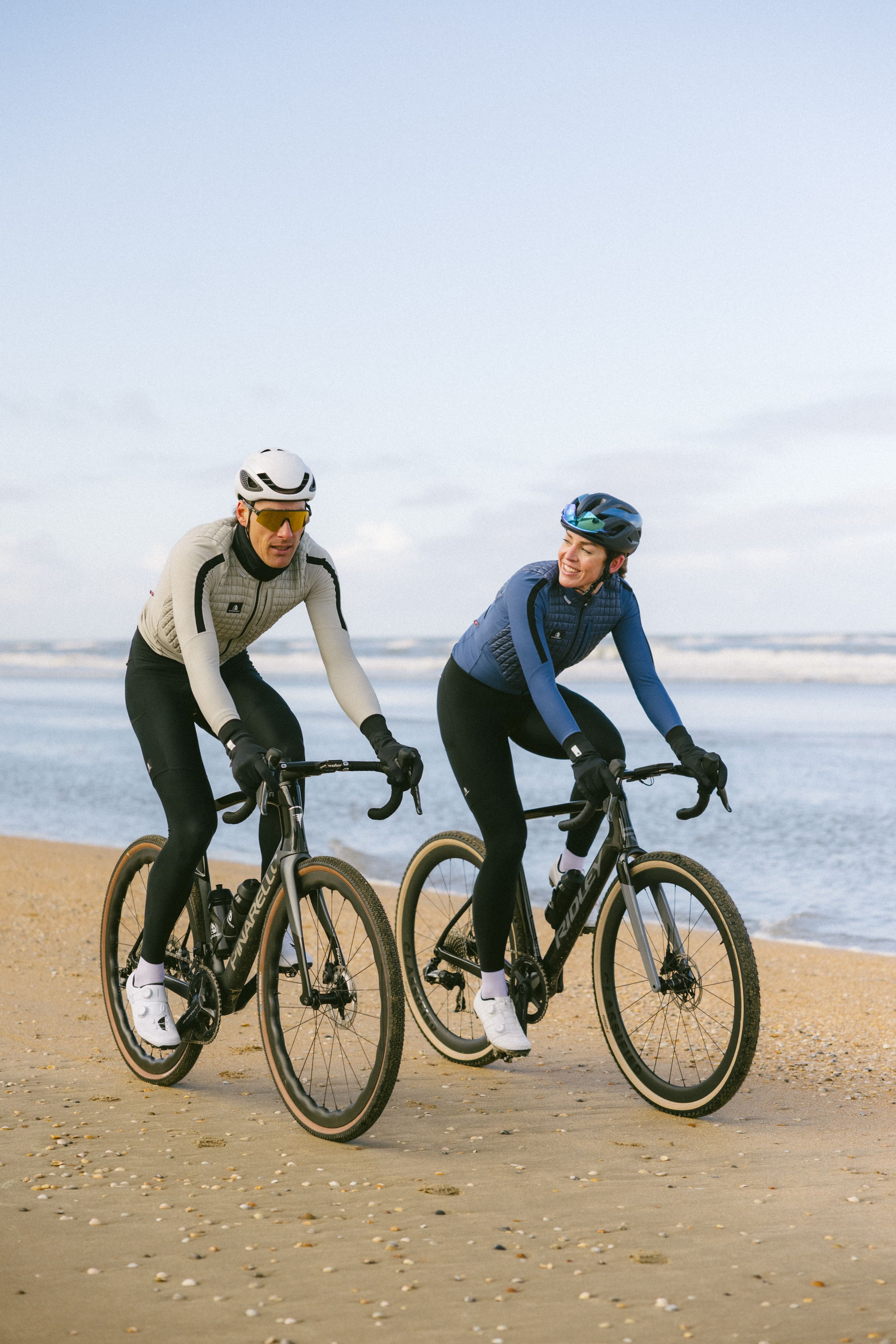
Winter is the season that truly tests every cyclist. The key to enjoying every ride is the layering system, allowing you to adapt your gear to the weather.

With quality, performance-designed apparel like the items in this collection, you will never need more than 3 layers to guarantee thermal comfort, even in the most intense cold.

Important Note: Temperature ranges are approximate guidelines. Thermal sensation is personal; it depends on exercise intensity, humidity, wind, and individual physiology. Every cyclist is different.

1. The Essential Base: Undershirts (Base Layers)

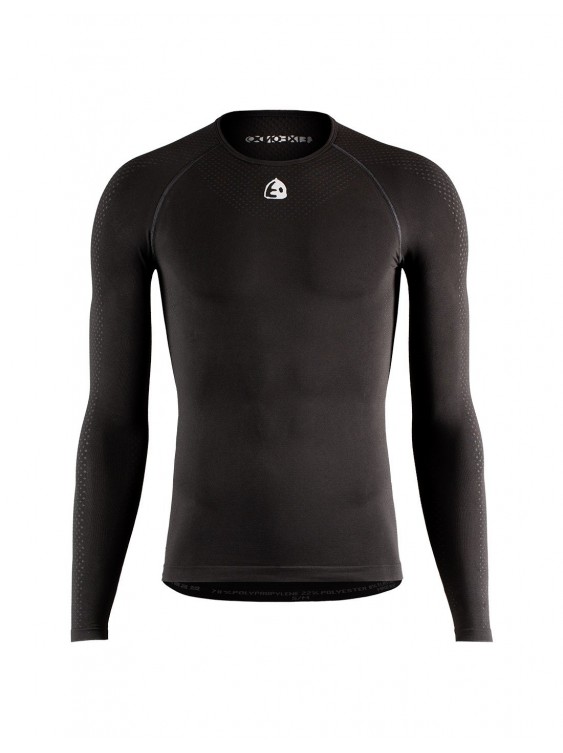
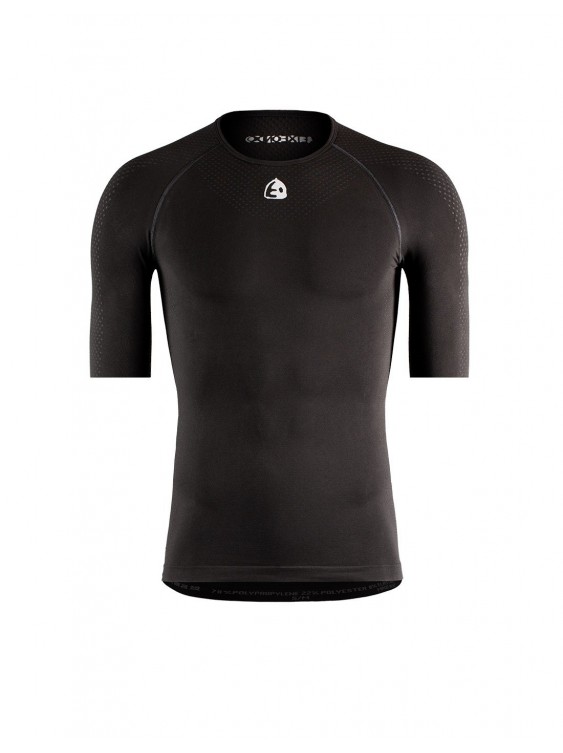
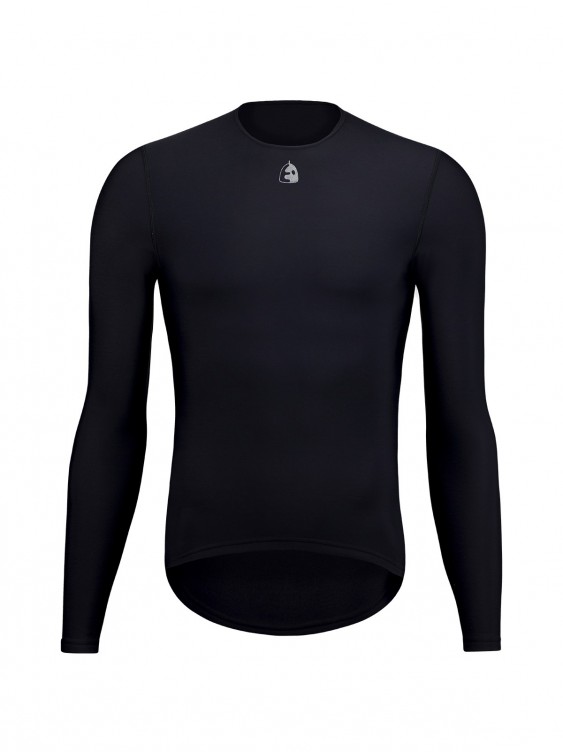
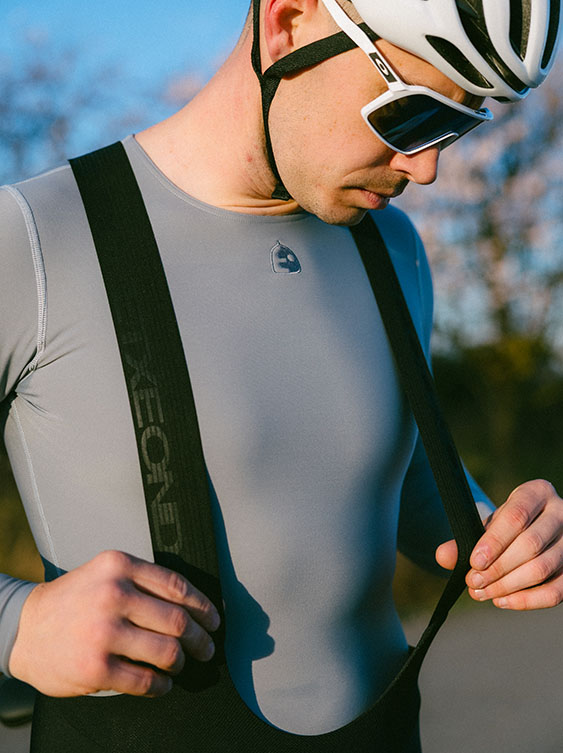
The first layer is the most important. Its function is to manage moisture and keep the skin dry.

Kea (L/S or S/S): For colder temperatures, providing an extra layer of insulation without excessive bulk.

Iluna: Designed for very, very cold temperatures, offering maximum thermal insulation for the toughest days.

Phase 1: Mild Cold and Transition (Approx. 12ºC to 18ºC)

When the thermometer drops, but the pace is high or the winter is mild.

Torso and Sleeves

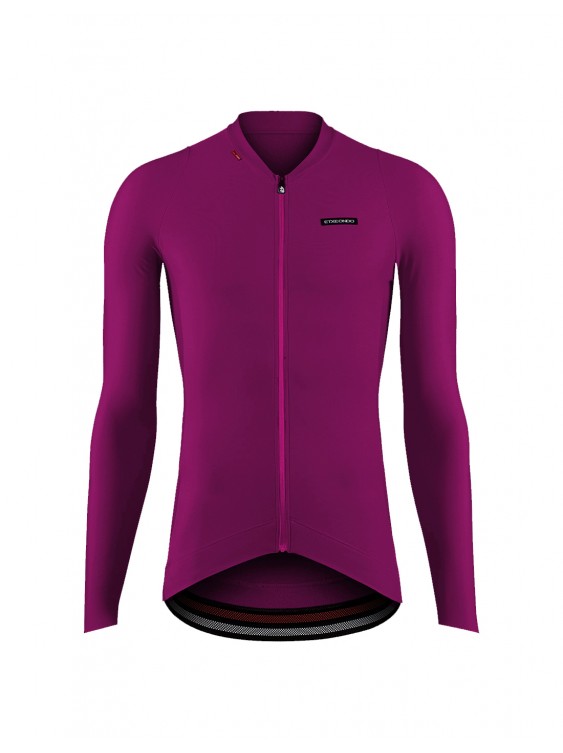
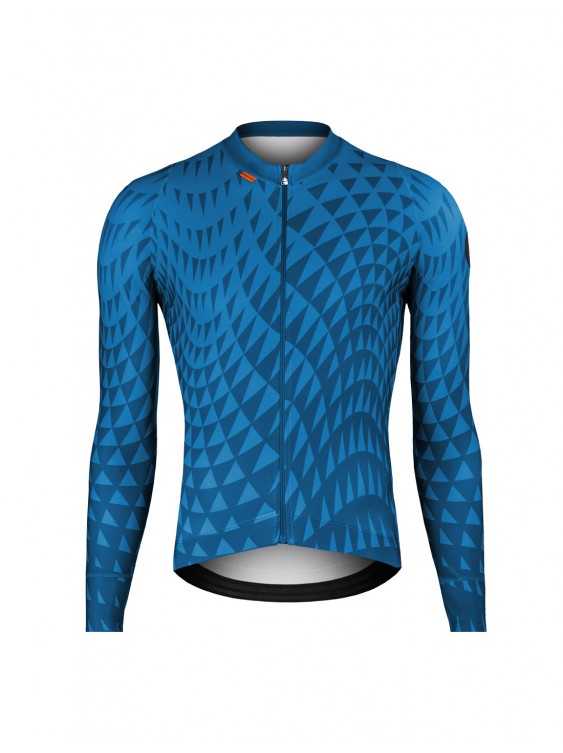
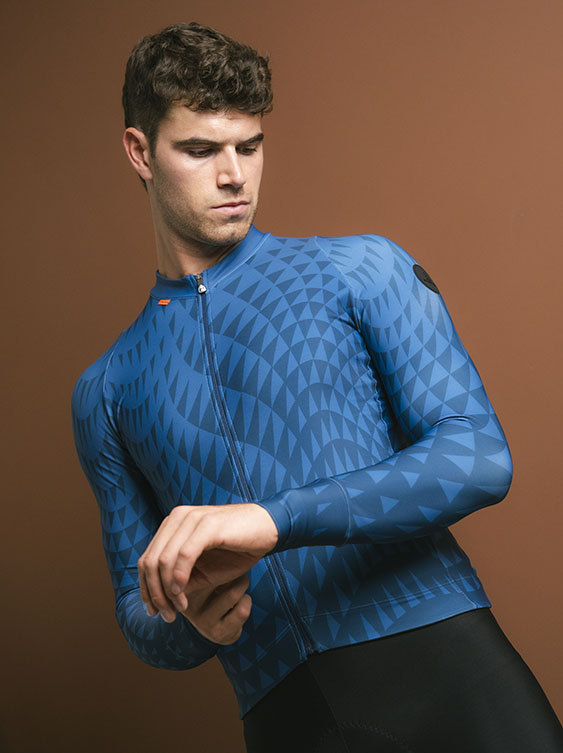
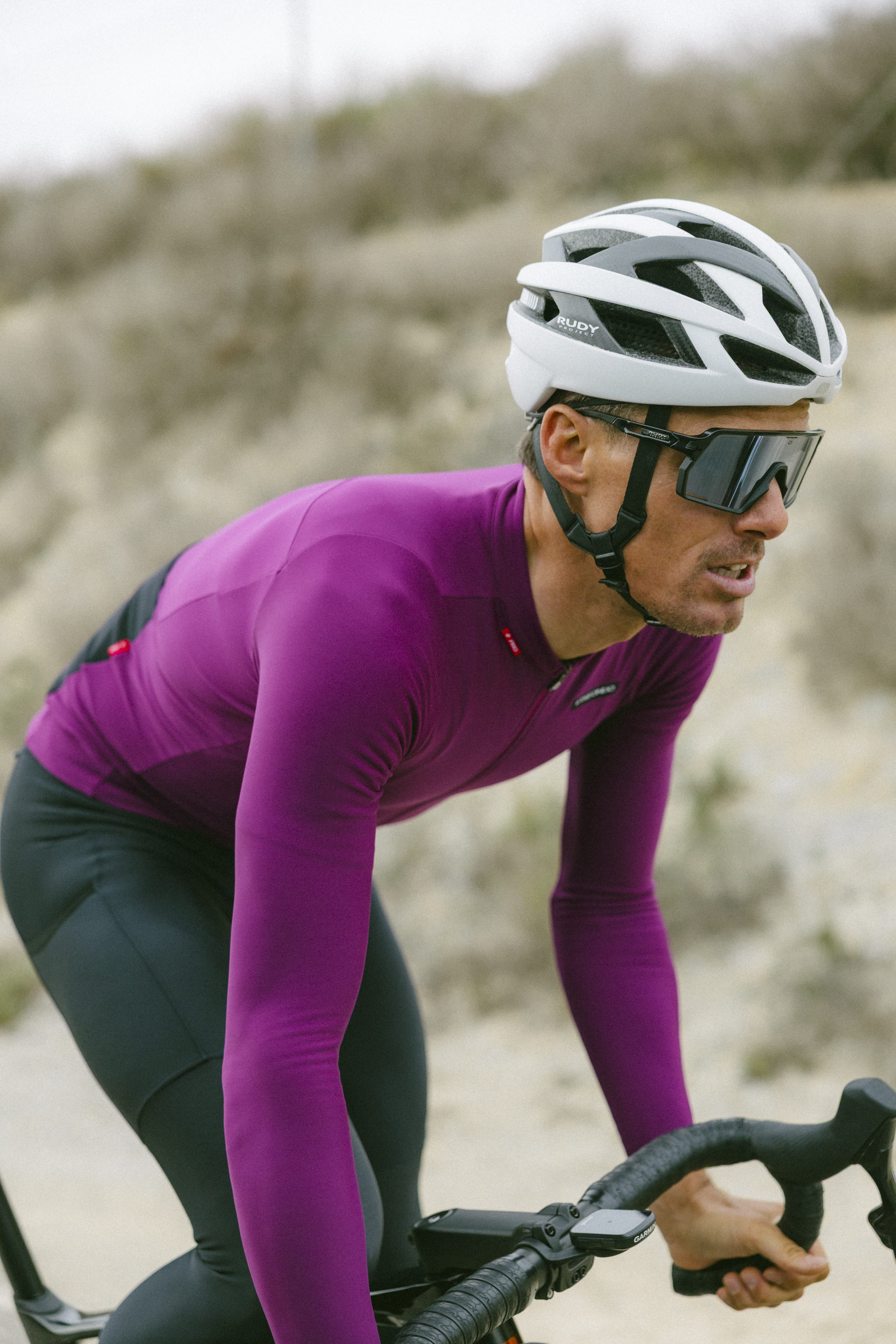
Alde Thermo and Aran: Thermal jerseys ideal for transitioning into cold weather. They provide enough warmth without overheating.

The Power of the Vest: 24/7 Versatility

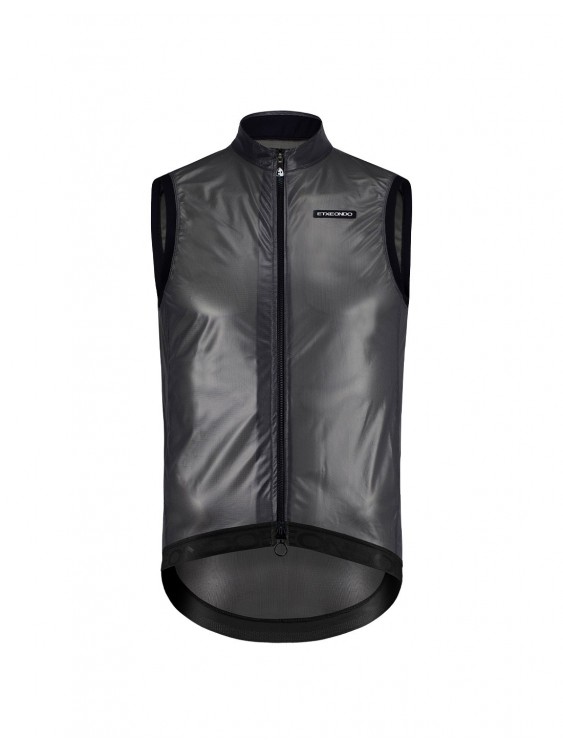
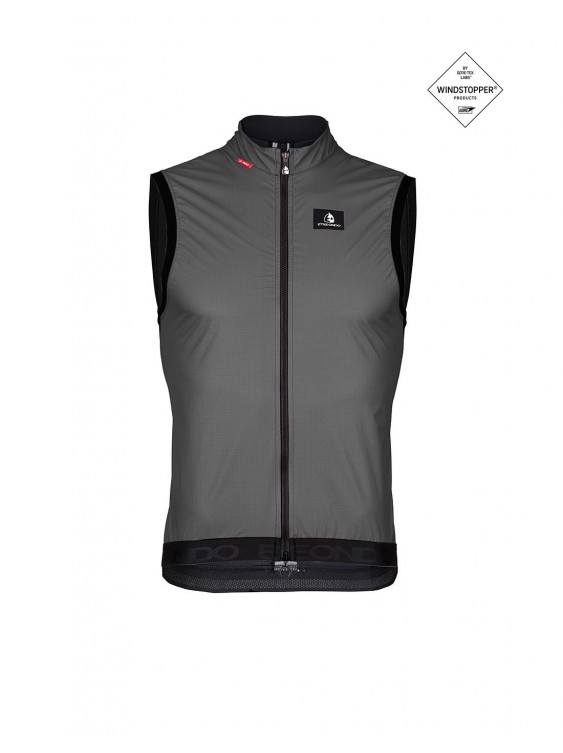
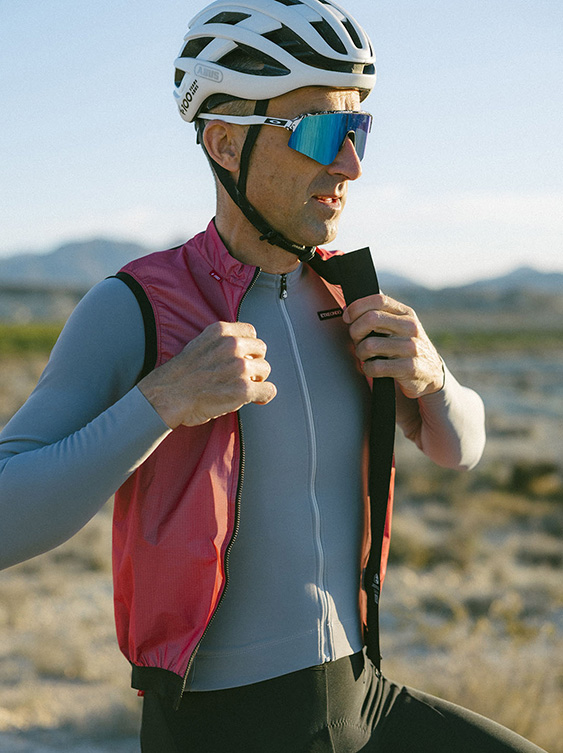
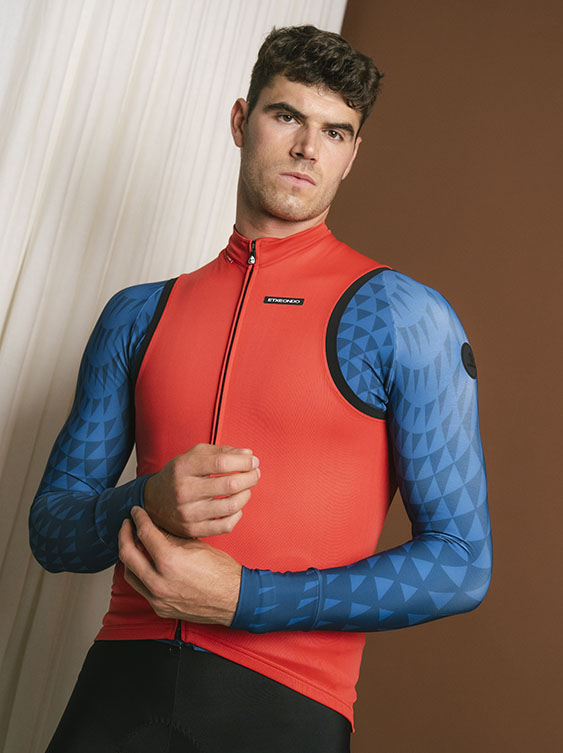
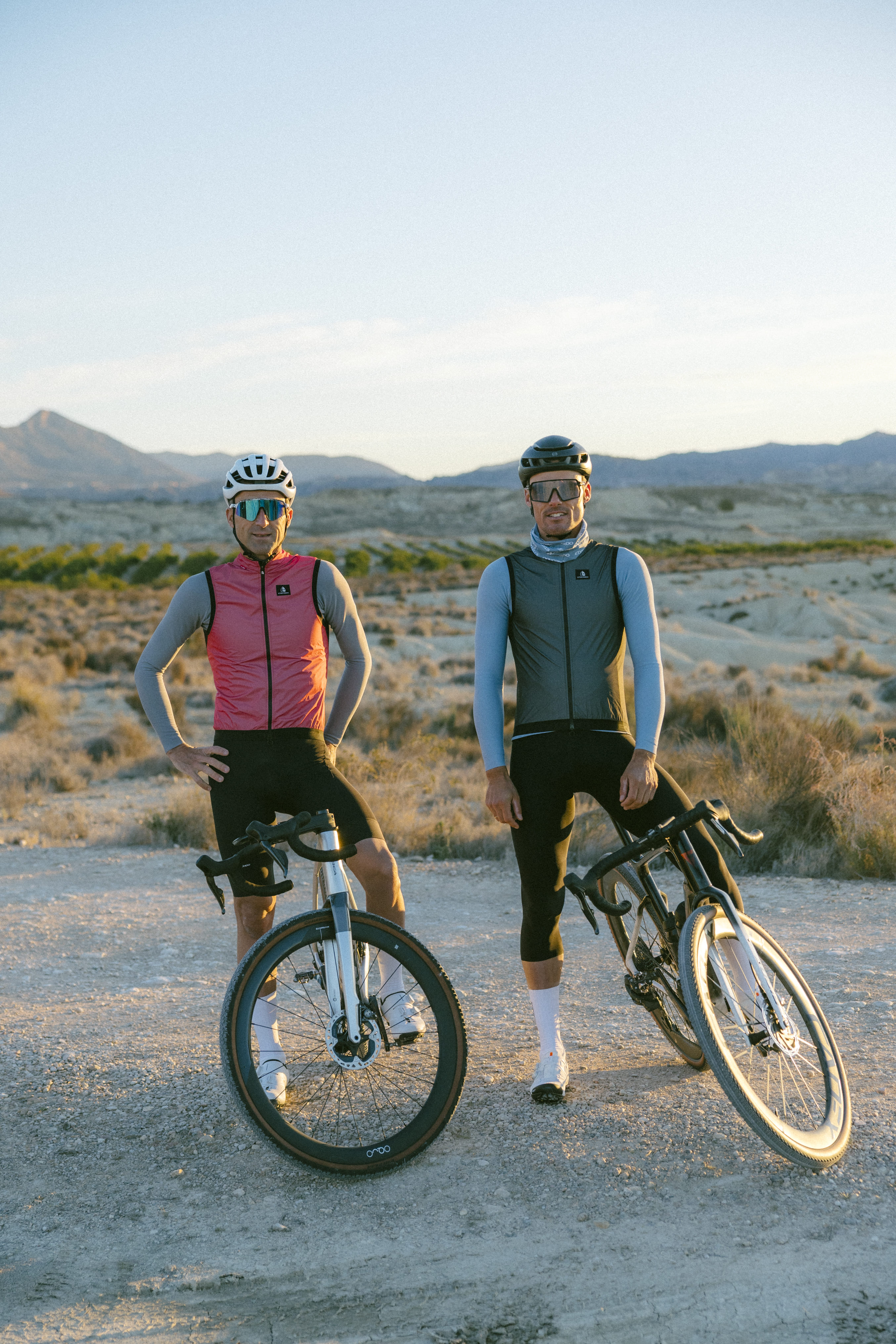
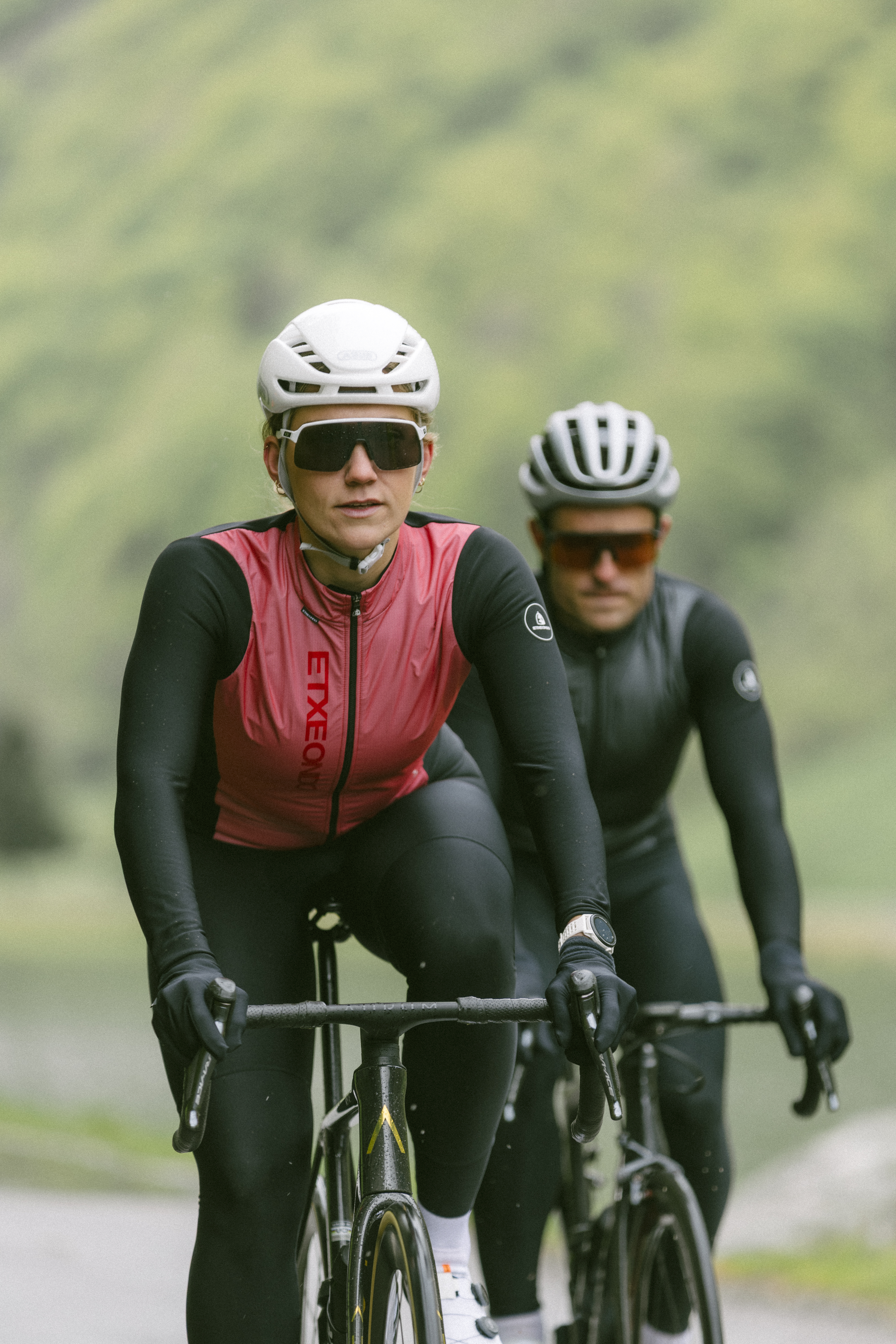
The vest is the perfect complement for days when you leave home in one temperature and return with another. You start with it on and can take it off when the temperature rises, as it is easy to store. Additionally, it serves as immediate support on descents or colder moments of the ride, significantly extending your jersey's temperature range.

Light Reinforcement (Busti): Provides a slight extra warmth and is very comfortable, with the advantage of being stored without taking up hardly any space in your pocket.

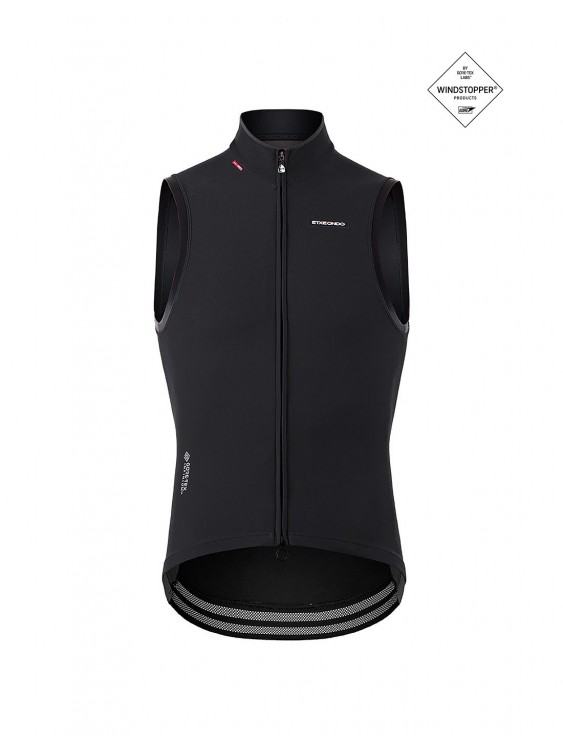
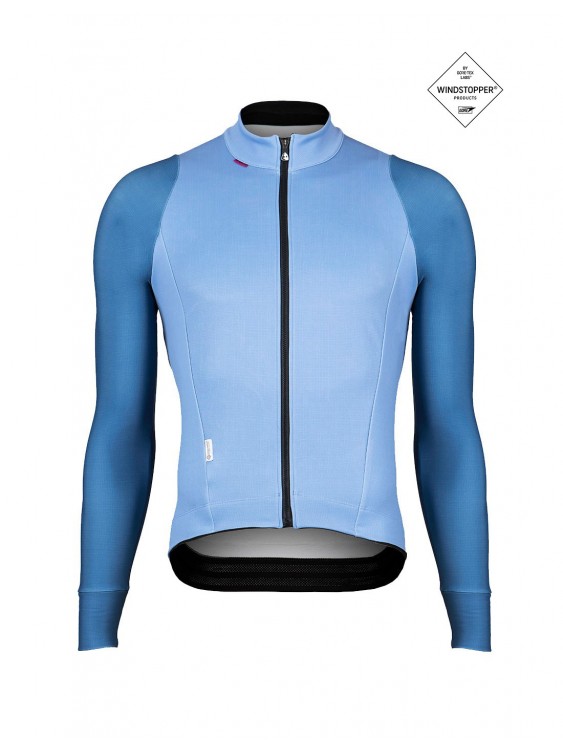
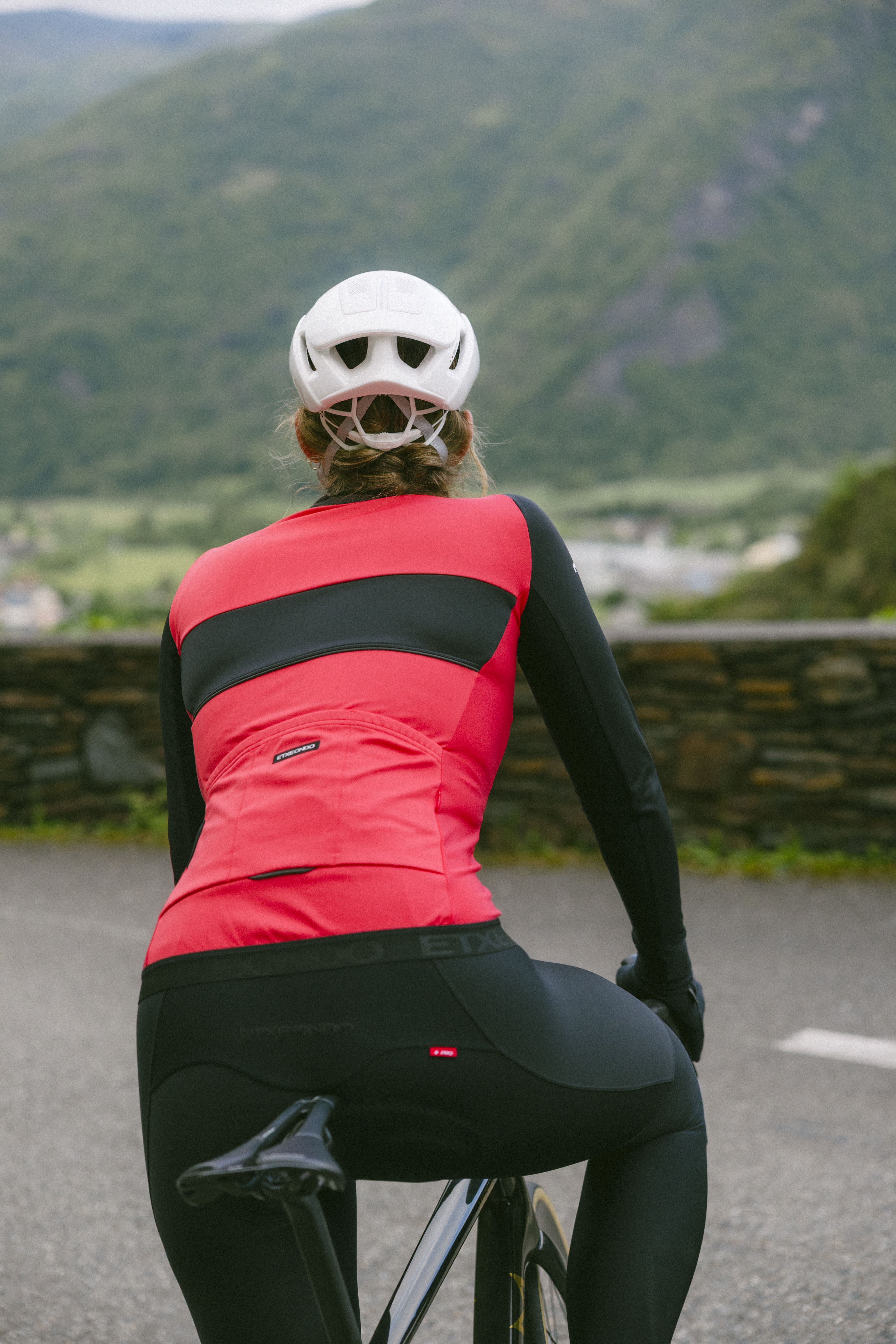
Windstopper Protection (Arima): The Arima (windstopper) vest is a very interesting option, allowing you to ride easily in temperatures below 10ºC.

Thermal Insulation (Arri): An Arri vest provides a significant amount of thermal insulation for any moment of the ride.

Ligero Vest: Provides less coverage than the Arima but is equally easy to remove and pocket.

Legs: Flexibility and Doubt

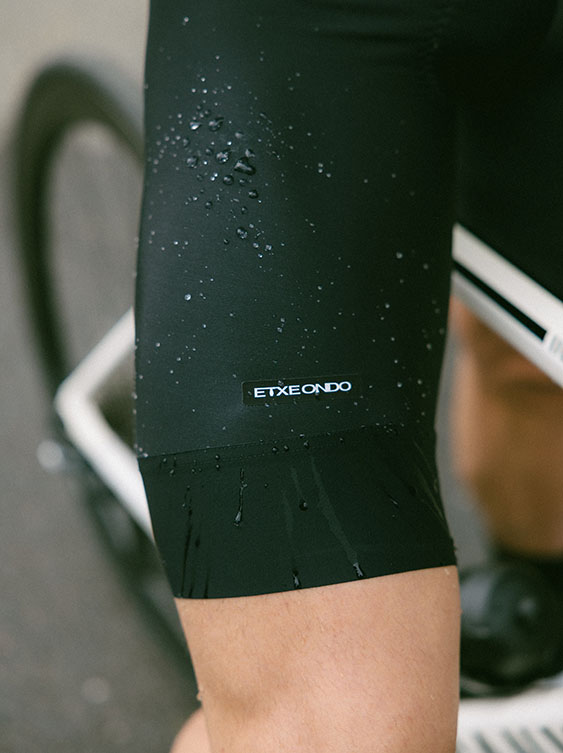
Orhi Hydro: Perfect for those in-between days when you doubt whether to wear shorts or longs. It offers a degree of thermal protection for cool mornings.

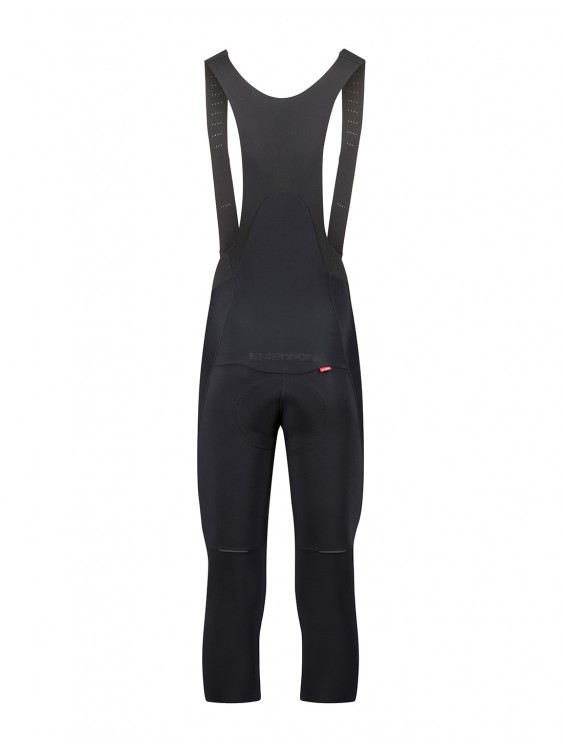
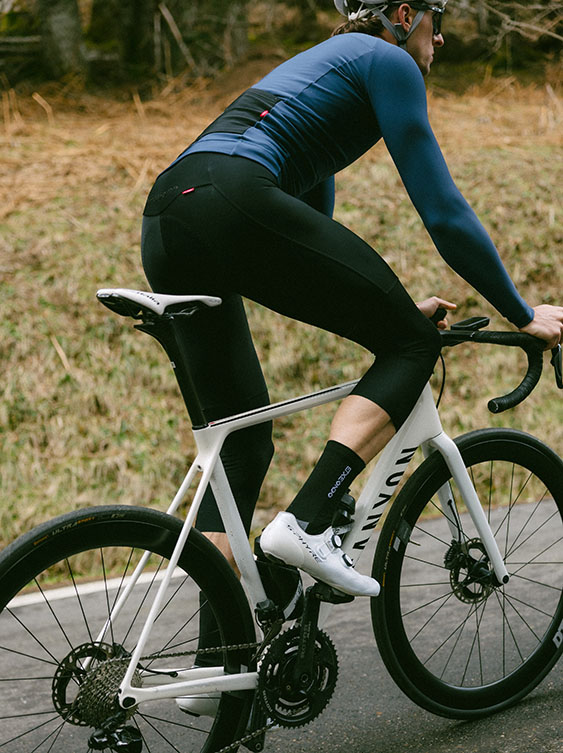
Orhi 3/4: A personal preference option. It covers down to below the knee, providing warmth to the joints.

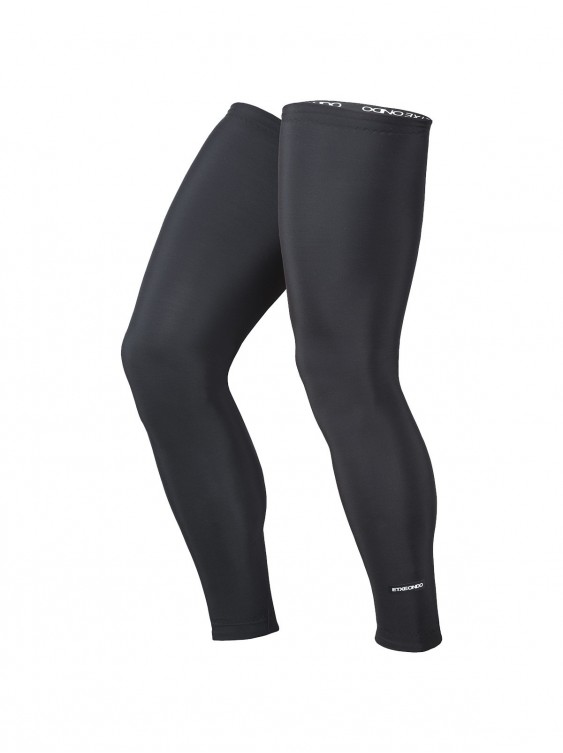
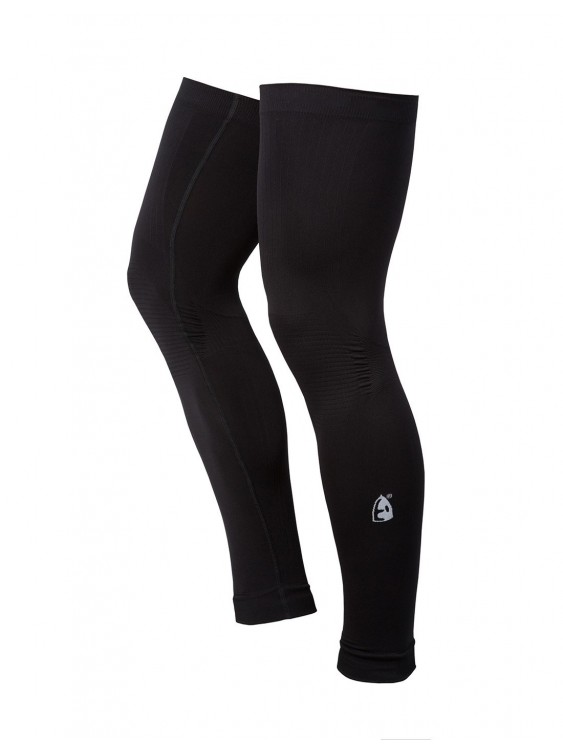
Leg Warmers: A very popular option that allows you to combine short bib shorts with leg warmers to adapt to morning conditions. The Ibai model (short and long version) is for colder and wetter conditions, and the Luze (long) and Motz (short) are for milder conditions.

Phase 2: Moderate Cold and Versatility (Approx. 6ºC to 13ºC)

Noticeably cold temperatures where thermal protection and insulation are mandatory.

Torso and Sleeves

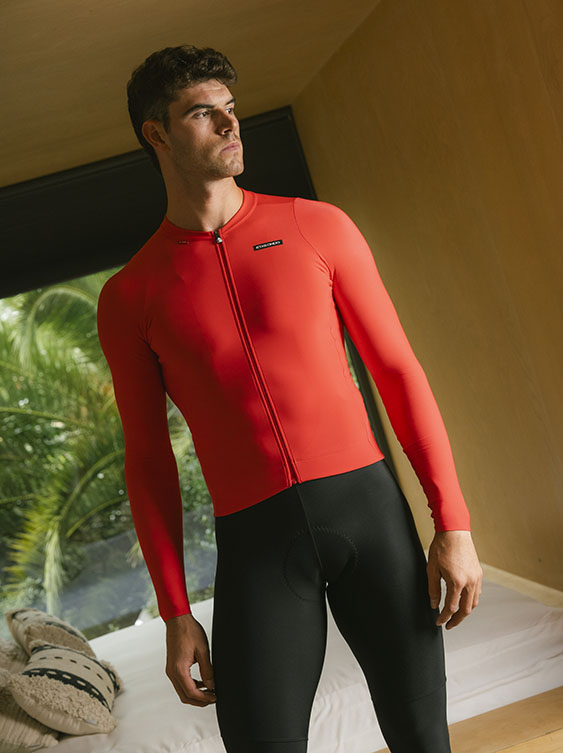
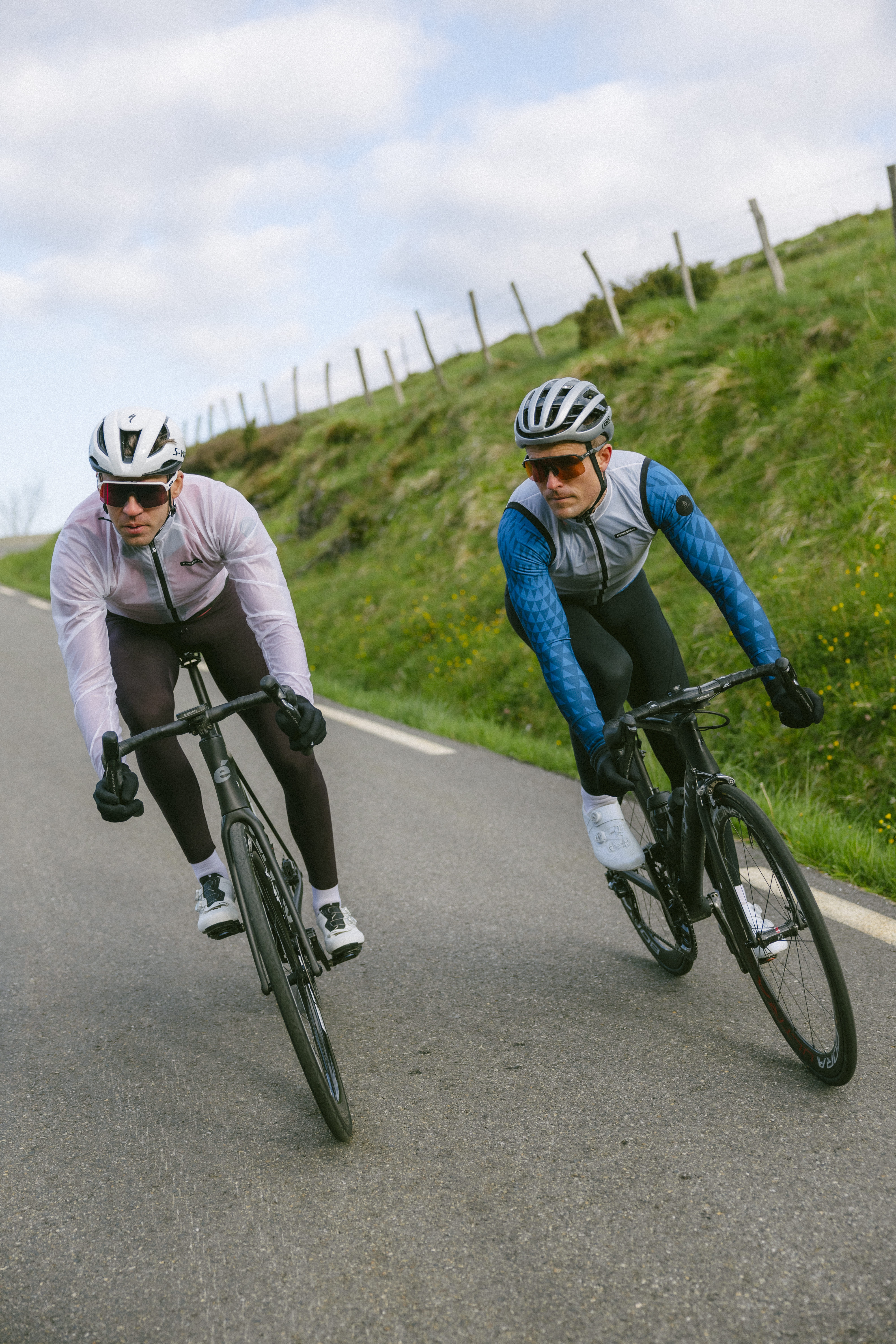
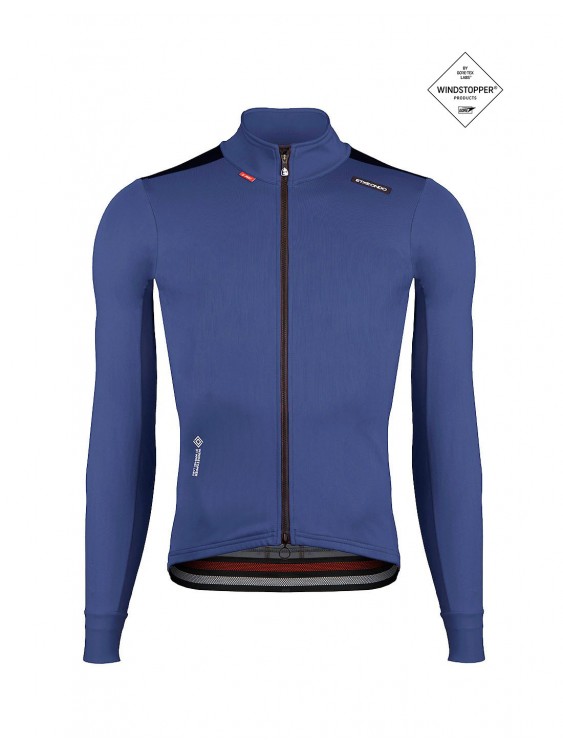
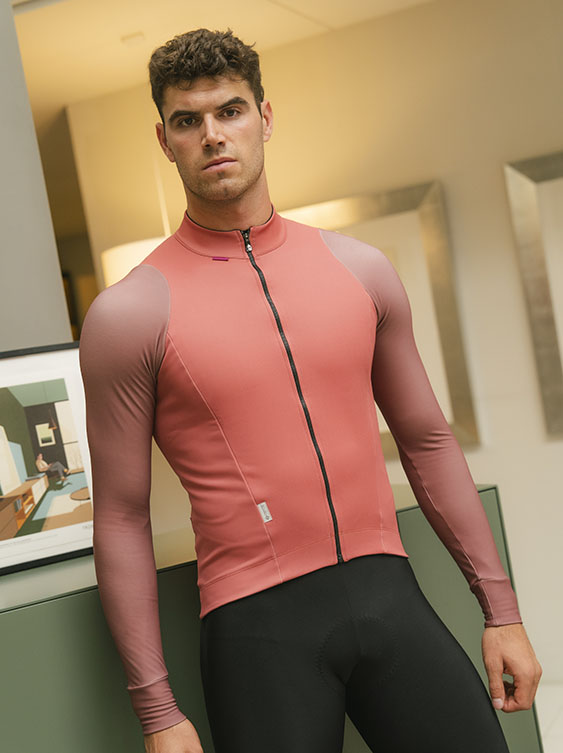
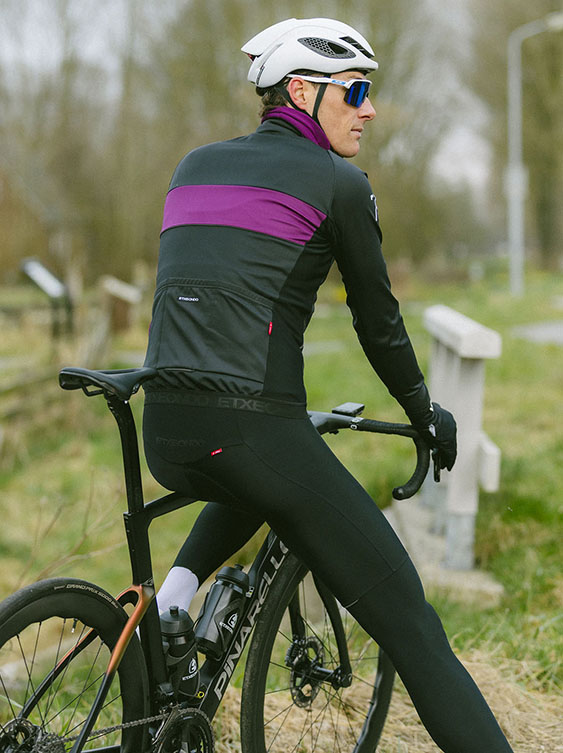
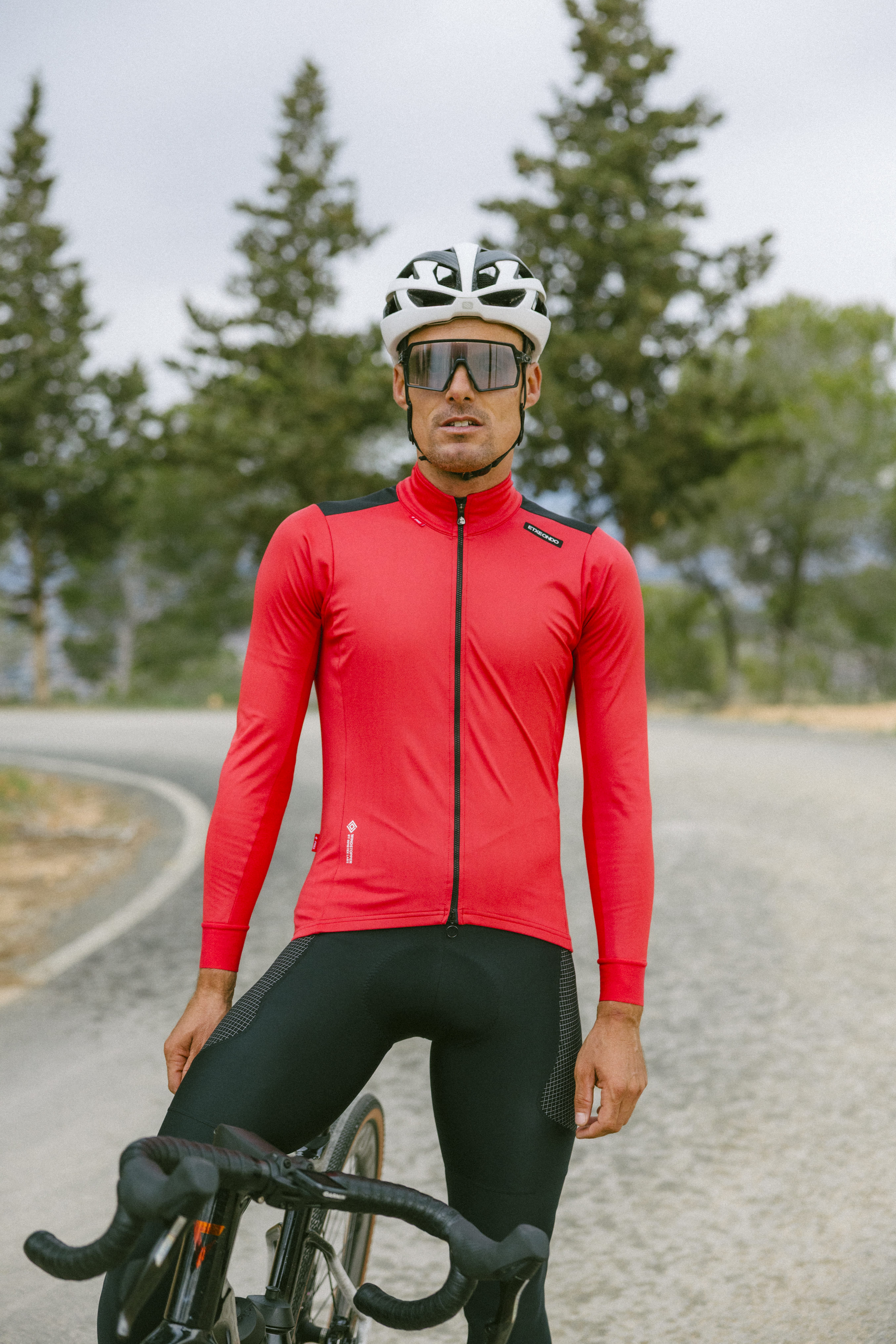
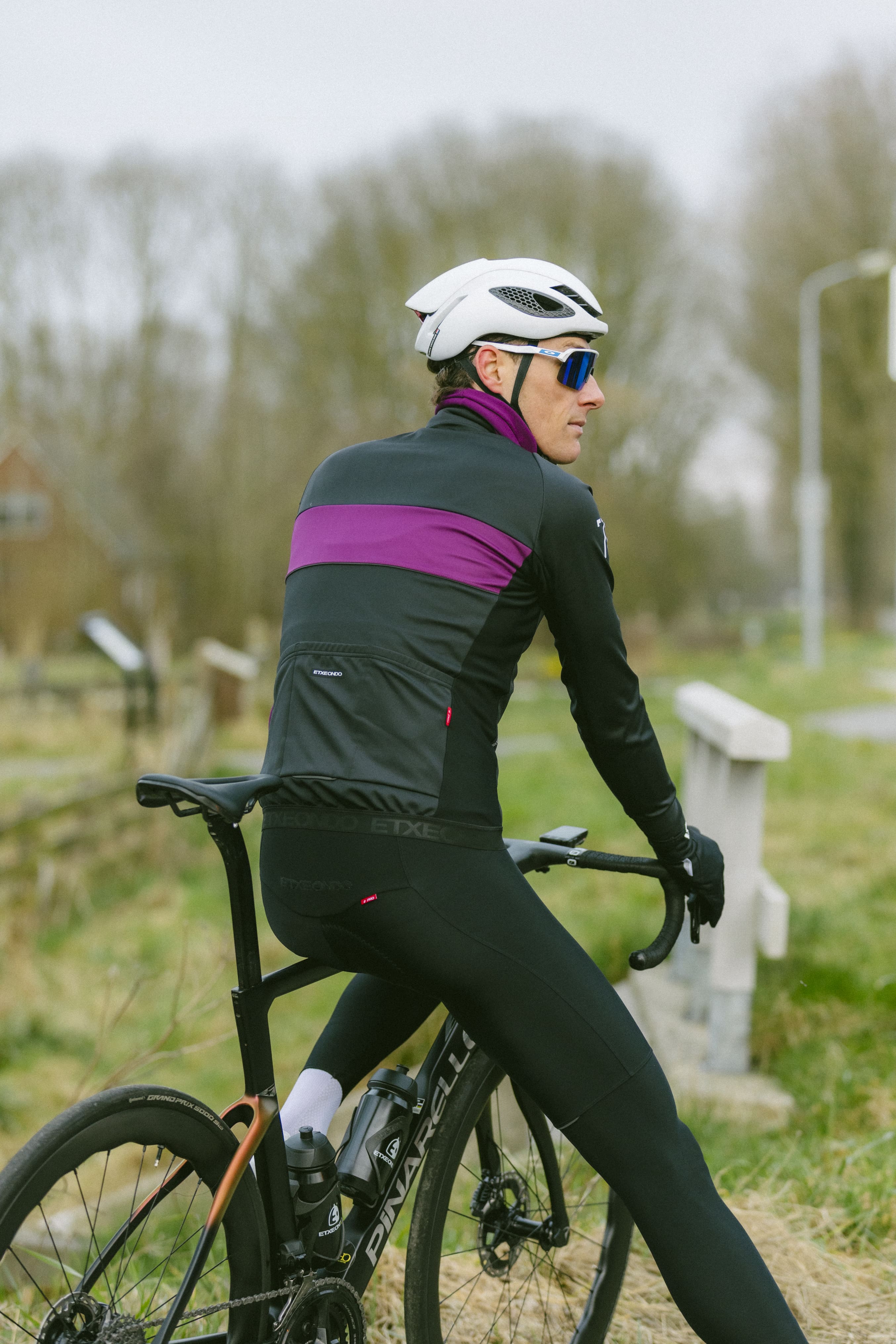
Dena: This jacket is the most versatile in the collection and a garment frequently used by professional cyclists (even in its short-sleeved version). It features Windstopper technology and offers excellent insulation for this temperature range.

Arri: This garment is distinctive, very elegant and visual, offering great thermal insulation, though without Windstopper technology.

Gaude and Urrun: Unlike the Arri, these jackets do feature Windstopper technology, designed for more consistent cold by blocking direct airflow.

Legs: Standard Thermal Bib Shorts

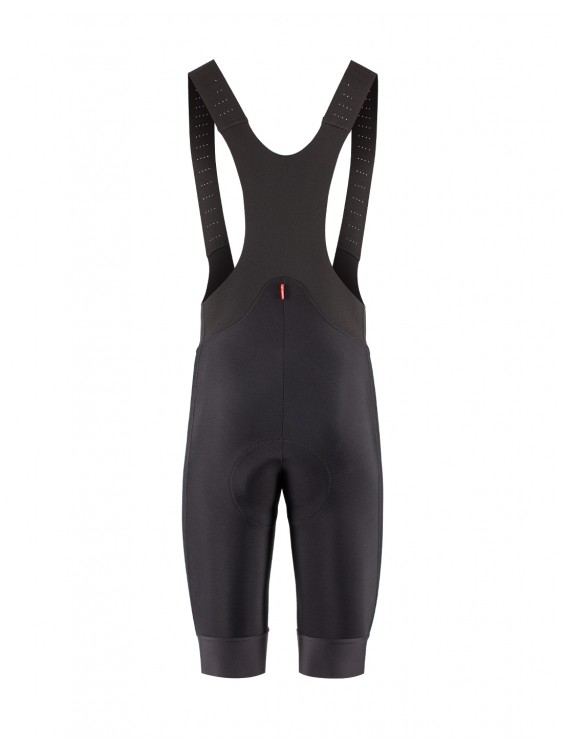
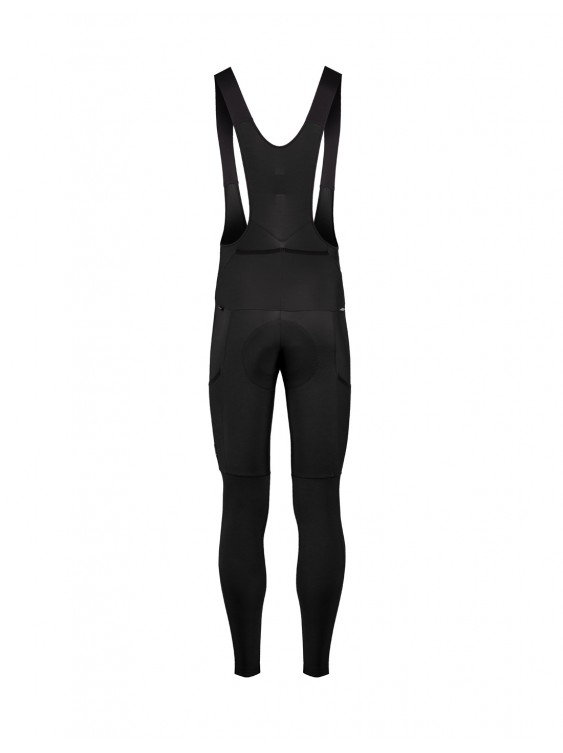
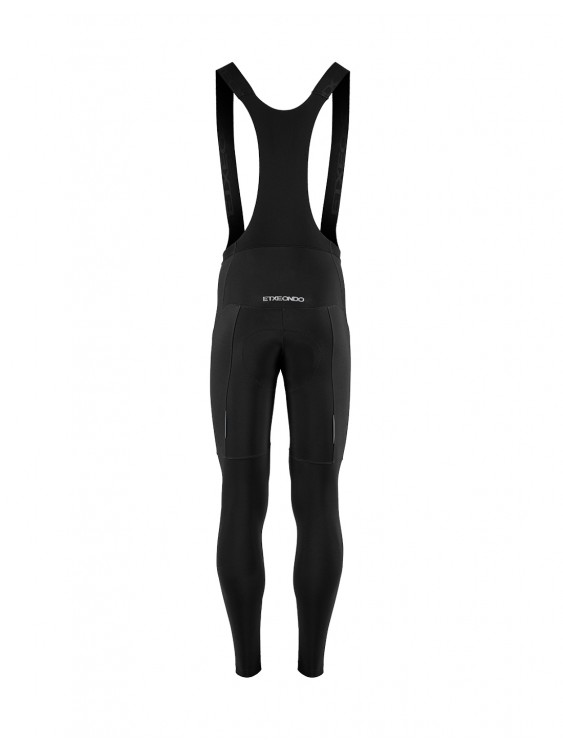
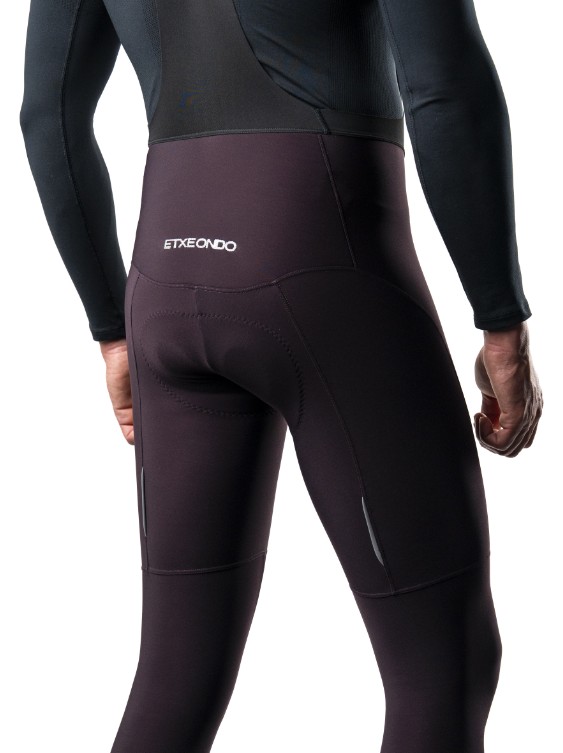
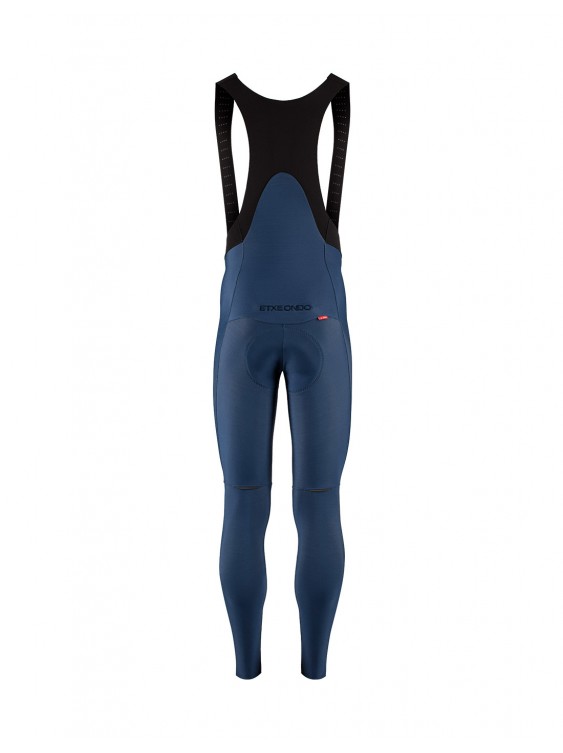
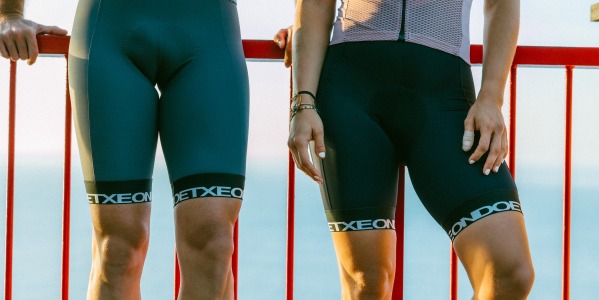
Orhi Thermo (Long): It is widely considered our flagship winter bib tight. It offers the best balance between comfort, insulation, and fit for most winter conditions.

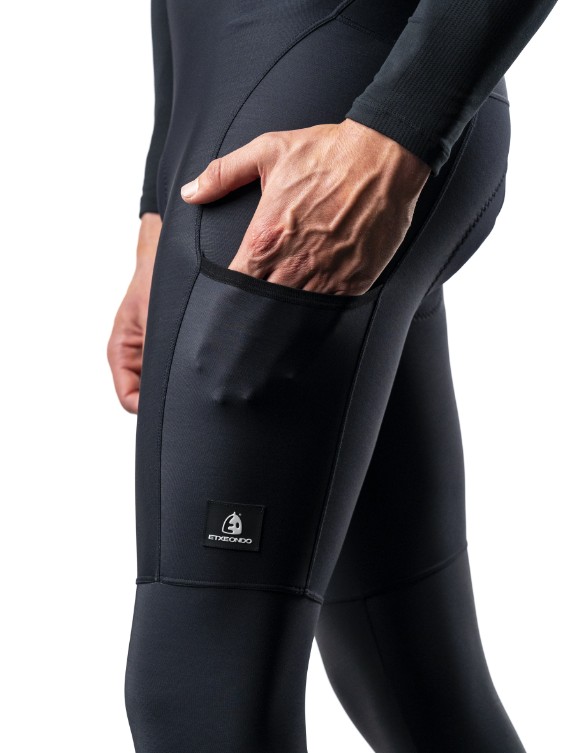
Kom Thermo and Exo Thermo Adventure: High-performance thermal alternatives. The Exo Thermo Adventure stands out for the incorporation of extra pockets, ideal for long rides or Gravel.

Phase 3: Intense and Extreme Cold (7ºC or less)

For the harshest climates and lowest temperatures, we need total protection that combines the thickest base layer with the most protective jacket.

Torso and Sleeves: Maximum Resistance

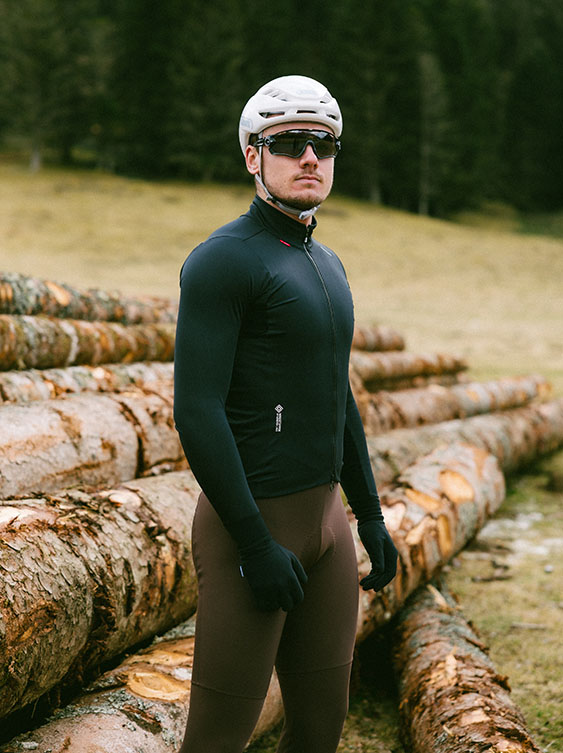
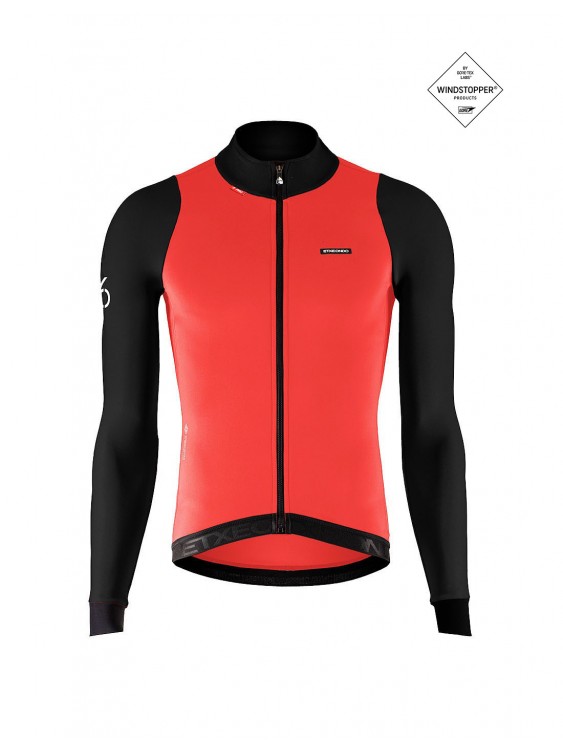
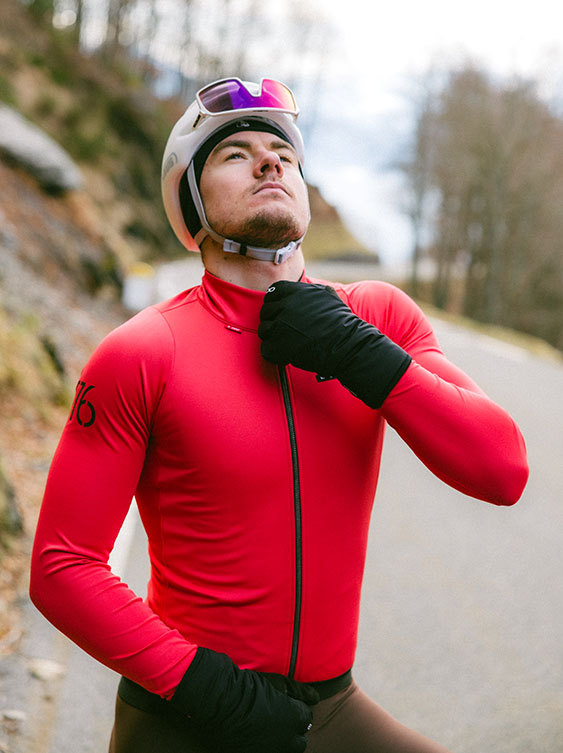
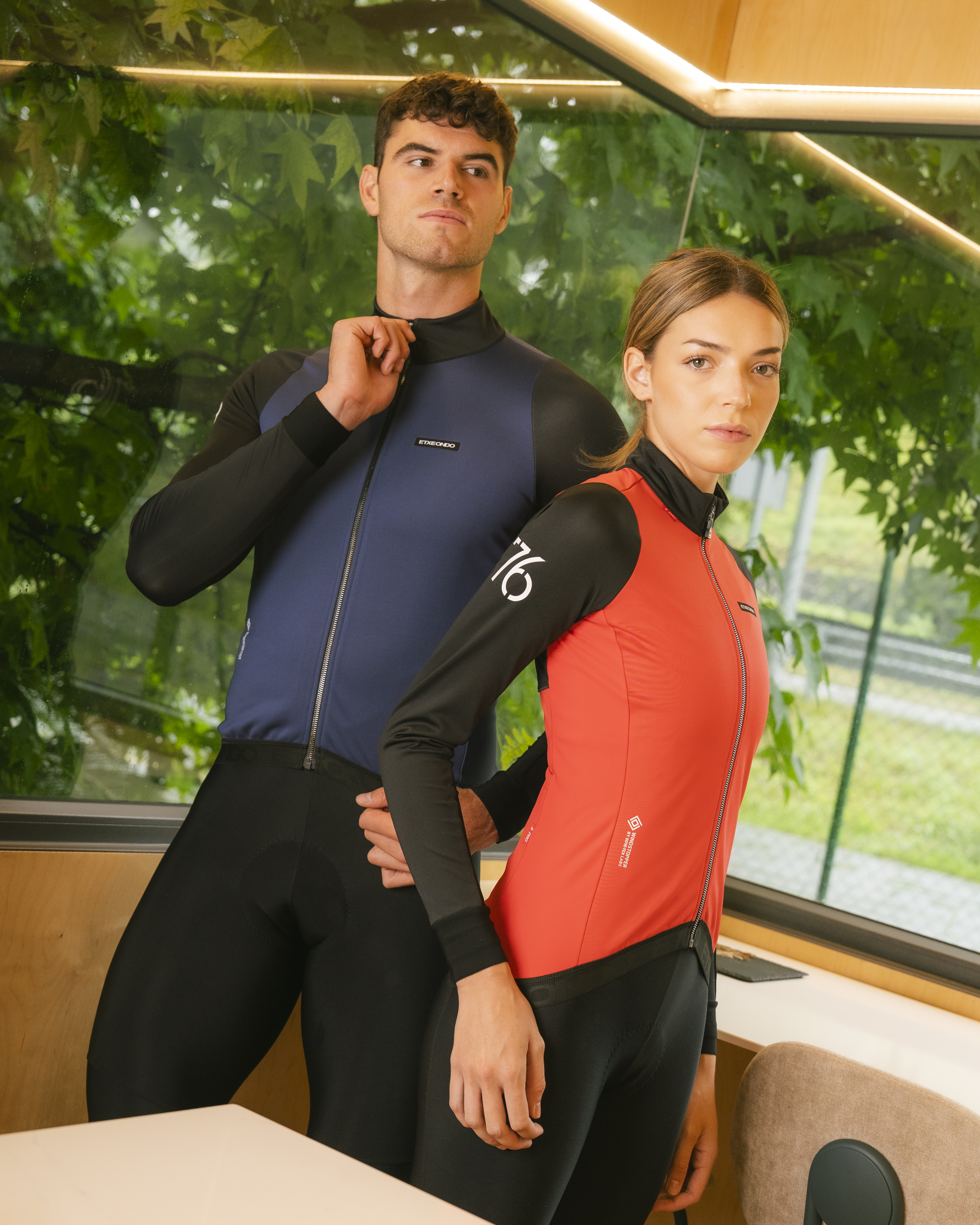
76: This is the jacket prepared to withstand the coldest temperatures. It is the top choice for harsh winter, offering maximum insulation and wind protection.

Legs: The Definitive Reinforcement

Gamu (No Pad): For those who feel the cold the most or for sub-zero climates. This tight is worn over your bib shorts (long or short), acting as a shell layer that seals in heat and aggressively blocks cold and wind.

The Defense of the Extremities: Accessories

A good main kit becomes perfect when you pay attention to the details. Extremities are the points where the most heat is lost, so protecting them properly is essential to enjoy winter with comfort and performance.

1. Head and Neck

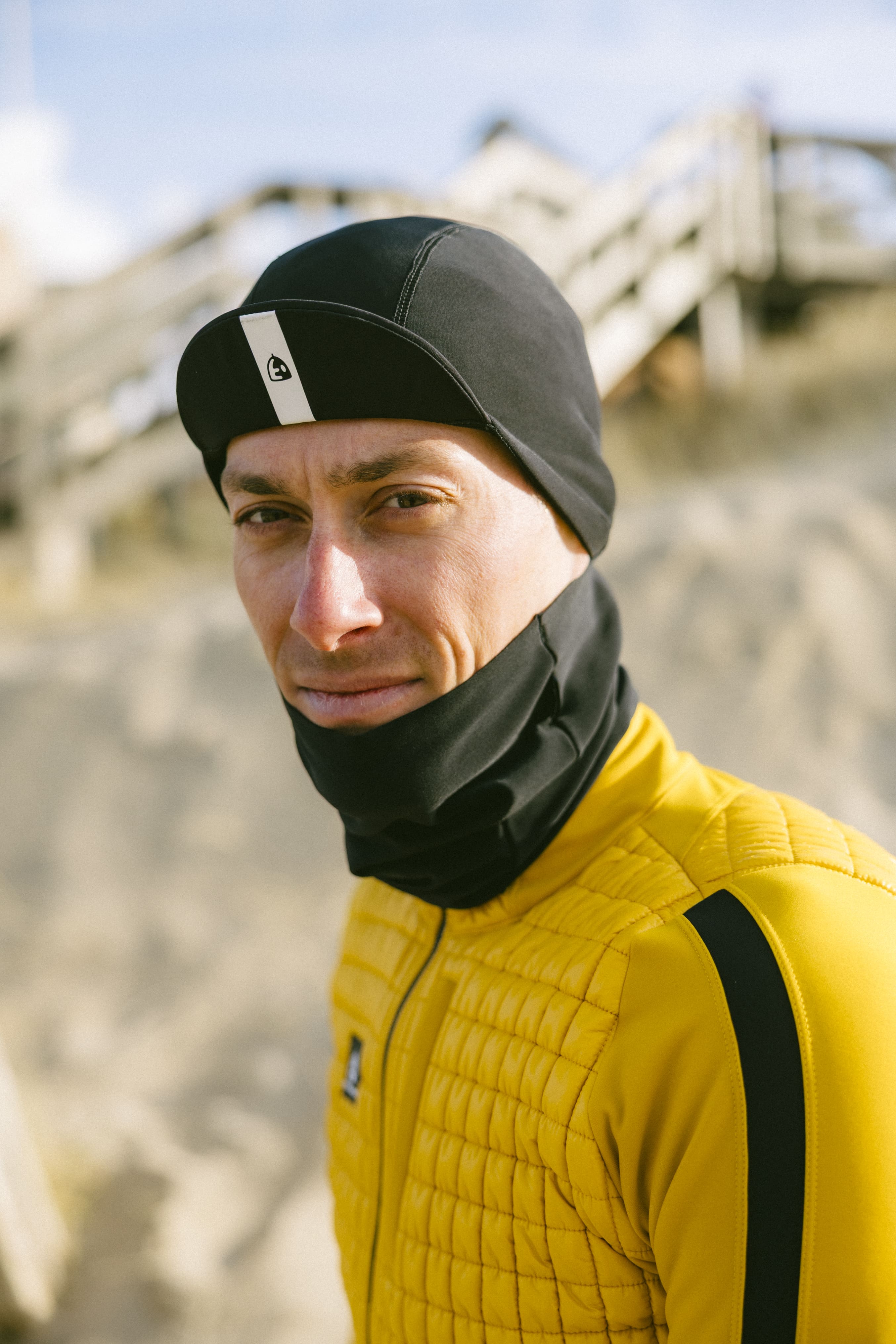
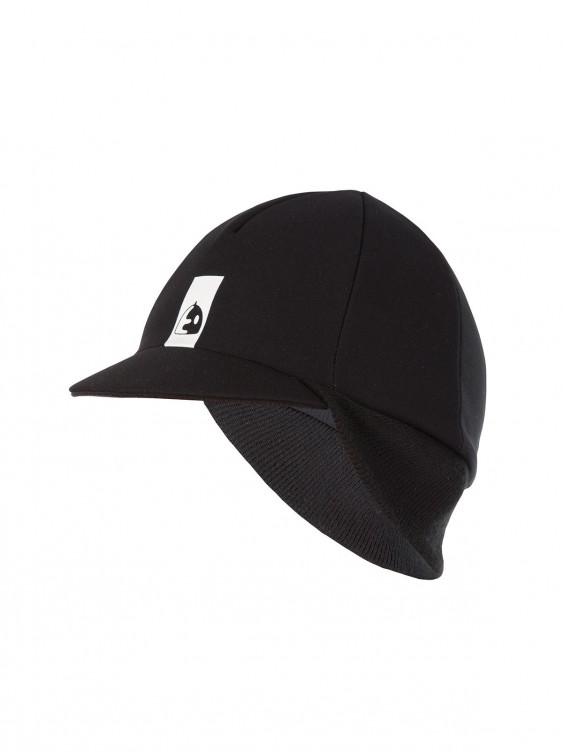
Head: You need caps or headbands that cover your entire head, your ears, or both simultaneously.

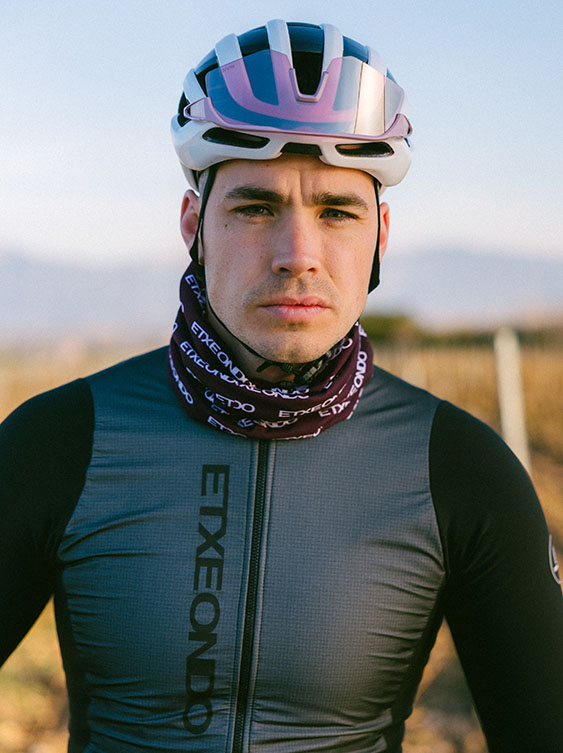
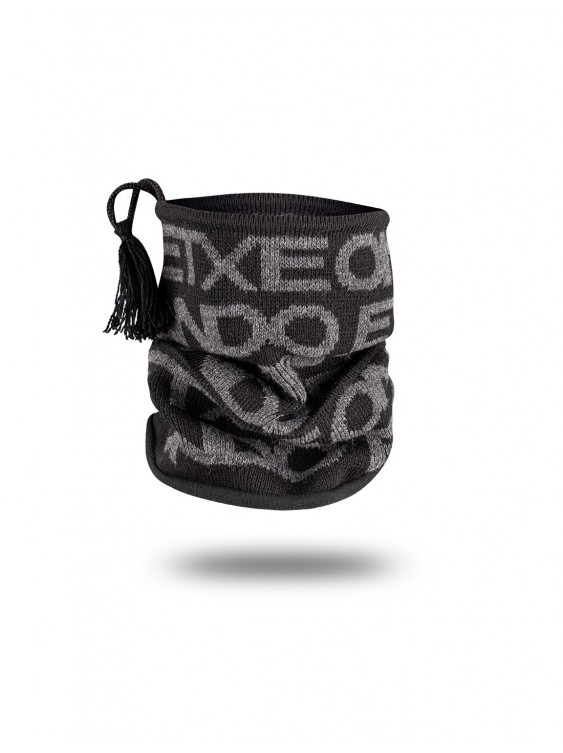
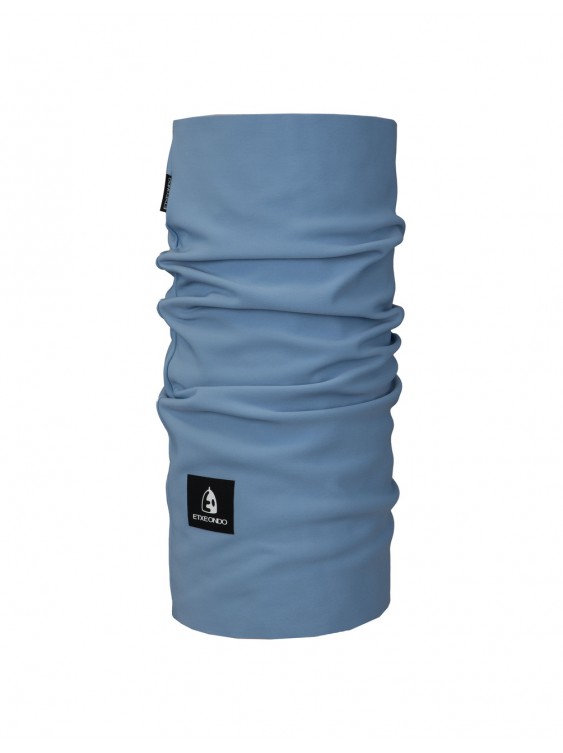
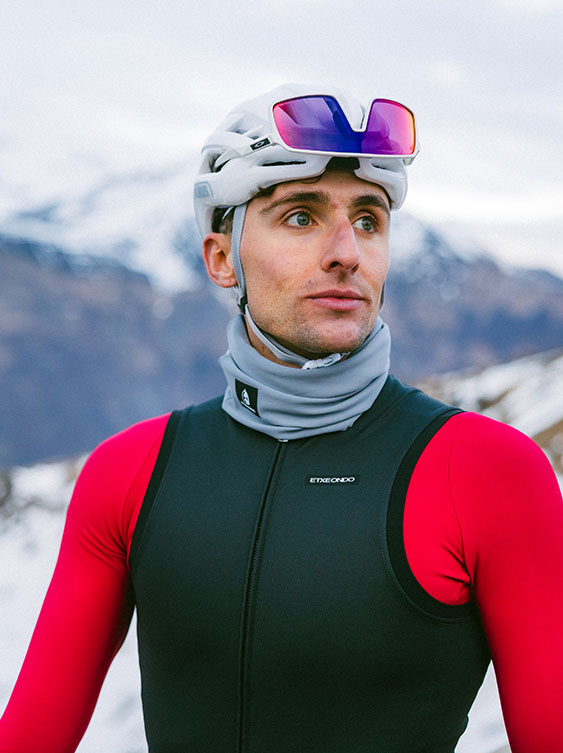
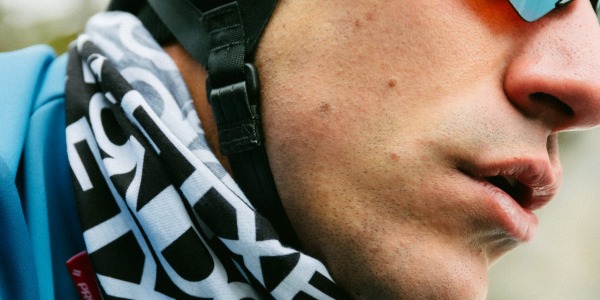
Neck: It is important to cover this critical area. There are various options (neck gaiters, tall collars, etc.) that vary depending on the temperature or personal tolerance for the cold.

2. Feet

This is the most critical part and the one that generates the most debate, as tolerance to cold feet is entirely personal.

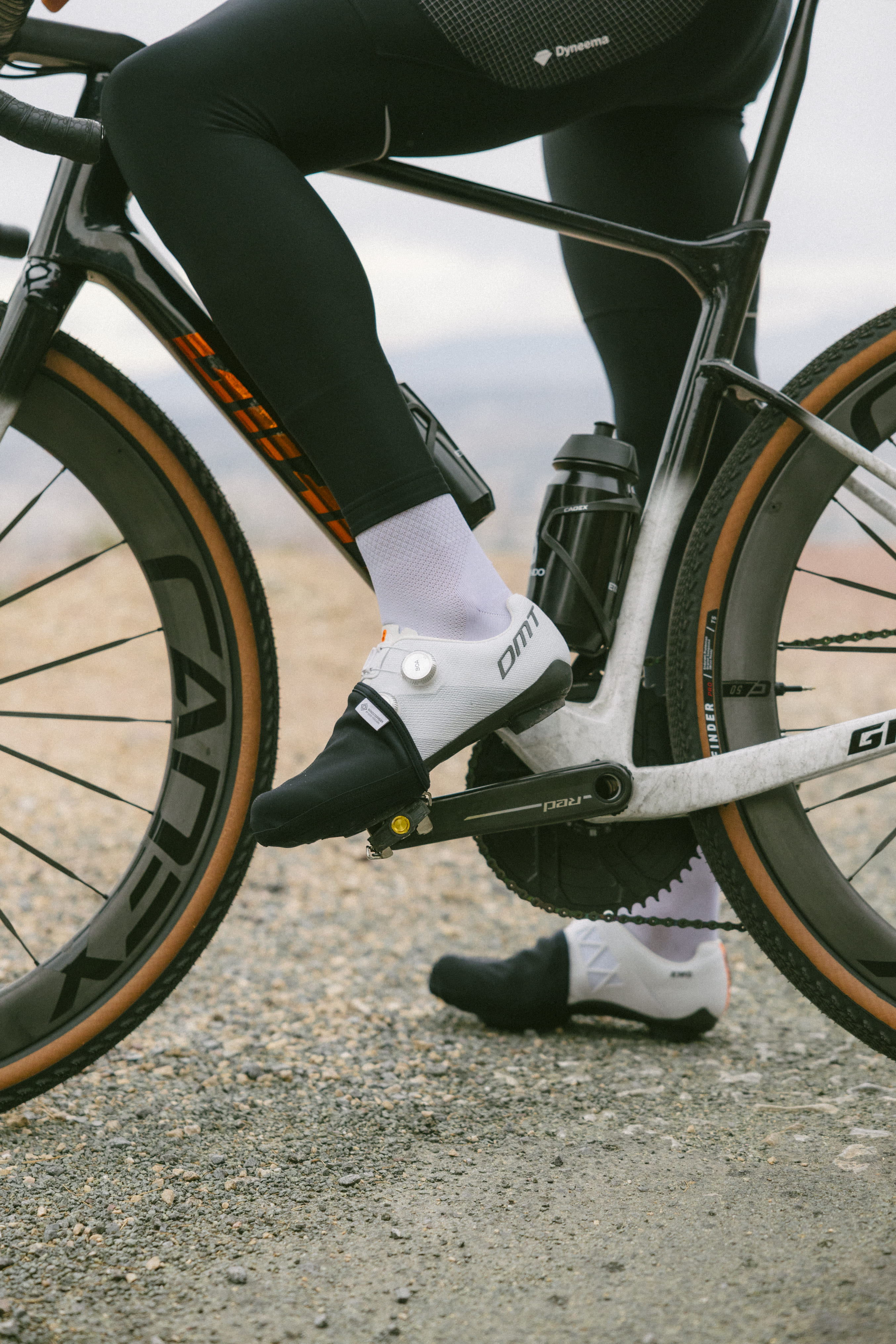
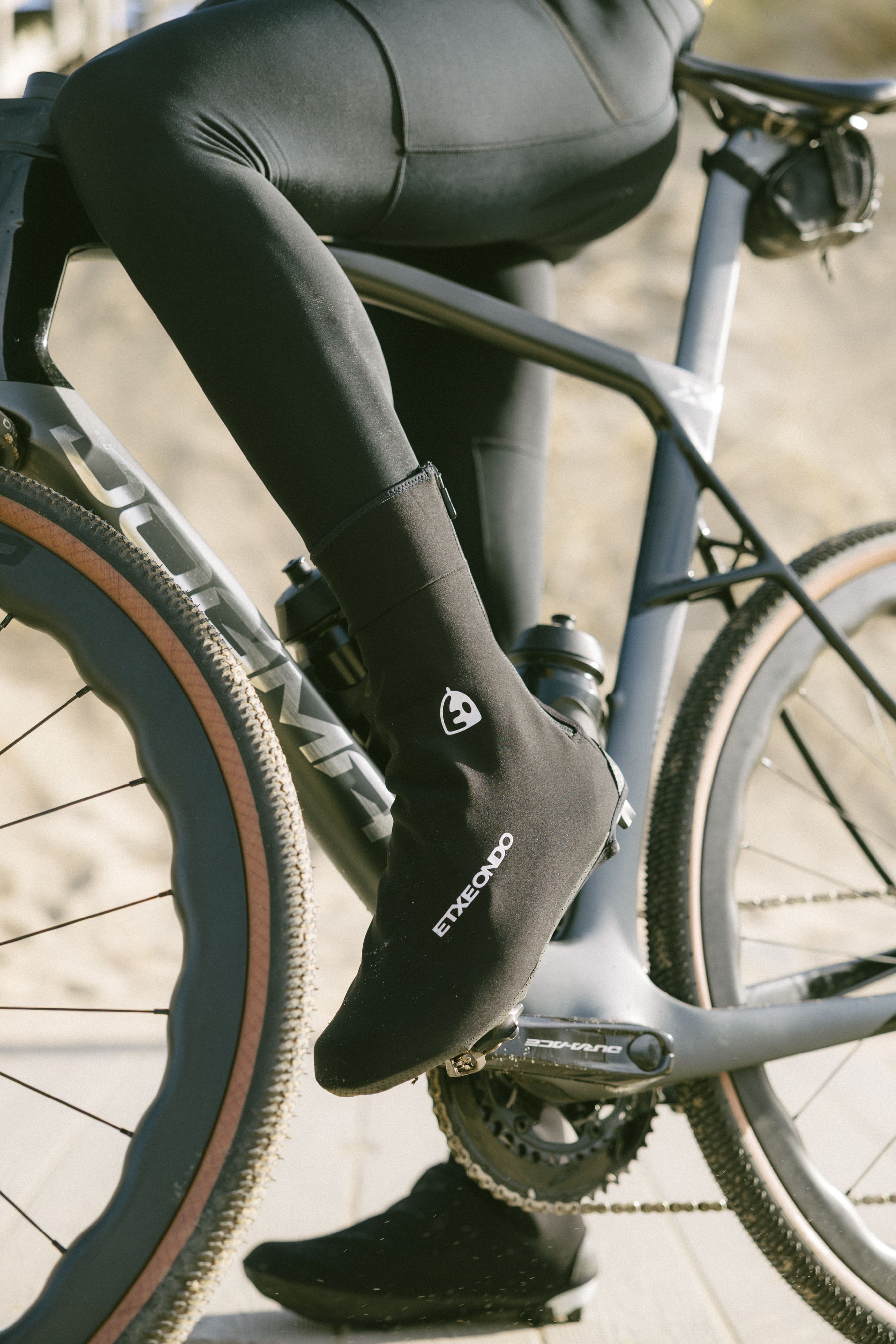
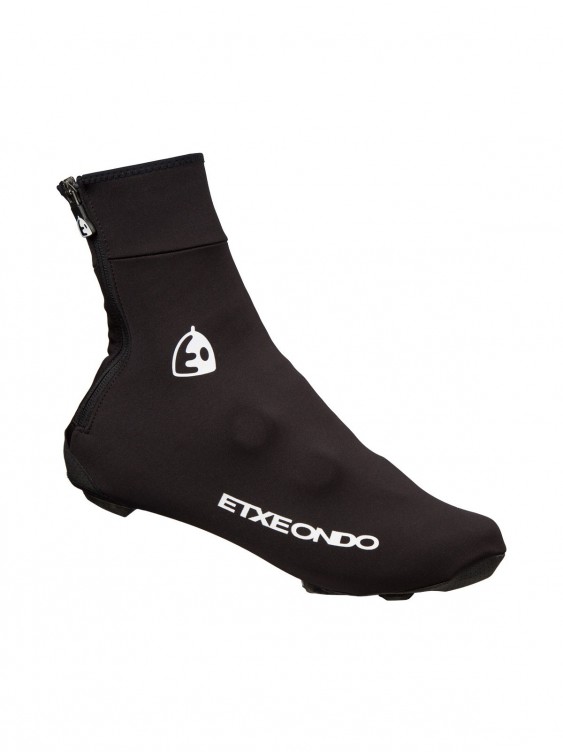
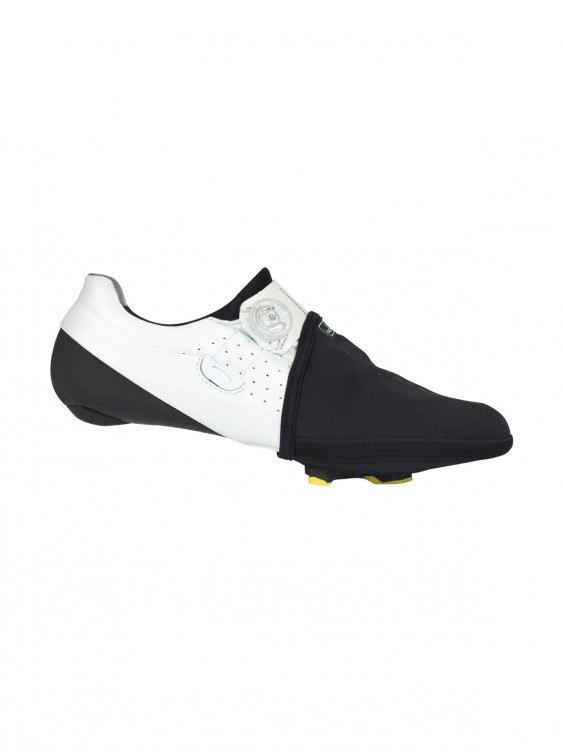
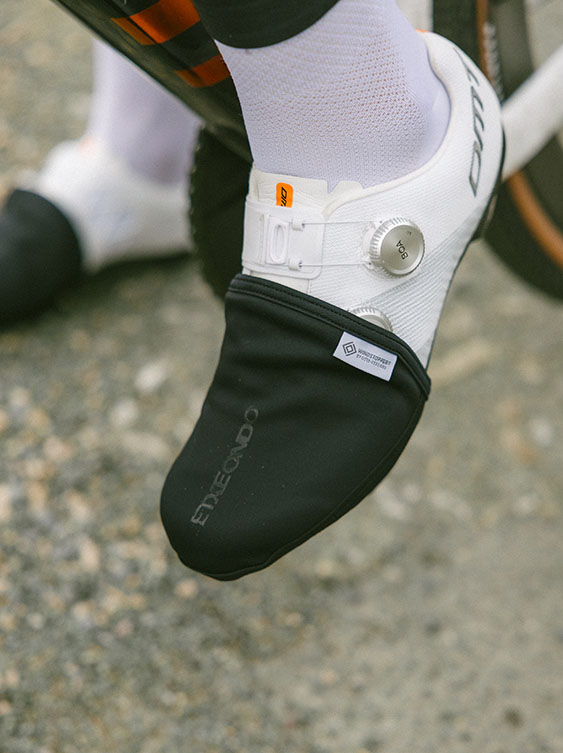
Overshoes and Toe covers: Different overshoe options have been designed for various temperature ranges and conditions. Toe covers are ideal for intermediate conditions, providing protection without the bulk of a full overshoe.

3. Hands

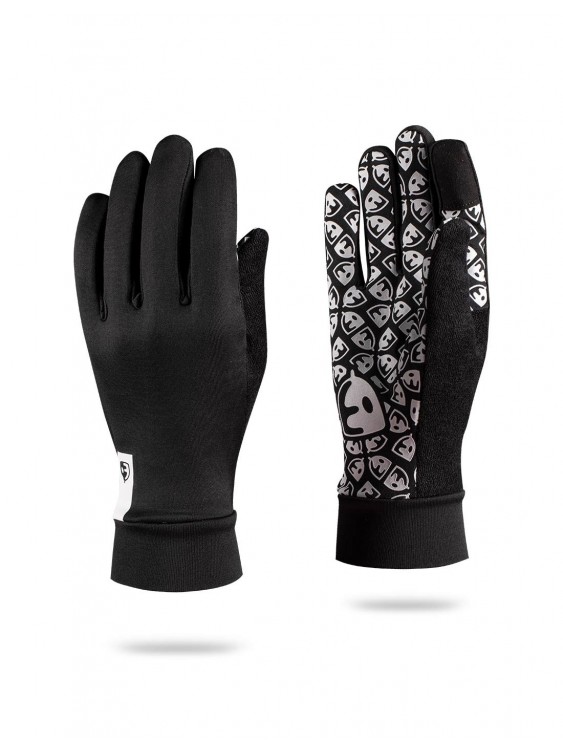
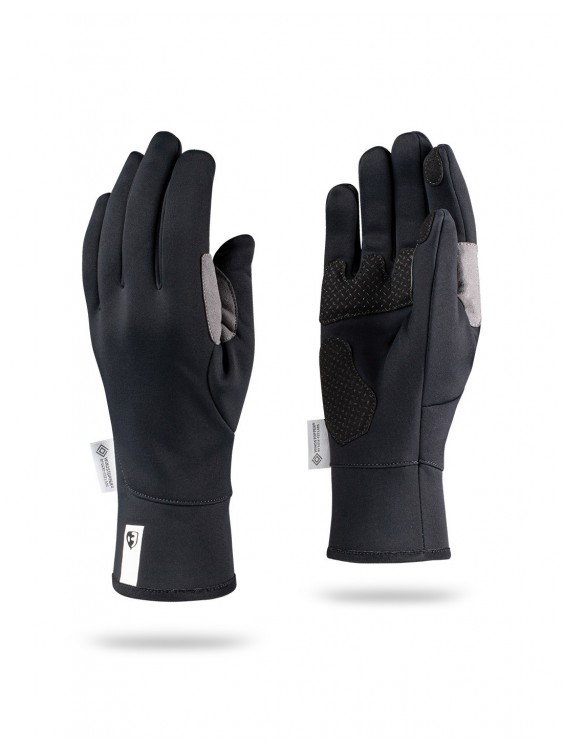
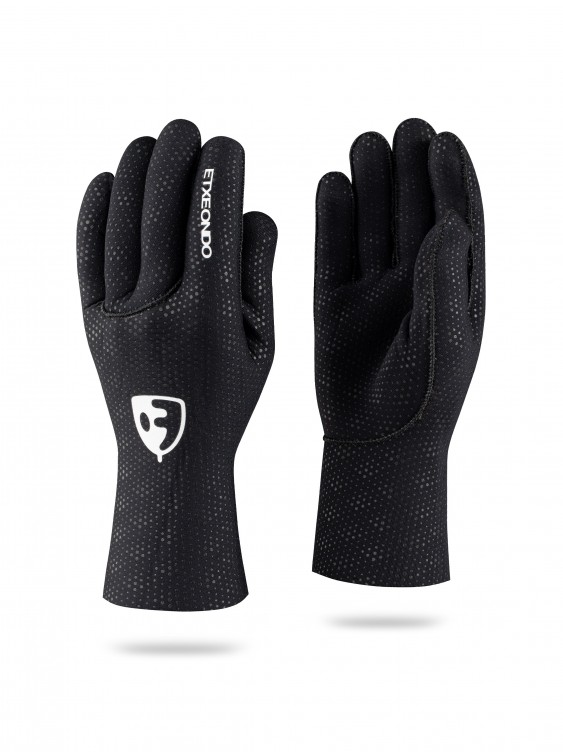
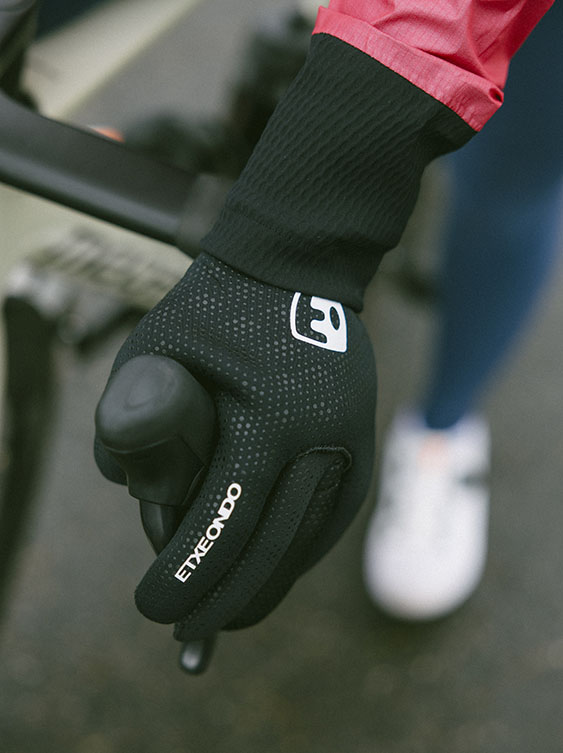
The same applies here as to the feet; everyone tolerates the cold differently. Therefore, there is a wide range of gloves (thin, thermal, waterproof) for all tastes and conditions.

Thermo and Thermo Beti: Both are ideal for intermediate cold conditions, offering a good balance of insulation and control on the handlebars.

Esku: Designed for slightly colder conditions, when additional insulation is needed to maintain comfort on longer rides or early in the morning.

Negu: These gloves are perfect for rain, providing excellent protection against water and humidity, in addition to thermal insulation.

¿TE HA GUSTADO?

Suscríbete para no perderte ninguno de nuestros artículos aquí

TAMBIÉN TE PUEDE INTERESAR

Guía de cómo vestir este Otoño-Invierno 24/25 How to choose the right cycling jersey? A complete guide

Each jersey, a piece of craftsmanship: technology, precision, and elegance

Read more
Guía de cómo vestir este Otoño-Invierno 24/25 Summer cycling bib shorts guide: how to choose the best?

Local production and top quality for cycling bib shorts that deliver performance, comfort, and enjoyment

Read more
Guía de cómo vestir este Otoño-Invierno 24/25 WHAT TO WEAR FOR A GRAN FONDO

Dressing well means riding better

Read more
VOLVER A LA MAGAZINE
Added to the comparator
No more products can be compared.