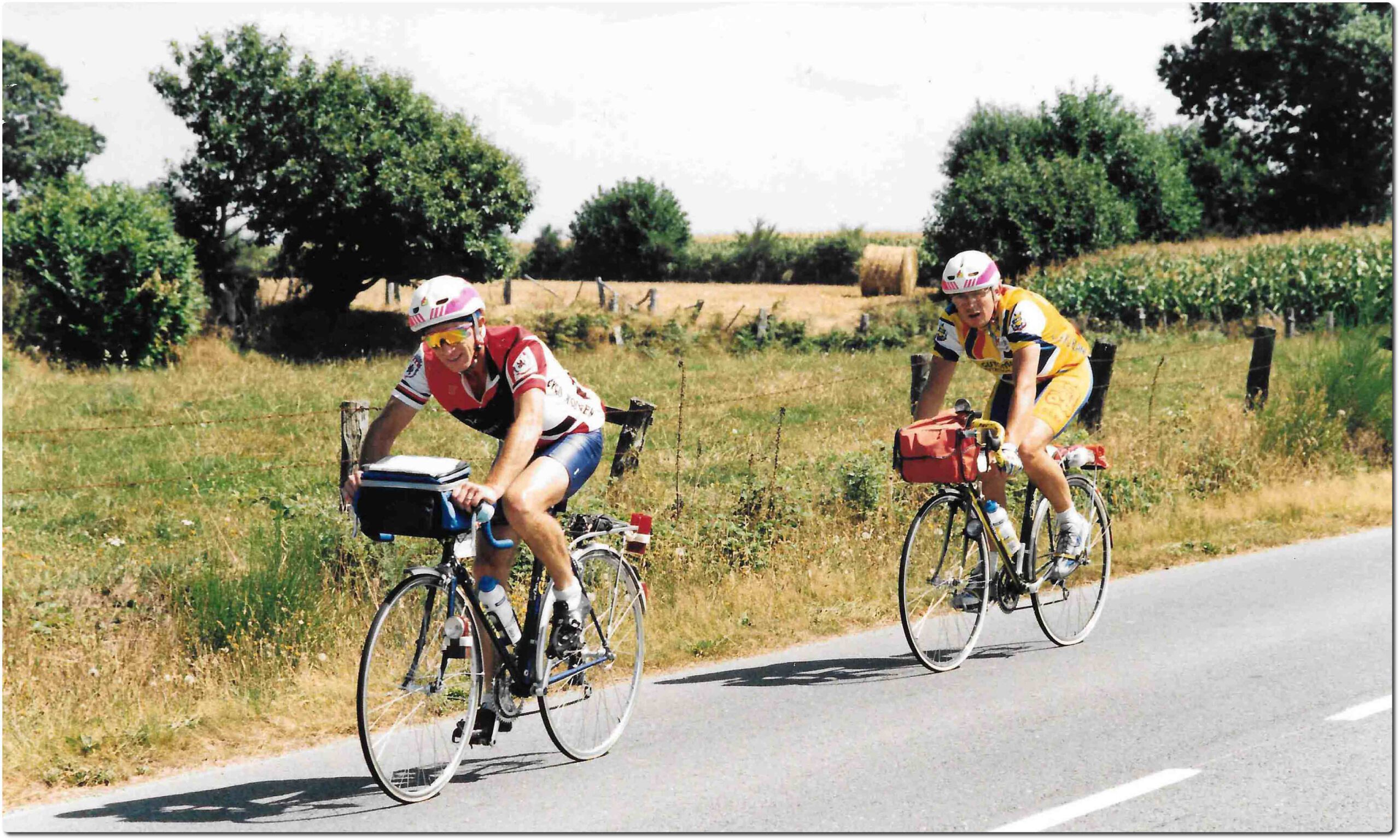
For his second participation, in 1991, Guisasola prepared meticulously. He carried on working in his medical practice, escaping only on Wednesday afternoons to ride three hundred kilometres and return home in the early hours. On weekends he’d clock up five hundred kilometres. Four days before Paris–Brest–Paris, though, disaster struck when he thought he was stepping out onto a sunkissed terrace in Artajona (Navarra) and instead walked straight into a floor-to-ceiling window. The glass shattered and large shards buried themselves in Guisasola’s skin. He was taken to hospital wrapped in towels. After doctors had painstakingly removed the glass, they stitched up his legs, arms and tongue.
“Four years preparing for the event and then that happened a few days before… I didn’t want to give up. I had to try, whatever it took. The next day I rode from Artajona to San Sebastián, 150 kilometres, all stitched up and bandaged. I thought that if I could do those 150 kilometres, I could do a few more.”
And he did. He completed Paris–Brest–Paris. Fading in the last few hours, because of the discomfort and fatigue, but still improving his personal best time, to 48 hours and 38 minutes.
“I finished tired but feeling pretty good. Despite the stitches, I was quite comfortable. The clothing helped enormously: when I finished I didn’t have that desperate urge to take off the bib shorts because I couldn’t stand them anymore. I had no chafing, no sores, nothing. Of course everyone ends up with some numbness — the perineum from saddle pressure over so many hours, the wrists from the handlebars — you can’t avoid that. But otherwise, that year the clothing was crucial in minimising discomfort.”
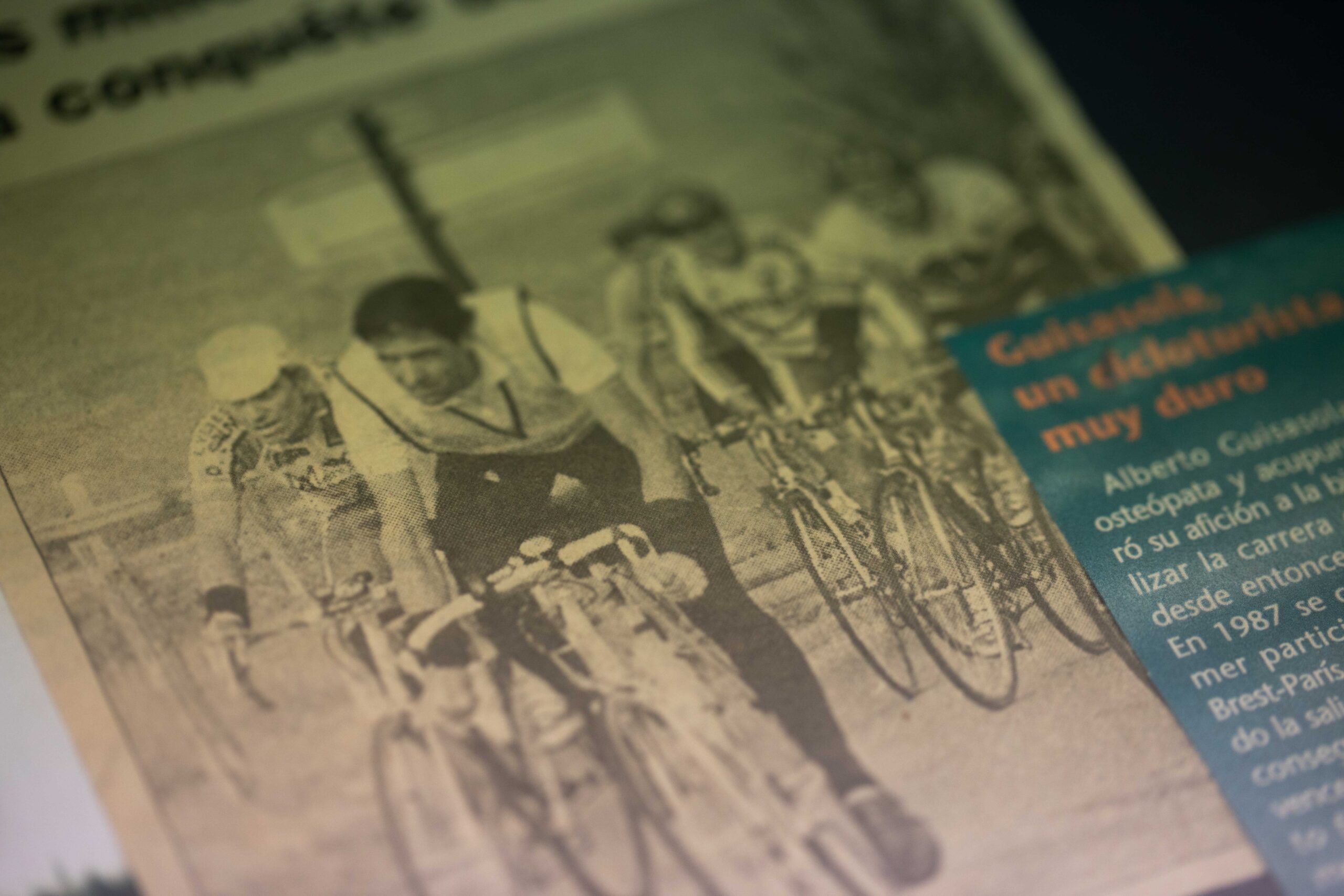
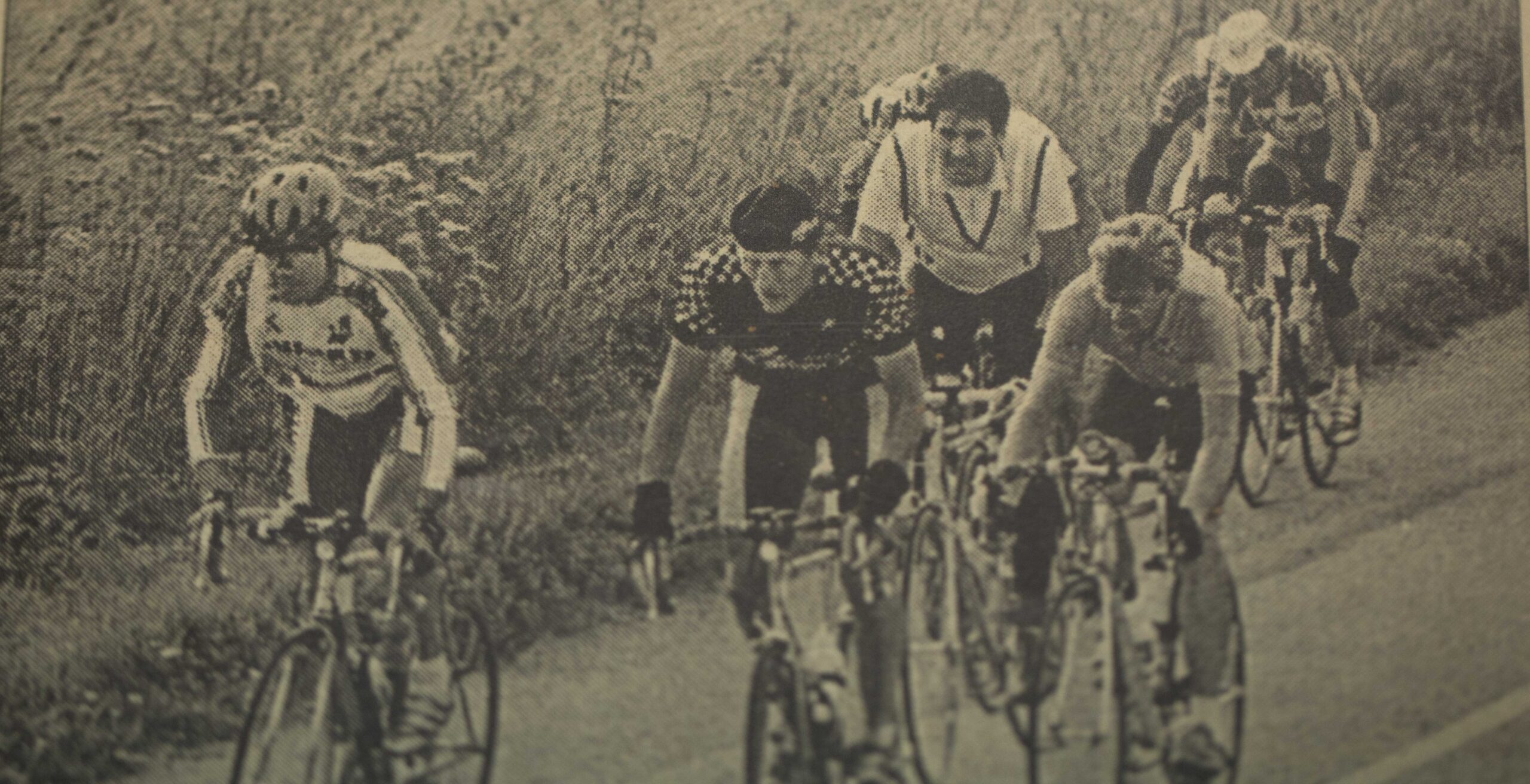
Finally, it was a case of third time lucky, for, in 1995, Guisasola broke the event record. With a brisk tailwind helping them, the leading riders covered the 620 outbound kilometres in just nineteen hours. On the return leg they worked together to combat the headwind.
“With four hundred kilometres to go there were nine of us left at the front. We calculated that if we stayed together to the finish, taking turns, we could break the record. In the final two hundred kilometres we averaged 34 or 35 km/h. It’s incredible how the body responds when you train it properly, when it’s well fed and well hydrated: after a thousand kilometres, you can ride two hundred at the same pace as if you were starting fresh.”
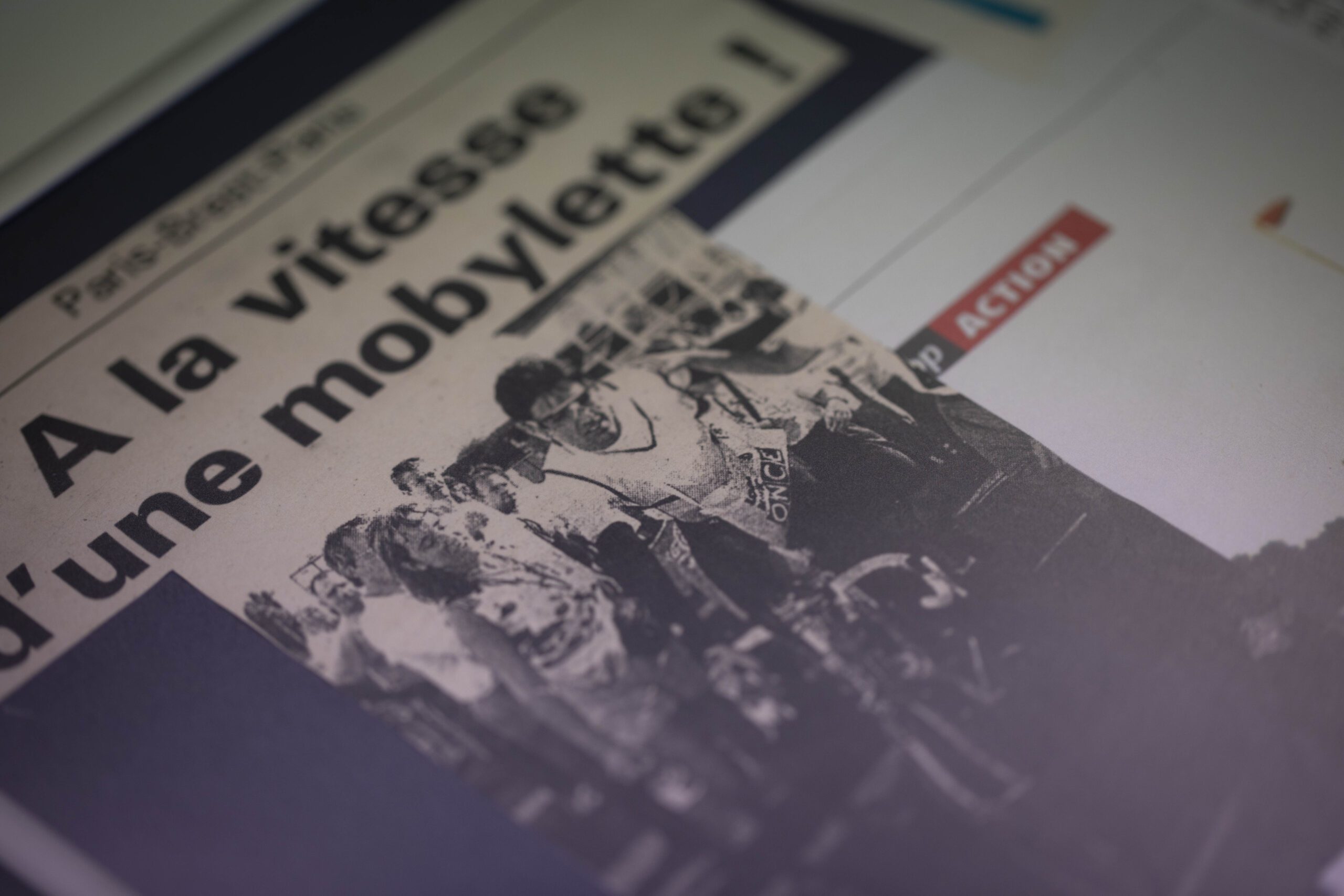
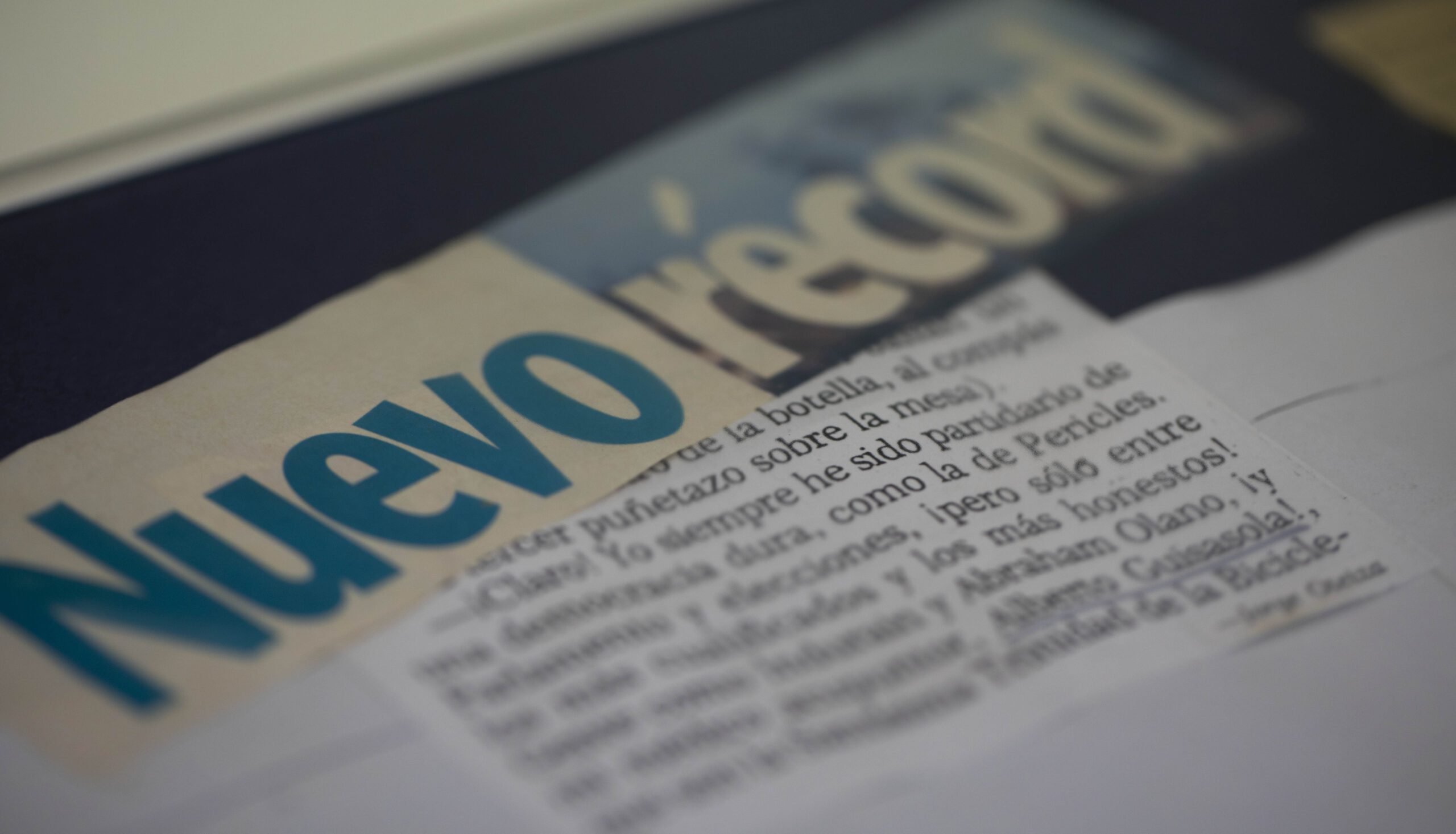
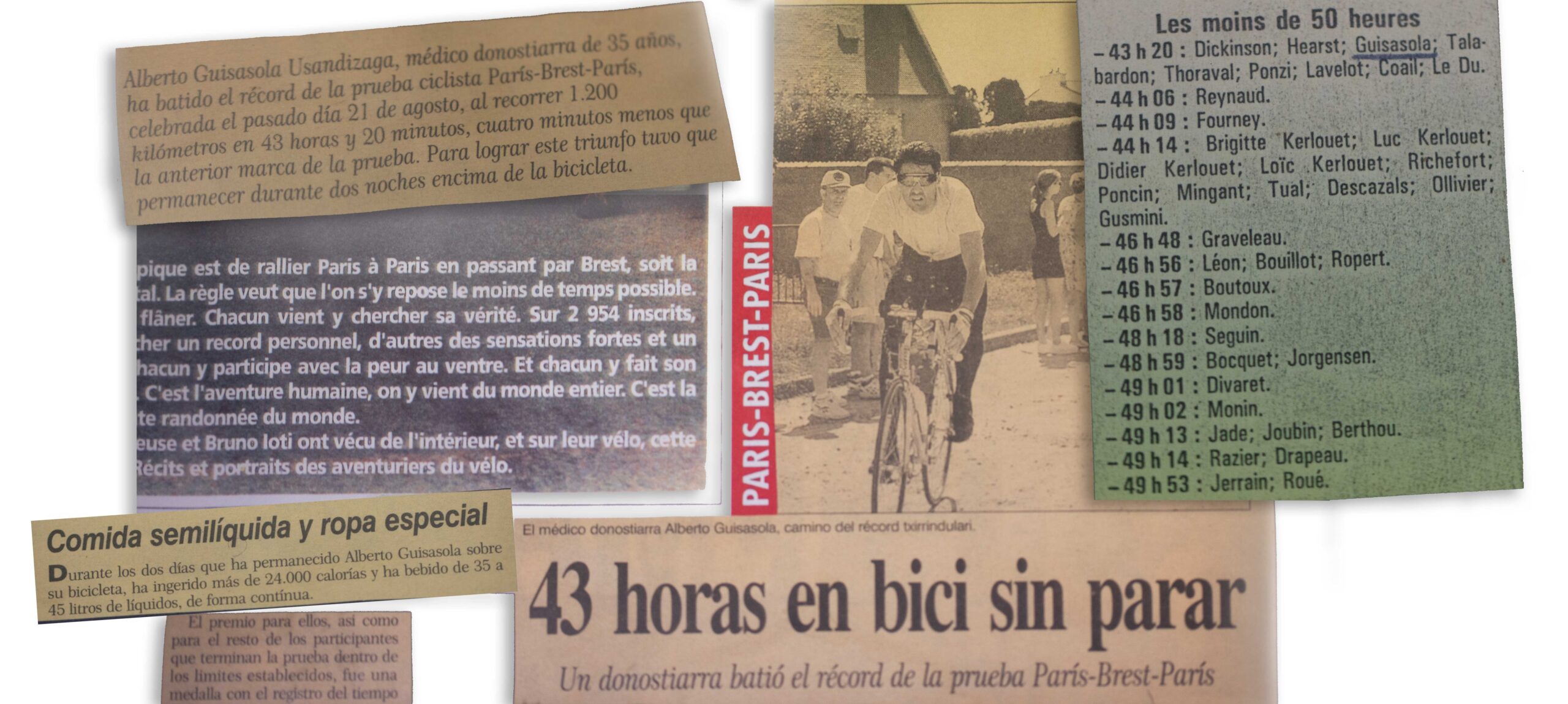
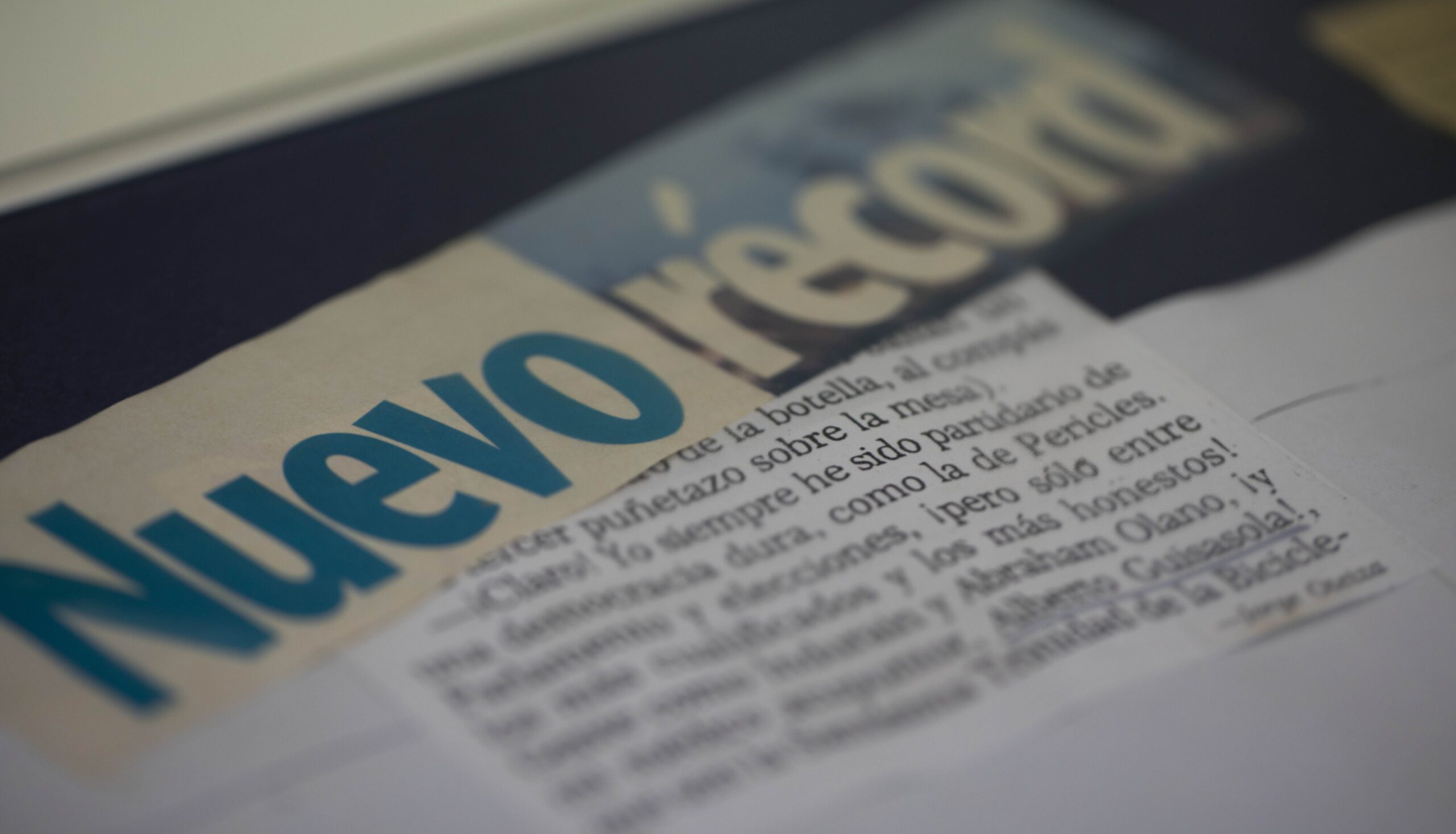
The nine riders — six French, two Americans and Guisasola — swept into Paris together and eventually set a time of 43 hours and 20 minutes. Since then, only eight riders have gone faster, all in the 2015 edition, led by Bjorn Lenhard with 42 hours and 26 minutes.
Guisasola has not returned to Paris–Brest–Paris, but at 62 he says he still feels young and may yet ride the event again in future — that’s if he hasn’t found another outlet for the same powers of endurance he discovered and developed there.
“Paris–Brest–Paris helps me every day. In the end, you train your ability to push beyond your limits, to endure in bad moments, to become stronger. That serves you in life’s hard times. And it’s curious: I still have dreams where I’m pedaling towards Paris.”



 ROOTS AT HOME, BRANCHES OPEN TO THE WORLD
 The Evolution of Excellence: Etxeondo’s New Spring/Summer Collection
 Alde Metalic, Design und Leistung vereint in einem Trikot.


Comments (0)