Connexion

MAY 2026

ROOTS AT HOME, BRANCHES OPEN TO THE WORLD

by Ander Izagirre

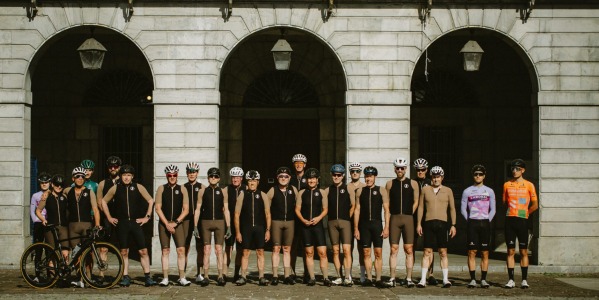
While expanding internationally, Etxeondo also took care to maintain and nourish its deep roots in its home region, supporting the growth of teams such as Kern Pharma and the new Euskaltel-Euskadi. In 2026 the company celebrates its fiftieth anniversary while ushering in a new phase in the company’s history and renewing its commitment to sustainable growth, a strong historical identity and the enduring quality of its cycling kit.  

Juanjo Oroz, who had just turned ten, was wowed by the ravines of the Aubisque, had loved sleeping with his family in tents at Luz Ardiden, and was delighted to see the Tour in person for the first time.

“Suddenly Induráin appeared, this hulking figure, twice as big as the others. He went past in the lead with LeMond and Lejarreta. We shouted, cheered him on… and he won the stage. We were beside ourselves.”

Oroz remembers another detail from that first visit to the Tour. Both Induráin and Lejarreta, first and third in Luz Ardiden, one riding for Banesto and the other for ONCE, were wearing Etxeondo clothing. He hasn’t forgotten because he himself wore Etxeondo a few years later, when he rode for the Euskaltel team and took part in four Tours de France; and because in 2014 he insisted that the same brand supply kit for his riders when he began directing the Navarrese amateur team Lizarte. In 2020 the team graduated to the professional ranks thanks to Kern Pharma’s sponsorship. This coming-of-age moment mirrored Orbea’s in the early 1980s, the first team Etxeondo ever worked with.

“If we’d made decisions based purely on cold business logic, we would never have joined the Lizarte and Kern Pharma projects,” explains Patxi Rodrigo, Etxeondo’s general manager. “We were already working with World Tour teams, we had spent decades providing kit for the elite of world cycling, so in purely numerical terms we didn’t need a project like this… but we loved it. A project set up in our backyard to develop young riders, run by staff who have spent their whole lives in the sport, who are like a family, with a great atmosphere and real ambition… We love going on a journey with teams like that and growing with them, because that’s in Etxeondo’s DNA.”

Kern Pharma were given a “wild-card” invitation to ride the 2024 Vuelta a España. The most modestly funded team in the race proceeded to win three stages against the best riders in the world.

“There were many incredible moments, but one stayed with me,” Patxi recalls. “Urko Berrade won a stage in Álava and went straight to hug his parents, who were waiting at the finish almost in tears. Urko’s parents, the team staff, the directors, and Oroz himself all collapsed into each other’s arms, thanking one another… They’d all known each other since Urko was a junior, they were basically a group of friends. And that spreads to the public: people were really connected emotionally to the Kern Pharma story. They were the heroes of the moment.”

“I fell in love with cycling because of emotions like the ones I felt as a kid in Luz Ardiden,” says Oroz. “And I’m convinced that our job is to give people those same feelings.”

THE EUSKADI TEAM RETURNS

Those years also brought other important developments in Basque cycling. On 14 December 2017 the Euskadi Foundation posted a photograph on its social media that immediately went viral: an Etxeondo machine sewing an orange jersey bearing the words Euskadi-Basque Country. Was the team with those iconic orange years about to come back?

Mikel Landa, an idol for Basque fans, had taken the reins of the Euskadi Foundation to revive a project that had inspired bike race lovers in the Basque Country and beyond. The team had also given Landa his own start in professional cycling. Landa suggested Orbea and Etxeondo, two leading brands from the region, join the project as sponsors and suppliers. Euskadi was reborn in 2018 as a modest Continental-level team in a sport now dominated by multimillion-euro teams sponsored by nation states and global corporations, with little room for small players. Despite the challenges, Etxeondo jumped straight in.

“How could we not be a part of a project that could mobilise an entire country?” says Patxi Rodrigo. “My father’s eyes lit up when he heard, because he had made so many friends and experienced such great moments during Euskaltel’s golden era. Amaia and I were equally excited, because it was what we had grown up with: going to races dressed head to toe in orange, cheering for our local riders in the Tour…”

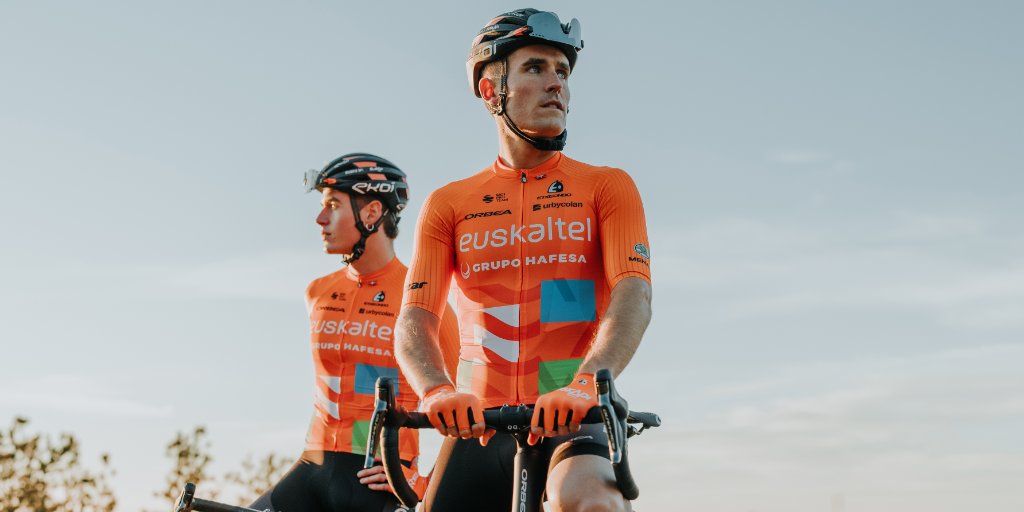
Etxeondo set about creating a new visual identity for the Euskadi team, a fresh image for a new era… but with a familiar look and certainly colour.

“Orange, of course. Euskaltel wasn’t the sponsor at that moment — it would return a few years later — but that colour is an extremely strong symbol of identity. Our foreign partners told us the same thing: you have to race in orange, it’s the colour of the Basques…”

The team rose to ProTeam level, the second division. Suddenly riders coming through the Basque development system had a pathway to the Vuelta a España, the classics and other major races.

“That’s why Etxeondo decided to take part. It was a homegrown project, with someone of Mikel Landa’s stature as its driving force. He’d thrown himself into it out of pure passion, generously creating opportunities for young riders like the ones he himself had been given. All around us, people were excited.”

THE DIGITAL LEAP

The sculptor Eduardo Chillida once said he felt like a tree: “With roots in my country and branches open to the world.” Etxeondo’s involvement in projects like Euskaltel-Euskadi, Lizarte and Kern Pharma was another way of feeding and standing firm in those roots during a period of international expansion.

The brand had experienced significant growth in the Netherlands, thanks to its work with teams such as Rabobank, Giant-Shimano and Sunweb. But it also encountered a problem: although the kit was available in around a dozen retail outlets, not enough people who wanted to buy Etxeondo clothing could get to one of these shops and actually find the products.

“To reach all those interested customers we needed a direct sales channel,” Patxi Rodrigo explains. “And it had to be digital, because that’s where things were heading.”

A technological shift was coming, and Etxeondo had to adapt.

“Back in the day, you’d call a cycling magazine and say: ‘Look, we’re going to fax you a press release with our latest news…’ With websites and social media we had to learn to communicate directly with the public.”

“I actually opened Etxeondo’s Facebook page myself, without really knowing what I was doing,” Amaia Rodrigo, head of design and product development, remembers with a smile. “I’d been in New York taking a fashion course and saw that everyone and every brand had a Facebook page, so when I came back I created one. I posted some photos, a few messages… I didn’t really know what I was doing. We learned as we went.”

“There was a Tour — I don’t remember if it was 2010 or 2011,” Patxi continues, “when suddenly everyone had Twitter: teams, riders, journalists… And they said to us, ‘How can Etxeondo not be on Twitter? You have to open an account.’”

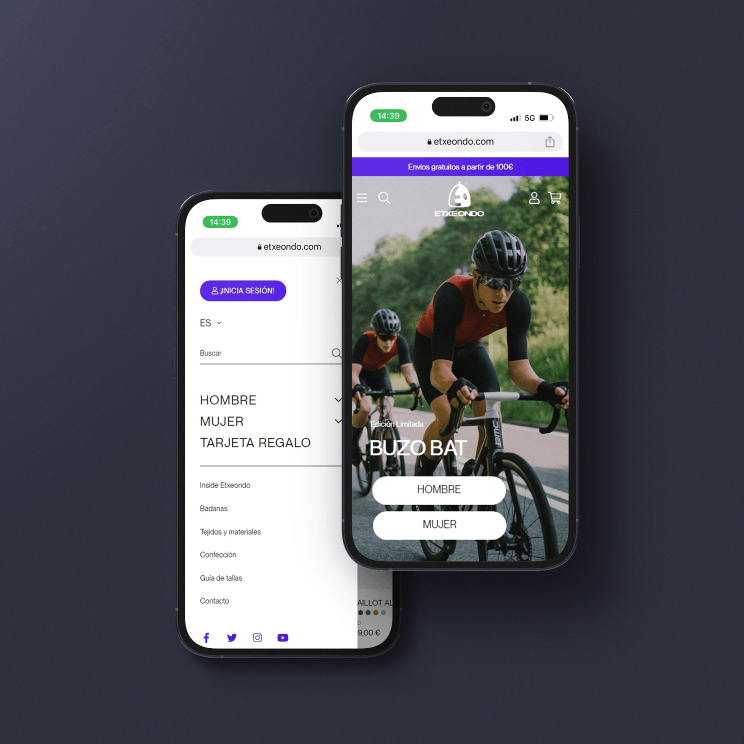
Etxeondo’s first website was very simple, with a few photographs of garments and contact details. Gradually they developed increasingly sophisticated versions. They also created systems enabling shops to place orders directly through Etxeondo’s website. They began selling on major digital platforms. And they built their own online store.

“We launched it in the winter of 2019–20,” Patxi recalls. “We had spent years prioritising international expansion, building awareness of the brand, investing in digital hardware. By February 2020 the new summer collection had already been shipped to the shops, we’d just finished building a very elaborate new website for online sales… and just as we were about to launch it, the Covid lockdown was announced. Close the company and everyone go home! We couldn’t believe it, after all the investment and all the work we’d done…”

“It was horribly stressful,” says Amaia, “because we had no idea what was going to happen. If nobody could buy or sell anything, were we just going to be stuck with the new collection and the new website and everything else?”

In the first days of lockdown they called all the shop owners who had ordered and received Etxeondo kit to reassure them, one by one.

“We had sent half the collection but of course we hadn’t been paid yet, and they couldn’t sell anything,” explains Patxi. “We told them not to worry, that we would extend the payment deadlines, that we would all get through it together…”

What had looked like a serious threat turned into a major opportunity.

“As soon as people were allowed out of their homes for a few hours a day, everyone went walking in the hills or riding bikes… We opened the website and orders started pouring in.”

“It was madness,” says Amaia. “We ordered huge quantities of fabric to make more garments. We all had to come into the factory to pack orders and prepare shipments… It was incredibly exciting.”

Etxeondo had one key advantage at a critical moment: it manufactured its garments itself, in its facilities in Irura and Castejón, meaning it could react quickly to extraordinary demand. Other brands producing kit in far-flung countries ordered large quantities but had to wait months to receive them — by which time the boom had already petered out.

The pandemic also brought a social change. People became more active, did more sport. Bike sales soared and cycling attracted a new, broader public.

“Before, most people who rode bikes followed professional racing, knew the riders — those were their reference points and ours,” says Patxi.

“That’s why our parents had built the business on making kit for ONCE and Banesto,” adds Amaia. “That was the stamp of quality and prestige that won customers over…”

“…but after the pandemic a lot of newcomers arrived from other sports — padel, golf, athletics — people who bought a bike and got hooked. It’s a different audience, from countries that didn’t have a strong cycling tradition, like the United Kingdom. But suddenly there were lots of people buying good bikes, good clothing, booking cycling trips, travelling abroad for riding holidays in places like Spain…”

As the market expanded, so new cycling clothing brands arrived. Some have excelled in marketing, building prestigious and exclusive brand images and leaning into concepts like vintage or heritage — even when the companies themselves are relatively new.

“We operated a bit outside that marketing-driven trend of building a narrative,” says Amaia. “We once had an American English teacher who told us: ‘You’re very Basque. You make an amazing product but you don’t tell anyone about it.’” She laughs. “We do need to improve our communication. Of course we want marketing to work… but for us the most important thing is the product. Etxeondo is a brand with enormous technical experience and painstakingly developed quality. Let me put it another way: I want the marketing to work, but what matters the most to me is that the bib shorts fit perfectly.”

WHAT WOULD THE CLOTHING BE LIKE IN YOUR DREAM TEAM?

As a rider Oroz spent seven years with Euskaltel-Euskadi, a team that later inspired his current work as manager of Kern Pharma.

“Euskaltel gave many local riders the chance to race the Tour, the Grand Tours, the Classics… What left the deepest mark on me, though, was what the team conveyed. You’d be climbing the Tourmalet and feel the orange tide, the cheers, the applause — it gave you goosebumps. That’s what cycling is, to my mind. If we only cared about performance data, we’d be robots, and I don’t think we’d inspire anything in a ten-year-old kid.”

In September 2014, Oroz announced he was hanging up his bike. Four days later he received a call from Manolo Azcona, the éminence grise of amateur cycling in Navarra, asking him to help run the under-23 team then sponsored by Lizarte. Oroz set about assembling the best possible group of people: riders they already knew from the junior ranks, directors who had themselves been cyclists within the same structure, a supportive female coach — a family-like environment that was also professional.

“We wanted to build the team of our dreams. I’d ask myself questions like: what clothing would your dream team wear? Etxeondo, without a doubt. For its quality, because it’s the number-one brand — but also for another reason: they’re another family who’s passionate about cycling. I often thought about the times Paco, María Jesús, Patxi and Amaia would come to see us when I was racing for Euskaltel. They always seemed warm and approachable, genuinely caring people who listened to the riders so they could improve their products. And you could feel their emotional investment: they committed to Euskaltel because it was a team from this land. That’s why, even though we were just a small under-23 outfit, I went ahead and asked if they would make our kit. They said yes straight away. It’s a luxury for our riders.”

The Lizarte team enjoyed five fantastic seasons in the under-23 category, launching numerous riders towards professionalism and winning prolifically. 

“…but we saw that some very talented riders still weren’t making the jump to the professional ranks. Or they were moving to teams where they stalled. We felt frustrated for those young riders and decided to create a professional team to give them continuity. In 2020 we made the step up with Kern Pharma, registering in the Continental category [the third division of professional cycling].”

That roster included names like Roger Adrià, Jaime Castrillo and Urko Berrade, who would all later shine at the highest level. The team soon moved up to the ProTeam category [the second division] and began competing in WorldTour races against the best riders in the world.

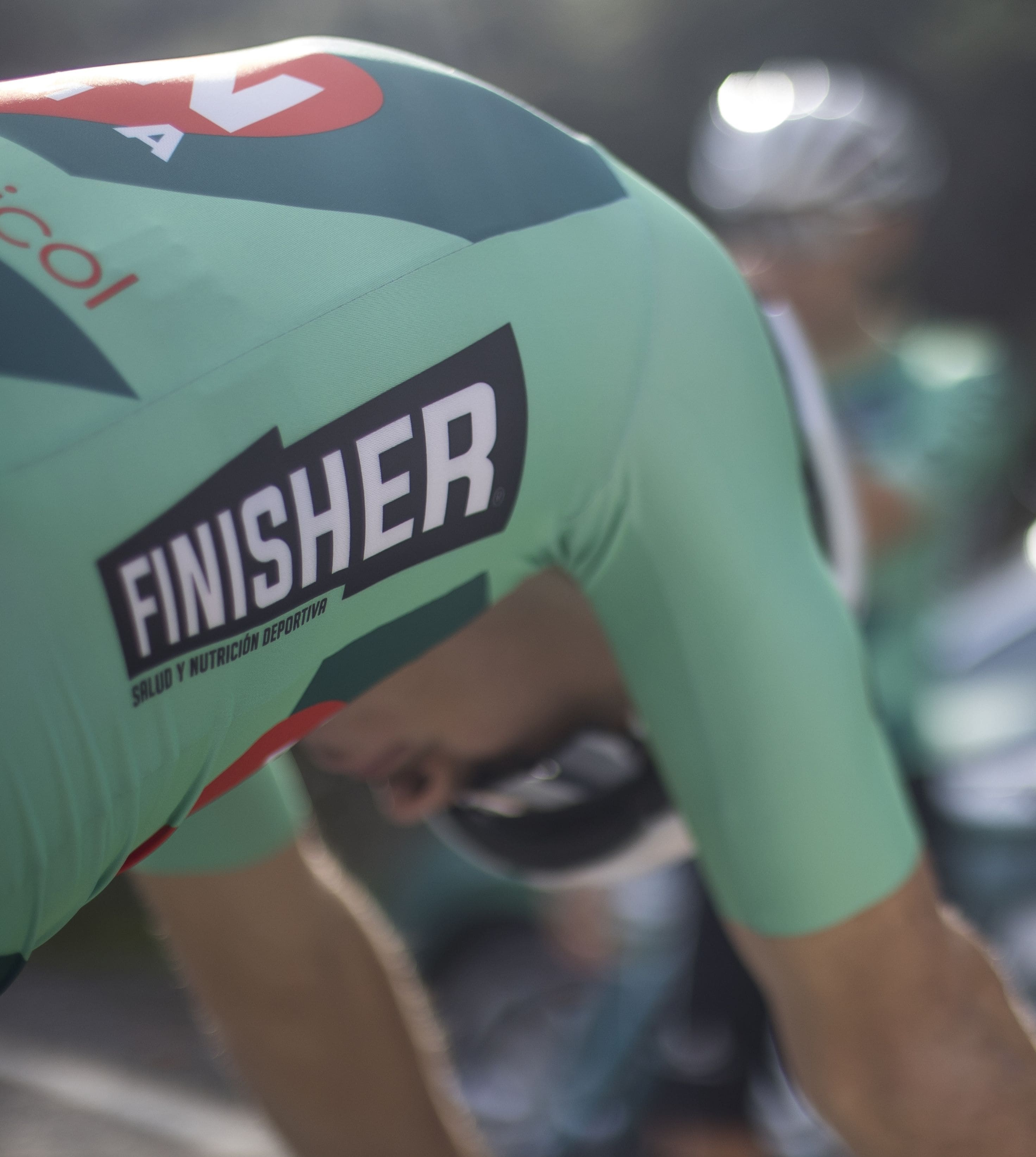
“We grew a lot, but always kept our feet on the ground. We maintained an under-23 team, Finisher, because our main goal is the development pipeline. In 2025 we were the professional team with the most riders coming from its feeder squad: seventeen. And one thing is clear to us: development and winning are not incompatible.”

THE NEXT FIFTY YEARS

Paco Rodrigo and María Jesús Uranga founded Etxeondo in 1976. With the company now approaching the half-century mark, their children have already spent several years in positions of responsibility: Patxi, 36, is the managing director,  and Amaia, 43, the head of design and product development.

Amaia grew up watching her mother draw. She was fascinated by the way María Jesús played with colours. From an early age, in fact, she was interested in conventional art and other forms of visual expression. She was a keen classical ballet dancer until she was eighteen and then moved to Madrid to study Design and Fashion. She had planned to go to London to discover the fashion scene there…

“…but my mother told me: ‘If you want to go to London, that’s fine — but first you get a job and pay for it yourself.’”

In the summer of 2005, at twenty-two and fresh out of university, Amaia began working at Etxeondo with her mother and with Soledad Jiménez.

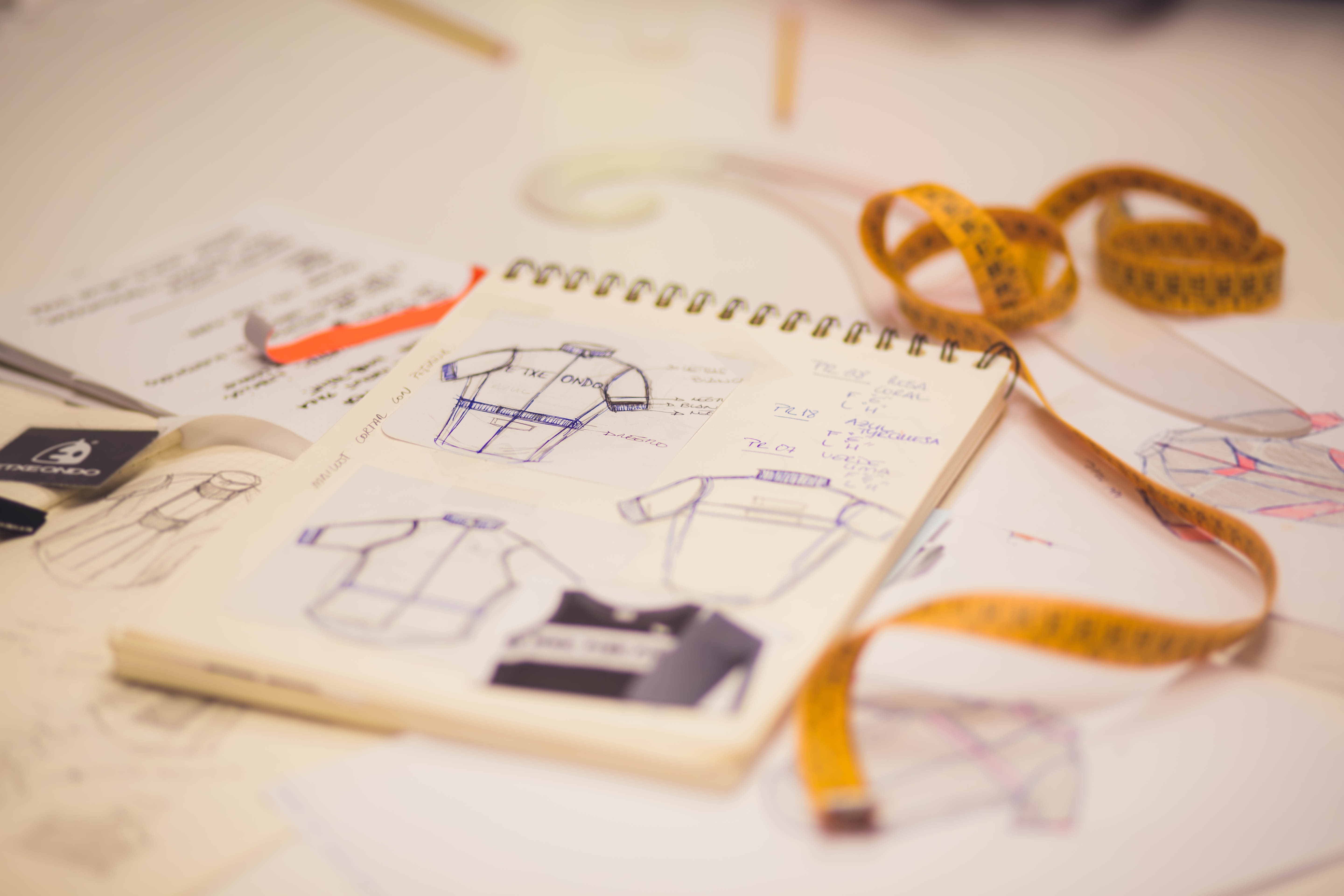
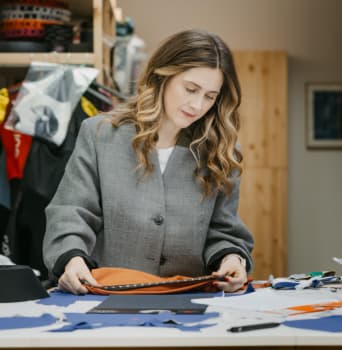
“My mother knew a great deal about graphic design, Sole knew a great deal about garment construction, and between them they brought about an important shift at Etxeondo: they moved from producing individual kits to designing full collections. There were other women in the company who were experts in sewing and pattern-making, and I realised that I had creative ideas but lacked the technical side. Etxeondo gave me a wonderful opportunity to continue learning. I studied pattern-making in depth, because it’s essential. And I worked very well with my mother — she was always learning. The two of us progressed together, technically and creatively…”

While studying, Amaia had no intention of working in the family company. But having dipped her toe in the water, she took the plunge. 

“I realised that cycling also had room for fashion — that there was space to be creative, to bring in different ideas… And I learned an enormous amount on the technical side. Here it’s not enough to design a beautiful garment: it also has to be a jacket that keeps you warm and comfortable for four or five hours of winter riding, or a jersey that breathes well and is aerodynamic, or a waterproof piece… The evolution has been incredible. In the past wool was practically all they used; now we have an immense range of yarns and fibres with different properties. The way fabrics are woven and how the Lycra fits the body has changed completely.”

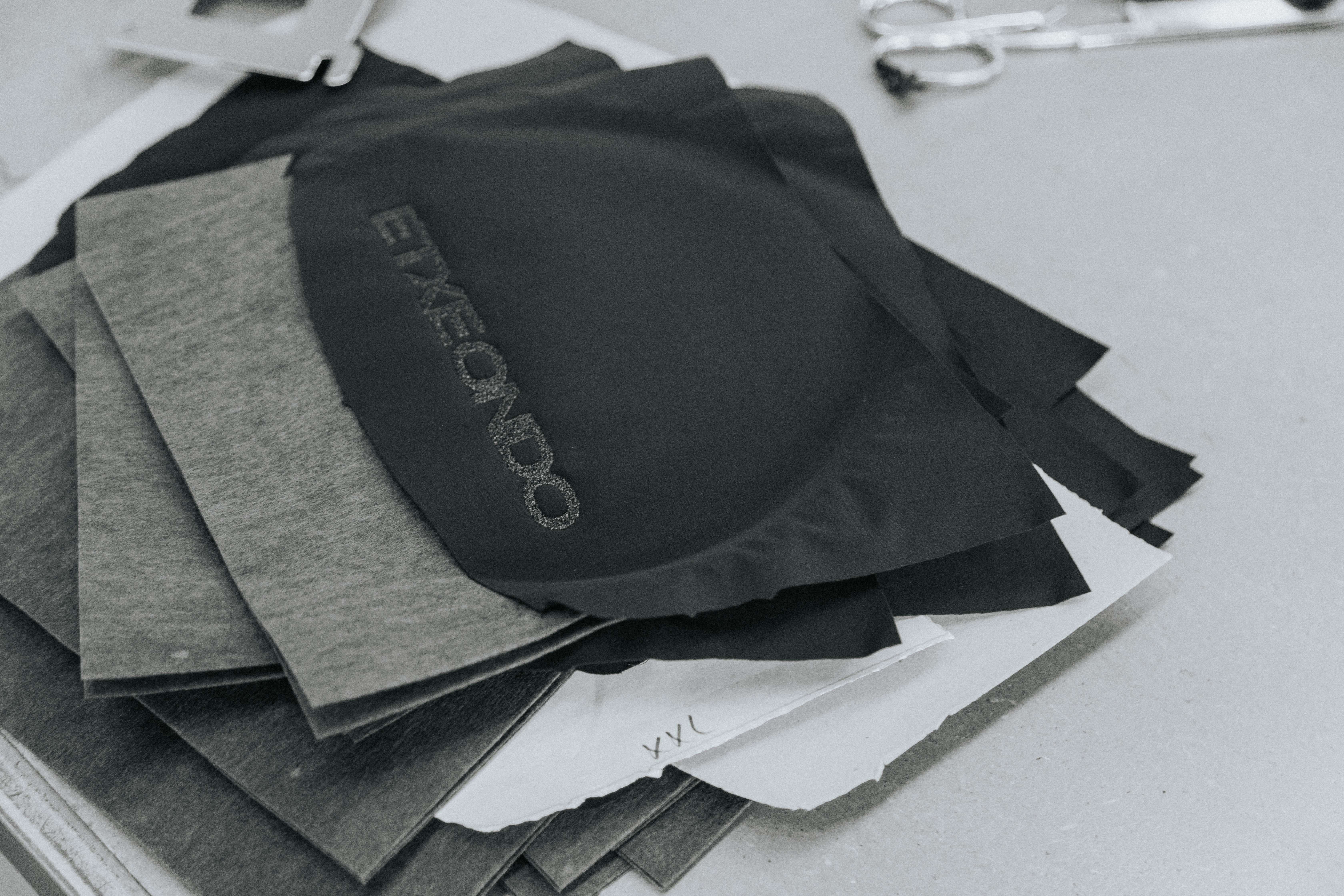
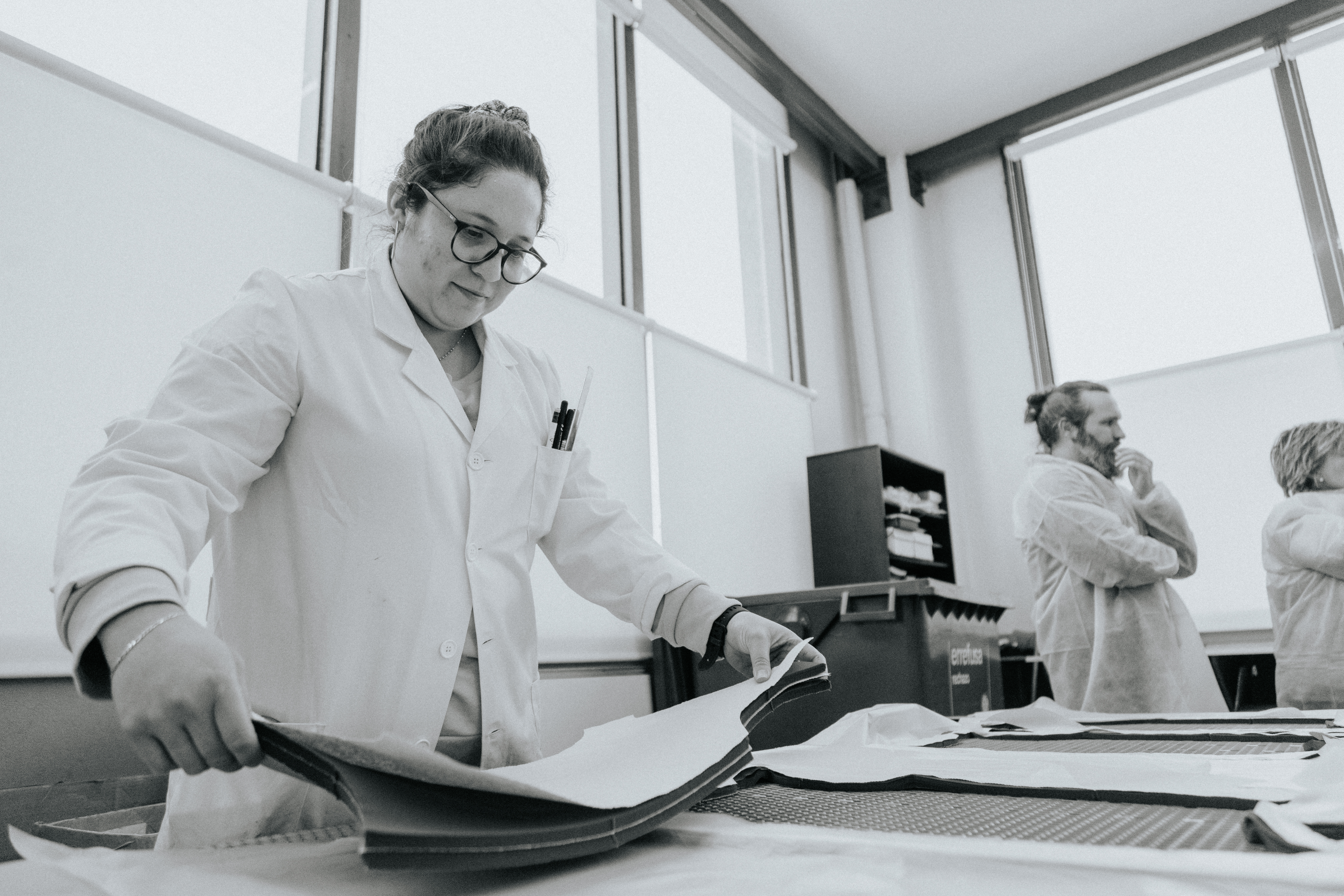
In 2006, shortly after Amaia joined the company, Etxeondo digitised the production of its garments. Instead of marking and cutting them by hand, they began using a computer-controlled cutting machine.

“We had to raise our game. I’ve always liked developing — I always want to be the best designer and the person who understands cycling pattern-making better than anyone else. When I finish a collection, Haimar Zubeldia comes to try on the clothing and I see how beautifully it fits him… wow, that’s what gives me the most satisfaction. Or when someone I don’t know — whether it’s a professional rider or an ordinary customer — tells me: ‘This is the best pair of bib shorts I’ve ever worn.’ That’s my biggest reward.”

Patxi Rodrigo also started very young at Etxeondo.

“Amaia and I grew up with incredibly hardworking parents who built a company from nothing and devoted their lives to it — that’s what we’ve always known. There was hardly any separation between home and Etxeondo; we grew up here. When I was seven I used to come with my dad to put vinyl decals on things. I loved poking around the factory, soaking everything up… When I was eighteen or nineteen I started working here in the summer with a friend to earn a bit of pocket money, putting kit into bags or whatever needed doing.”

“When I was younger I helped out now and again too,” Amaia says. “I remember one time I came to tidy up some embroidery and do some printing late at night because everything had to be prepared urgently for a big sportive ride. I had a great time.”

Patxi studied Business and Marketing. He also raced bikes up to amateur level. For him, working at Etxeondo was a natural step. 

“Like Amaia, I felt that I could contribute something. I began doing things that hadn’t really been done before — the collection catalogues, for example. I also prepared press releases and phoned newspapers… The people working in the company taught us a lot in every area. I spent periods with them in the warehouse, then helped Amaia with marketing, and gradually became more involved in the commercial side of things…”

Patxi was initially in charge of sales in the Basque Country, then across Spain, and before long he began looking further afield.

“I realised we had a lot of work to do internationally. I caught the bug and started travelling around Europe to understand the market in each country and see how Etxeondo might enter it…”

Amaia specialised in design and Patxi in sales, but for years they have worked side by side on product development.

“We both have a certain commercial intuition,” says Amaia, “because when we were young we travelled with our father to international trade fairs. And we both have design instincts too — I focused on fashion, and Patxi is very creative and contributes to the collections.”

“I know the market and what customers are looking for,” Patxi explains. “I see that we need certain kinds of products, with a price range that starts here and ends there…”

“…and I know the materials our suppliers offer, the aesthetic trends, I keep an eye on what’s happening in other countries… and I give everything I’ve got to build a well-structured collection.”

“In the past we produced extremely large collections, with lots of different bib shorts, jerseys and jackets… We wanted to offer as many options as possible. But the garments overlapped. This was something Paul Santen, the Dutch expert who advises us, helped us correct. He told us we were like restaurants putting forty dishes on the menu just in case. And he taught us how to structure the collections. You don’t need thirty-five types of jacket — three or four, arranged in a clear scale of quality and price, are enough. That made things clearer for the public and more efficient for us. As you can see, we never stop learning.”

“The key to our work,” says Amaia, “is finding a happy medium between two apparently competing forces: what the customers currently want and what we think is the direction of travel.”

With an expansive commercial strategy, partnerships with elite foreign teams, the boom in cycling participation in many countries and the growth of online sales, Etxeondo internationalised quickly. Paco Rodrigo, the company’s founder, worried that along this path of expansion the features that had been Etxeondo’s strength — its solid heritage, identity and commitment to quality — might be neglected.

“That’s why,” Amaia explains, “the profits from that expansion were reinvested in the factory: updating the machinery so we could keep producing and checking the product ourselves, improving the sewing workshops, expanding the warehouses… The goal has always been maximum quality.”

In recent years many new cycling apparel brands have emerged, cashing in on the sport’s growing popularity. Amaia recognises that many of them have been rewarded for their outstanding marketing: they have effectively positioned and sold themselves, projecting an image of exclusivity, elegance and prestige, despite their limited manufacturing experience and products that don’t always live up to the grandiose sales pitch.

“Looking ahead, I worry that marketing might become more important than product quality. But then I see that some of those brands quickly lose their position, because others appear serving up the same stories — in the end they’re marketing wars. I like to think that those of us who offer knowledge and quality are more stable. After all, we’ve been here for half a century.”

As Etxeondo approaches a generational transition, Patxi and Amaia are clear about the challenges ahead.

“We want to keep growing in other countries,” says Patxi, “but always in a sustainable way, maintaining control of our capacity to produce good kit. We have to grow without betraying who we are.”

“I love the idea that our clothing reaches other countries,” Amaia says, “but not just for the sake of expanding or for the numbers. What excites me is convincing new audiences of our quality. Yes, we have to present ourselves well and tell our story — but what we sell is the real thing. What matters most to us is that the rider feels comfortable: warm, cool, protected — whatever they need at every moment. Etxeondo’s obsession is satisfying the cyclist.”


¿TE HA GUSTADO?

Suscríbete para no perderte ninguno de nuestros artículos aquí

TAMBIÉN TE PUEDE INTERESAR

Guía de cómo vestir este Otoño-Invierno 24/25 L’évolution continue: la collection Printemps/Été 2026
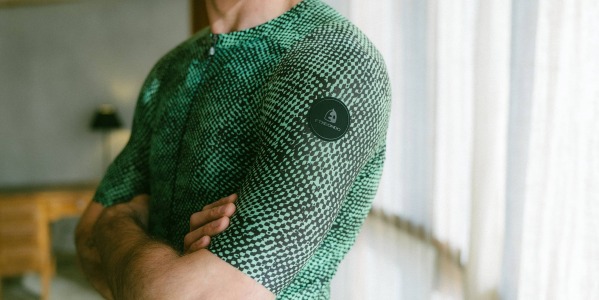
Nouveaux vêtements, améliorations techniques et une vision renouvelée l’année où Etxeondo célèbre son 50e anniversaire

En savoir plus
Guía de cómo vestir este Otoño-Invierno 24/25 MAILLOT TRAMA : UN DESIGN QUI A DE L'ÂME, NÉ À LA MAISON

Inspiré d'une impression faite à la main il y a plus de 40 ans

En savoir plus
Guía de cómo vestir este Otoño-Invierno 24/25 L'évolution de l'excellence: la nouvelle collection printemps/été d'Etxeondo

Chaque nouvelle collection d'Etxeondo est le résultat d'un processus méticuleux où tradition et innovation convergent en parfaite harmonie.

En savoir plus
Guía de cómo vestir este Otoño-Invierno 24/25 Alde Metalic, design et performance réunis dans un maillot.
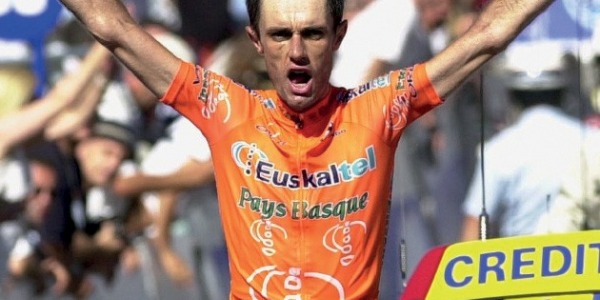
Chaque ligne, chaque courbe, se fond harmonieusement dans le paysage urbain, devenant une partie intégrante de l'environnement que la technologie et le design ont contribué à redéfinir.

En savoir plus
VOLVER A LA MAGAZINE
Ajouté au comparateur
Aucun autre produit ne peut être comparé.