
Ihr Warenkorb
Es befinden sich keine Artikel mehr in Ihrem Warenkorb


¿TE HA GUSTADO?
Suscríbete para no perderte ninguno de nuestros artículos aquí

Suscríbete para no perderte ninguno de nuestros artículos aquí
 ROOTS AT HOME, BRANCHES OPEN TO THE WORLD
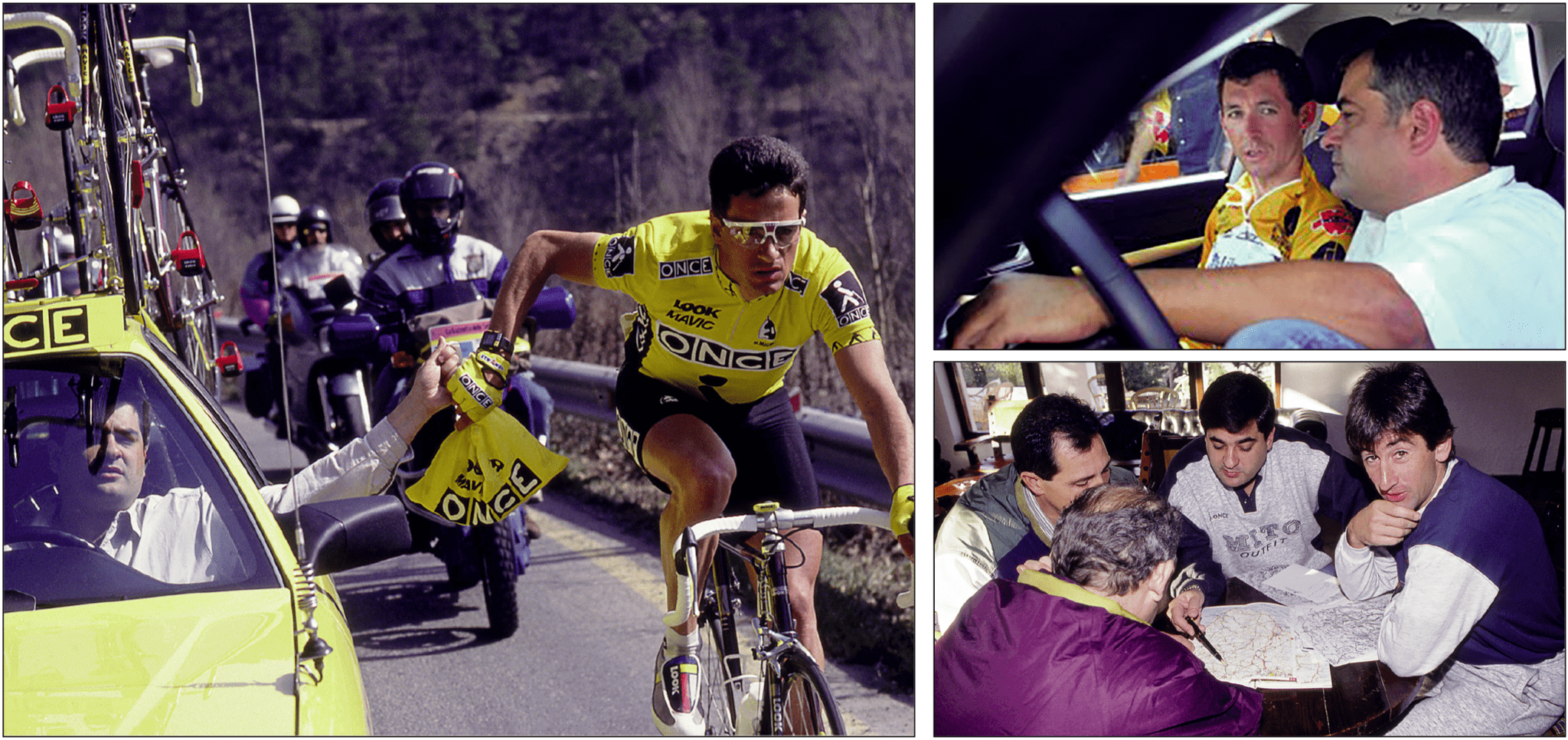
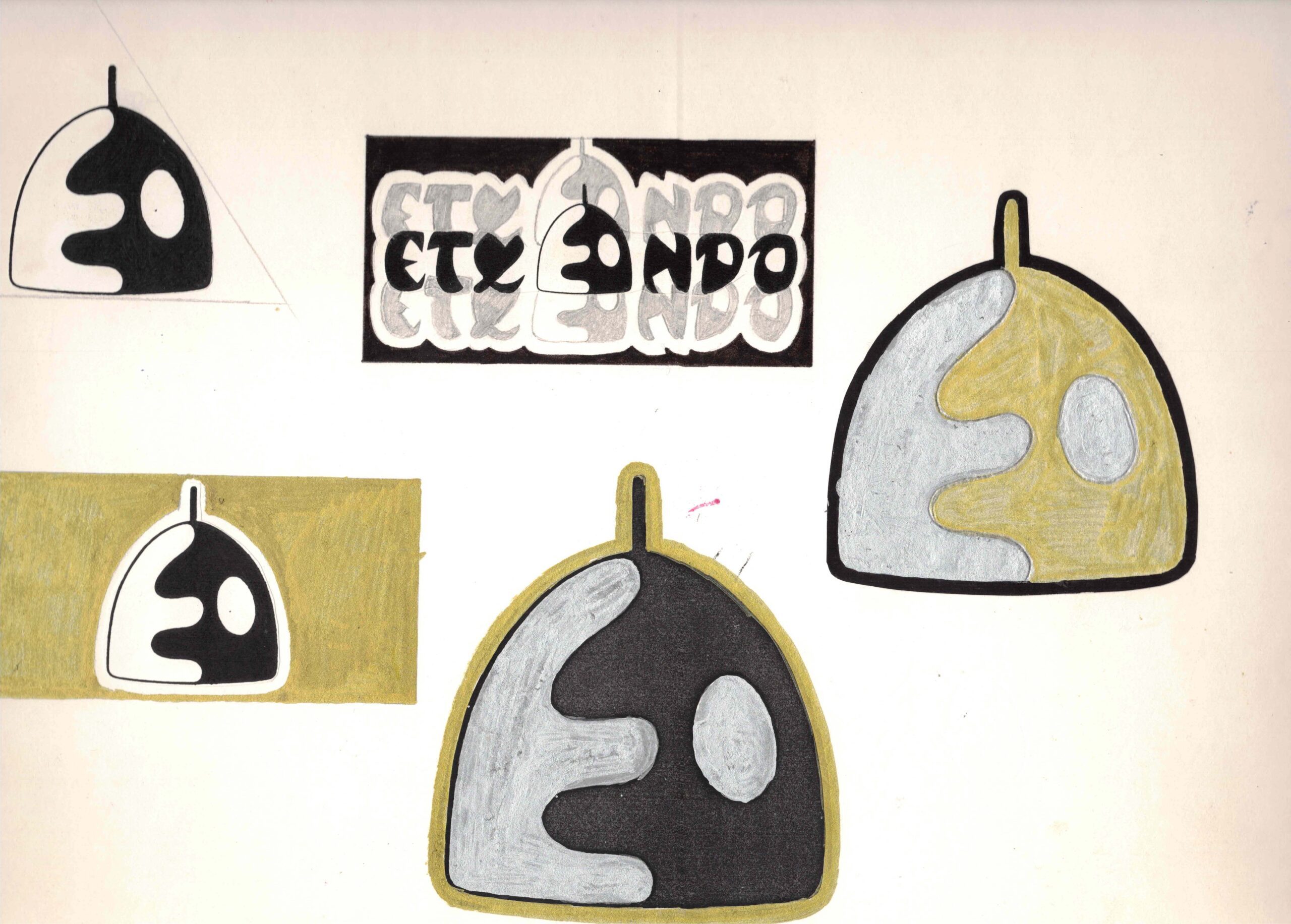
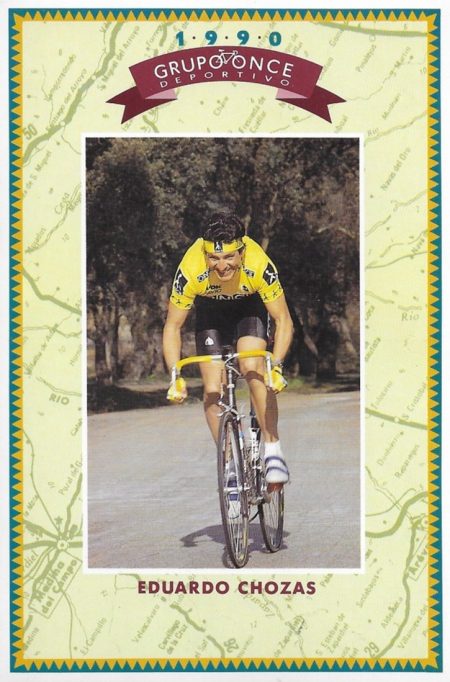
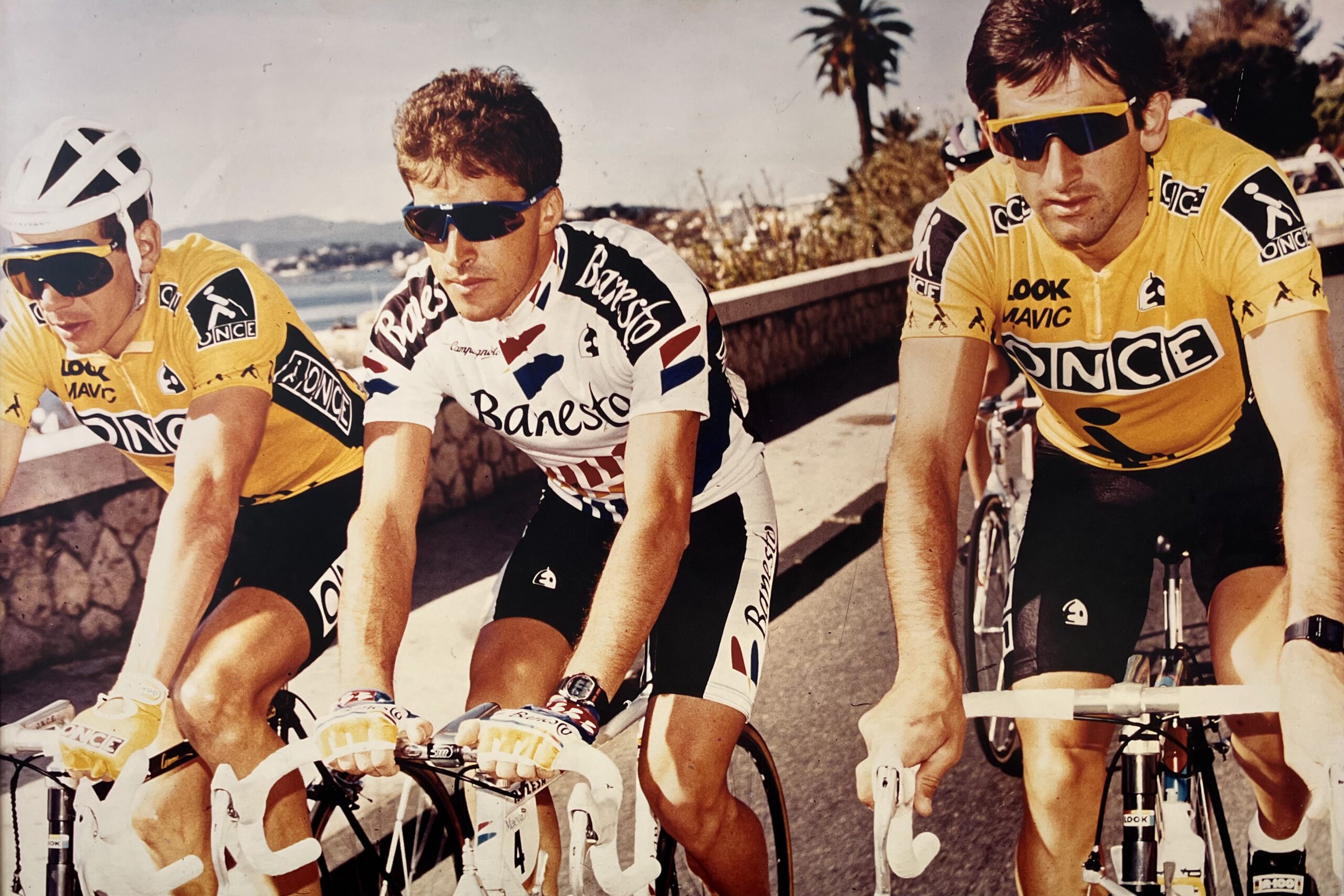
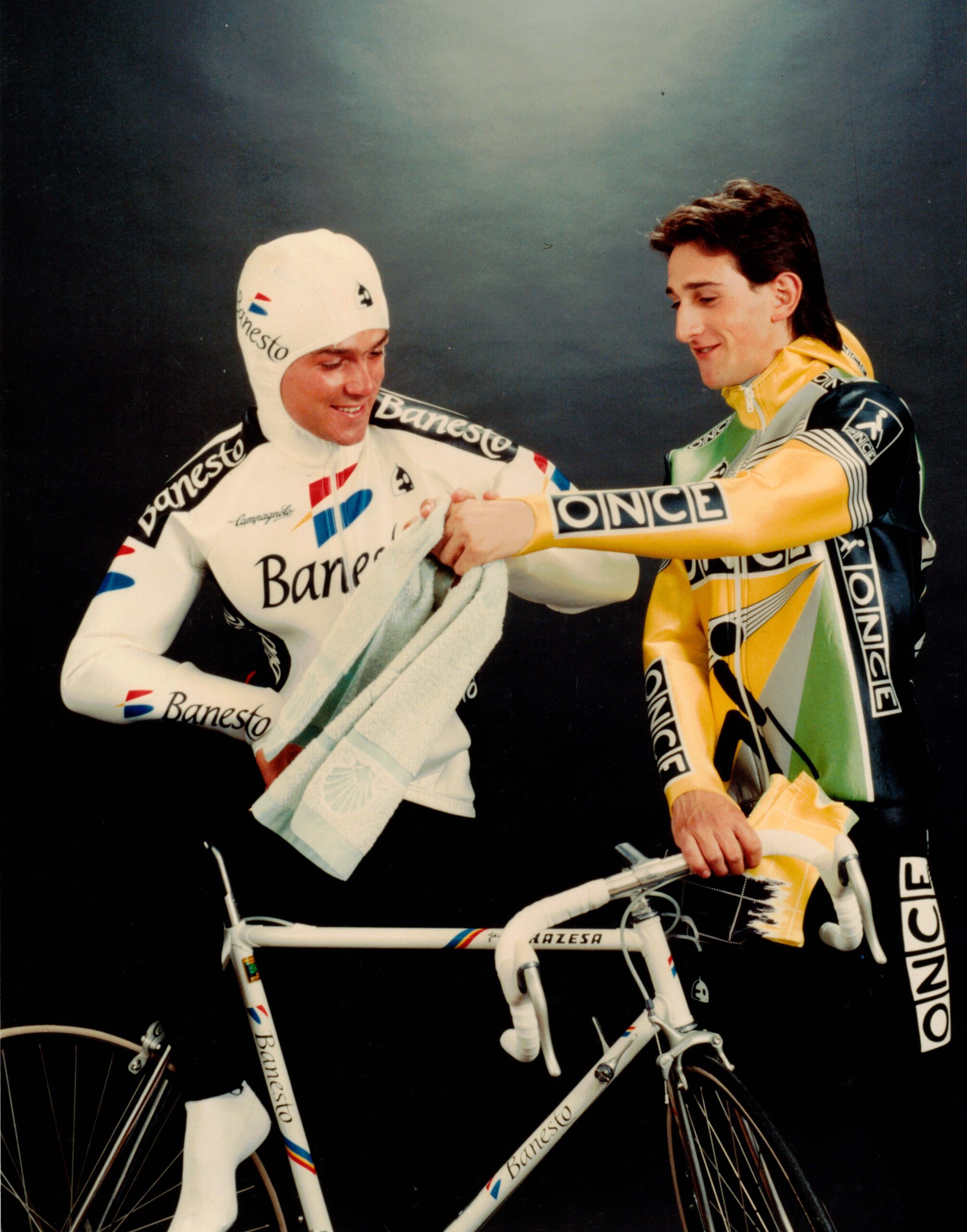
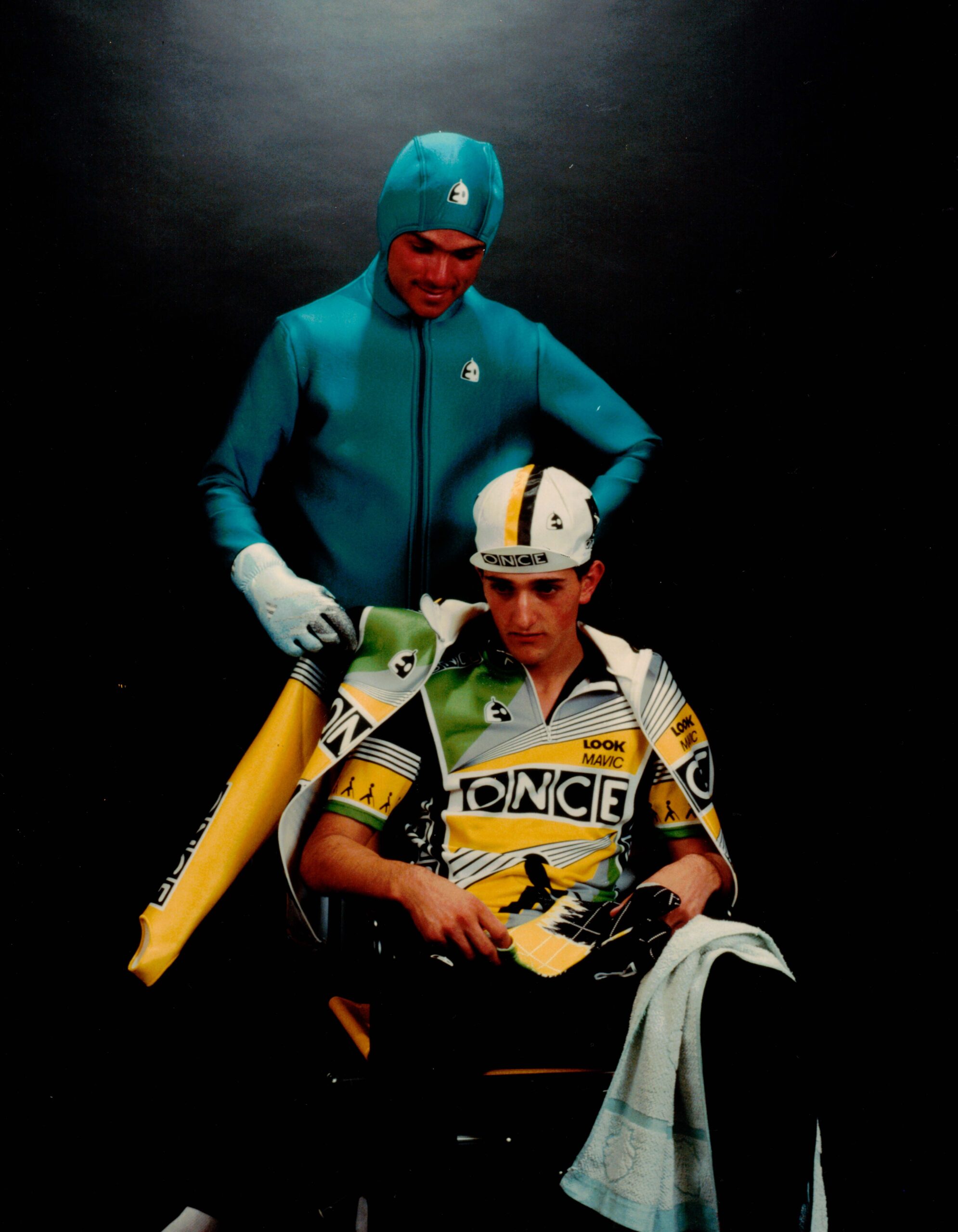
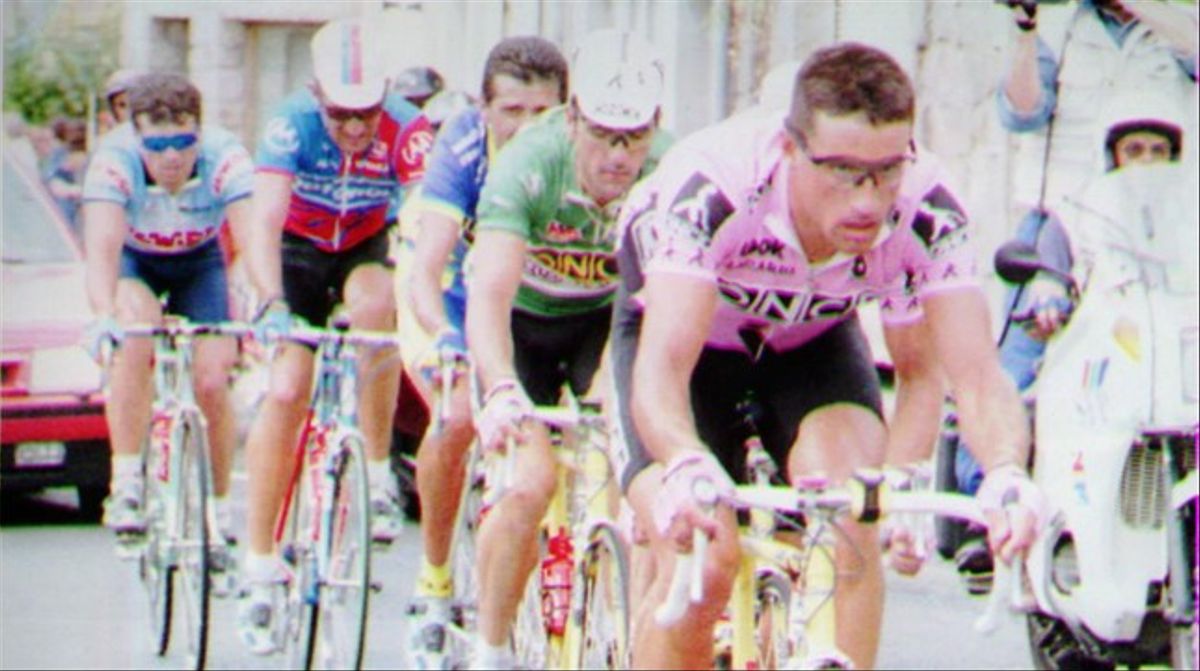
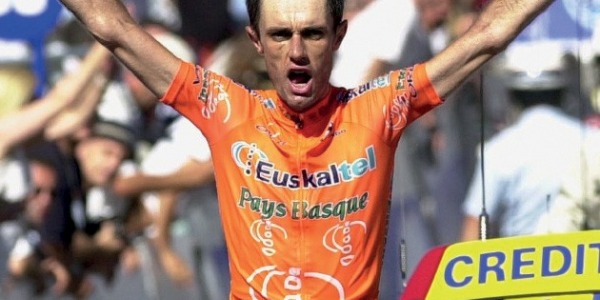
While expanding internationally, Etxeondo also took care to maintain and nourish its deep roots in its home region, supporting the growth of teams such as Kern Pharma and the new Euskaltel-Euskadi. In 2026 the company celebrates its fiftieth anniversary while ushering in a new phase in the company’s history and renewing its commitment to sustainable growth, a strong historical identity and the enduring quality of its cycling kit.
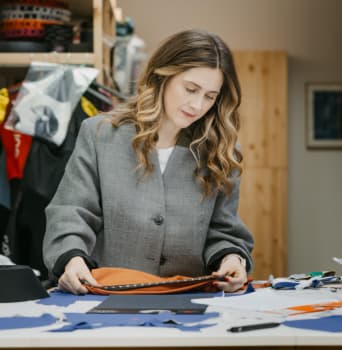 The Evolution of Excellence: Etxeondo’s New Spring/Summer Collection
Every new Etxeondo collection is the result of a meticulous process, where tradition and innovation converge in perfect harmony.
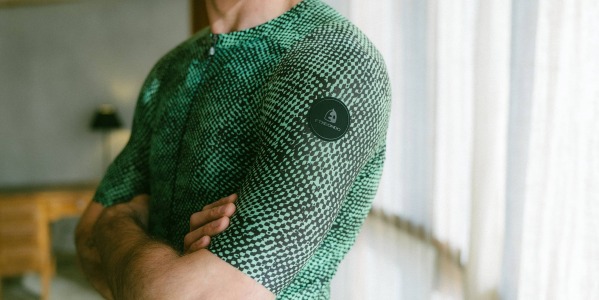
 Alde Metalic, Design und Leistung vereint in einem Trikot.
Jede Linie, jede Kurve, fügt sich nahtlos in die städtische Landschaft ein und wird zu einem integralen Bestandteil der Umgebung, die durch Technologie und Design neu definiert wurde.



Comments (0)